
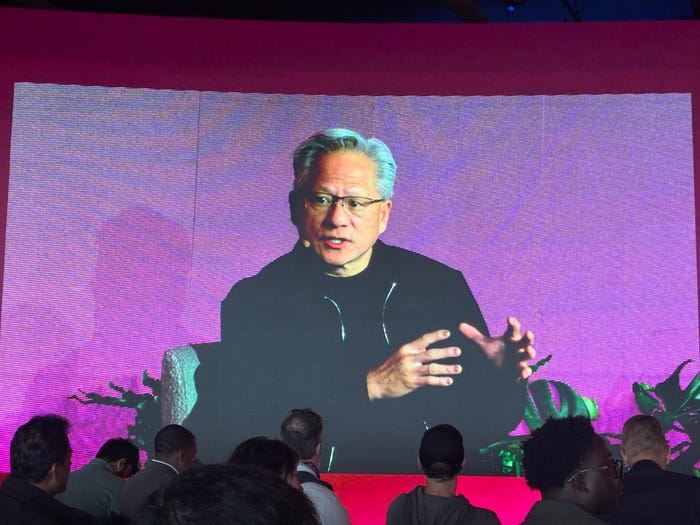
Jensen Huang, CEO of Nvidia, is at the center of controversy due to an extramarital affair and allegations linked to Chinese espionage. Huang’s personal issues surfaced amid concerns of foreign intelligence engagement in his personal life.
Nvidia’s board is investigating the situation to determine if corporate secrets were compromised. U.S. intelligence suspects Alice Huang, an executive at Megaspeed and involved with Jensen Huang, may be a Chinese spy. While this possibility is serious, it remains unproven, and past intelligence errors serve as a cautionary tale.
Amid the scandal, questions arise regarding the AI industry. Wall Street’s reaction suggests that Huang’s personal saga will not derail the AI boom. Nvidia has maintained its key role in AI development despite the allegations, with the board confident that no company secrets were leaked.
The demand for AI products like ChatGPT and coding software continues unabated. Businesses across various sectors persist in integrating AI to enhance productivity and efficiency.
Western corporations might reconsider using Chinese AI models, benefiting U.S. AI companies like OpenAI. This trend reinforces the growing appetite for AI technologies globally.
Brian Colello, a Morningstar analyst, highlighted the enduring potential for AI infrastructure investments, unaffected by personal controversies. Nvidia anticipates AI infrastructure spending in the range of $3 trillion to $4 trillion by 2030.
The critical question concerns Nvidia’s future in AI chip supply under Huang’s leadership. Nvidia’s influential position in this market, built largely by Huang, remains vital. Concerns about his potential departure could influence Nvidia’s strategic direction and financial relationships.
Despite a 4% slip in Nvidia’s stock, rival AMD’s 13% increase demonstrates ongoing robustness in AI demand. Meanwhile, scrutiny of Megaspeed’s data operations adds another dimension, potentially affecting Nvidia’s dealings in China.
If Nvidia faces barriers in selling to China, U.S. companies like Amazon and Google might benefit from increased access to Nvidia products, although it could also mean potential price adjustments.
Huang, advocating for fewer restrictions on chip sales to China, has faced limited legislative success. Some suspect this advocacy could be influenced by Alice Huang, but this was part of his longstanding strategy.
If the scandal dissipates without significant disruption, Huang may continue steering Nvidia effectively. Morningstar’s Colello remains positive about Nvidia’s market position, noting Huang’s support from the board and President Trump’s backing.
The AI industry’s trajectory heavily depends on sustained technological utility and the ability to meet growing infrastructure needs.