
Concerns Raised by New Study
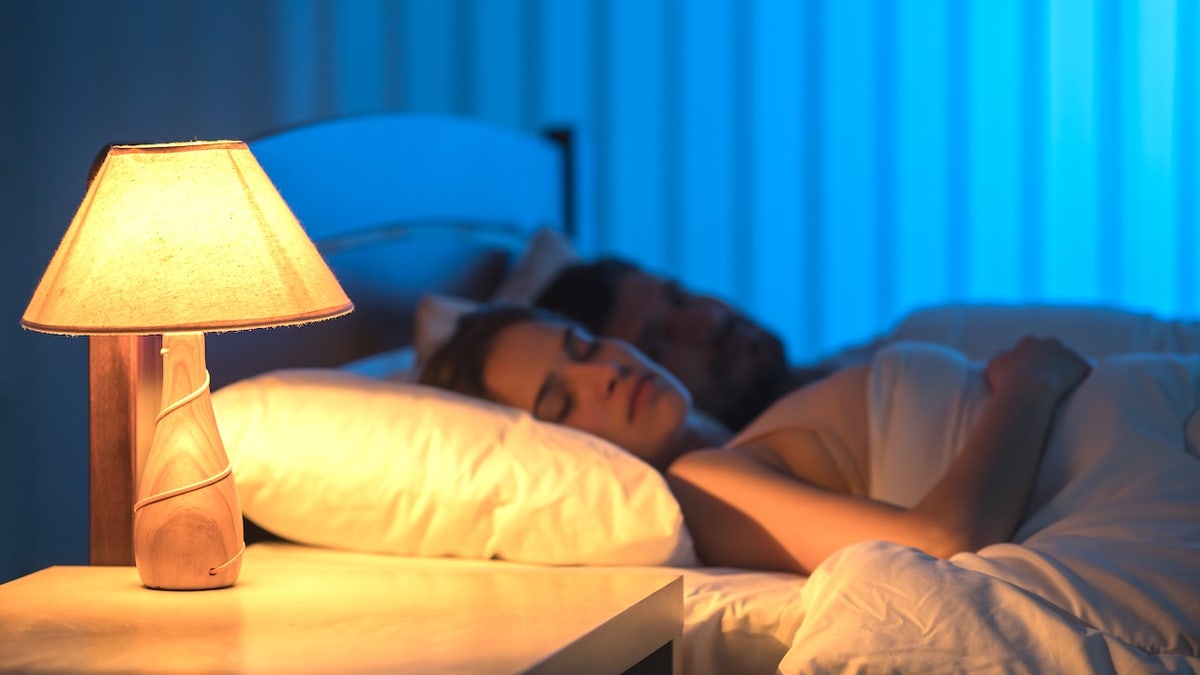
A recent Tulane University study highlights the potential dangers of sleeping with a light on. Exposure to nighttime light increases the risk of cardiovascular diseases, including heart failure, atrial fibrillation, heart attack, stroke, and related deaths. Researchers pinpointed that exposure to more than 3 lux of light can be harmful.
Influence of Circadian Rhythm
Chelsie Rohrscheib, Ph.D., explains sleep’s partial control by the circadian rhythm, an internal clock in the brain regulating sleep cycles. Light exposure impacts melatonin production, a hormone crucial for sleep timing. Excessive light can diminish melatonin levels, affecting sleep quality. This disruption has broader health implications, including cognitive and immune system functions, memory consolidation, and metabolic activity.(iStock)
Health Complications from Poor Sleep
Consistent exposure to light affects sleep quality negatively. Poor sleep elevates risks for conditions like hypertension, cardiovascular disease, stroke, type 2 diabetes, obesity, neurodegenerative diseases, certain cancers, and mood disorders.
Studies, including one by Northwestern Medicine, demonstrate that even a single night of moderate light exposure (100 lux) disrupts sugar regulation, increases heart rate, and decreases heart rate variability.
Certain Groups More Affected
People with insomnia or existing sleep disruptions, along with shift workers, children, older adults, and individuals with mood disorders, are more sensitive to light’s effects on sleep depth.
Older adults experience weak melatonin suppression from light yet face prevalent sleep disturbances potentially impacting the circadian system.
Impact of Different Lights
According to Alex Dimitriu, M.D., blue wavelength lights from TVs and phones are most disruptive, owing to their effect on retinal sensitivity and melatonin suppression. In contrast, dim, warm, red-toned night lights minimize circadian impact.
Ashley Curtis, PhD, confirms dimmer lights with longer wavelengths allow the body to recover from initial light impacts, reducing sleep disruption.
Improving Sleep Environment
Experts advise practical adjustments to establish a healthier sleep environment:
- Reduce use of overhead lights one to two hours before bed.
- Position night lights close to floor level.
- Choose bulbs with dim, warm, long wavelengths such as orange, amber, or red.
- Cease screen usage an hour before bed to reduce brain stimulation.
- Use layered curtains to block street lights.
- Consider wearing a face mask to minimize light exposure during sleep.
Melissa Rudy is the senior health editor at Fox News Digital.