
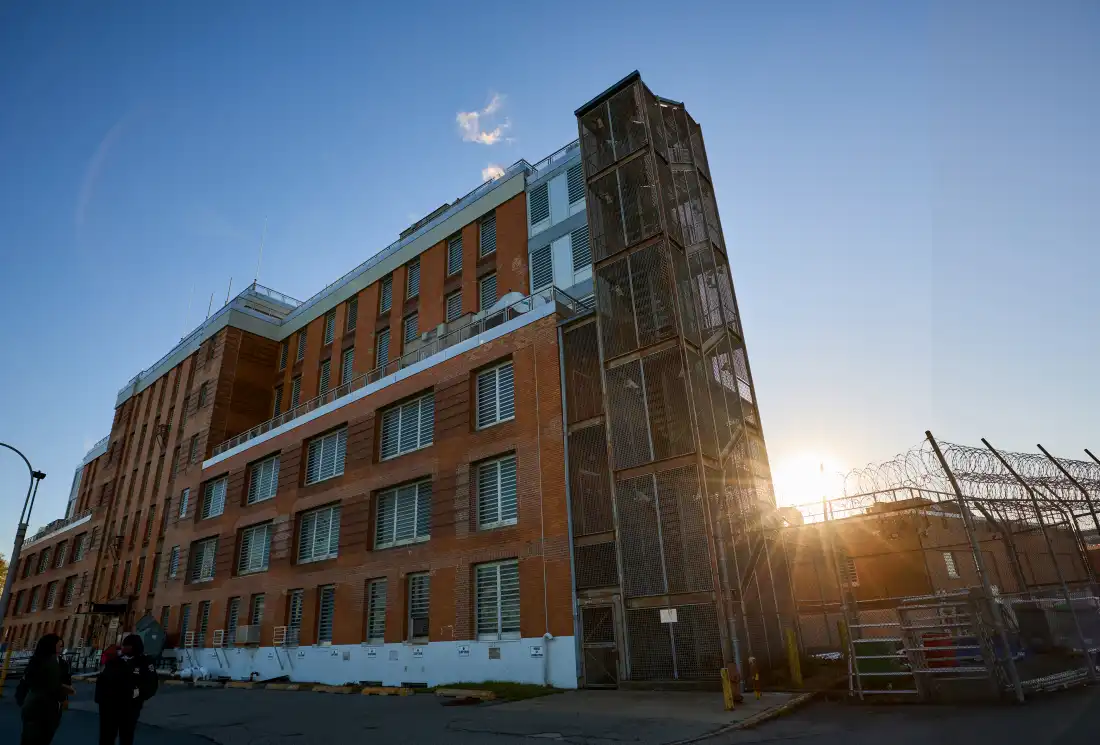
New York City officials have announced a detailed plan to shut down the Rikers Island jail complex and move to smaller facilities within the boroughs. Mayor Zohran Mamdani, who closed the North Infirmary Command building on Rikers earlier this year, terms the jail complex a ‘moral stain’ on the city. He emphasized the need for new approaches to public safety.
Rikers, located on a former garbage dump in the East River, has long been criticized for poor conditions and crumbling infrastructure. There have been multiple lawsuits alleging excessive force and abuse by guards. A federal judge described the violence at Rikers as presenting an ‘unconstitutional danger.’ Over 50 deaths have occurred in the custody of the New York City Department of Correction since 2022, with most taking place at Rikers.
Ambitious Reforms and Challenges
City officials aim to transform how crime prevention and safety are addressed. They announced a plan to close Rikers and build four smaller new jails in Brooklyn, Manhattan, Queens, and the Bronx. These new facilities will be closer to courts and public transit, facilitating visits by families, lawyers, and service providers.
Progress on closing Rikers has been slow since the city council approved the closure plan in 2019. The 2027 deadline will not be met, but Mayor Mamdani remains optimistic. He has appointed a ‘Close Rikers Czar’ and Stanley Richards as the new commissioner of the Department of Corrections, the first formerly incarcerated person to lead the department. Several initiatives such as housing programs for released inmates with medical needs and a therapeutic housing unit in a public hospital are also underway.
Learning from International Examples
In 2023, oversight of Rikers was assigned to a remediation manager who released a plan to bring the jail system into compliance with legal standards. This plan drew inspiration from European systems that prioritize human dignity in incarceration. Nicholas Deml, the remediation manager, along with Commissioner Richards, visited German prisons, known for their humane conditions, as part of their research.
Multiple stakeholders, from a judge to city officials, have been involved in these observations, discerning differences like quieter facilities, cells with windows, and systems that allow inmates easier communication.
Future Plans and Investments
The future jails, scheduled for completion in 2029, will have better access to natural light and fresh air, and more space for various programs. The capacity will be around 2,000 fewer than the current occupancy of Rikers. The city’s plan includes over $250 million in efforts to reduce the jail population, with programs like diversion initiatives and electronic monitoring being expanded.
An average stay in the New York City DOC has risen over recent years. Most Rikers inmates are awaiting trial, and many cases take too long, according to national standards. A task force is being set up to speed up court cases, but its effects are subject to the actions of independent entities like judges and district attorneys.
Concerns and Contingency Plans
Some with knowledge of Rikers express concerns about managing jail population if targets are not met. Lessons from cities like New Orleans show significant jail population reductions are feasible. The city has plans, but experts want contingency plans, including potential expansion on Rikers, if necessary. Elizabeth Glazer of Vital City emphasizes the need for relentless focus and coordination. Despite challenges, the new plan is seen as an opportunity to move forward.
Addressing Systemic Problems
Merely new buildings will not resolve systemic issues at Rikers. The federal government has documented a ‘culture of violence’ there. Recent lawsuits involve allegations of severe misconduct by staff. City’s plans include increased staff training and oversight, but the culture’s transformation will require time. Commissioner Richards aims for dignity-centered reforms, learning from exemplary systems like Germany. Immediate priorities include security and safety, but the overarching goal is to prevent past failures from persisting in future facilities.