
New Sites Designated as World Heritage
On Sunday, the World Heritage List welcomed new sites, including D-Day landing beaches in northern France and Mount Olympus in Greece. The additions were announced during a UN committee meeting held in South Korea, dedicated to reviewing numerous nominations.
Normandy Landing Beaches
The French designation covers the five Normandy landing beaches: Omaha, Utah, Sword, Gold, and Juno. These sites, along with the Pointe du Hoc assault site, played pivotal roles in the campaign to liberate Western Europe from Nazi control during World War II. More than 150,000 Allied troops came ashore on June 6, 1944, marking a significant moment in history.
The International Council on Monuments and Sites (ICOMOS) highlighted the importance of preserving these locations due to potential threats posed by tourism, climate change, and nearby wind farm development.
Ahlem Gharbi, France’s permanent delegate to UNESCO, emphasized the significance of the Normandy landings as a symbol of peace and security during a time of international crises and conflicts.
Mount Olympus: Cultural and Natural Heritage
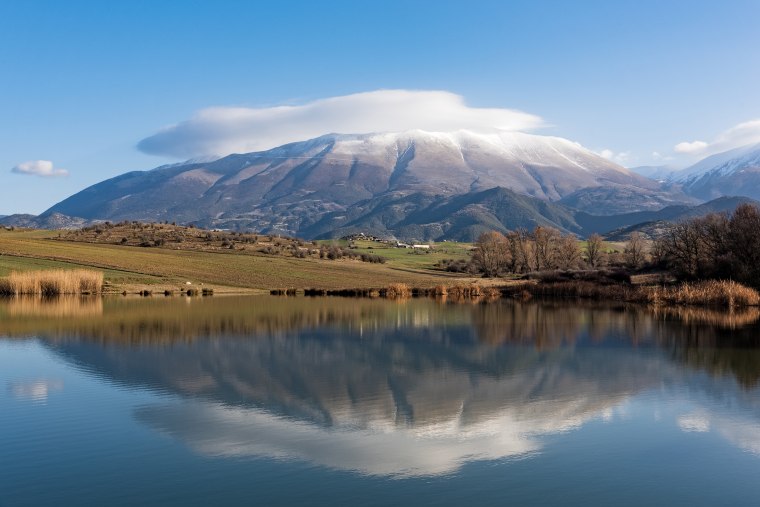
Mount Olympus, Greece’s highest mountain and mythical home of the 12 Olympian gods, has been added to the World Heritage List as a mixed cultural and natural site after a 12-year effort by Greece.
Evangelos Geroliolios, mayor of Dion-Olympus, expressed the responsibility to protect the mountain’s environment amidst increased tourism. Greek delegate Georgios Koumoutsakos reiterated Greece’s commitment to preserving Mount Olympus for future generations.
Ancient Japanese Capitals Recognized
The Japanese locations of Asuka and Fujiwara in Nara prefecture preserve 19 archaeological sites from the 6th to 8th centuries. These capitals marked Japan’s first centralized state influenced by Chinese systems, with remains of royal palaces and Buddhist temples.
Japanese Vice Culture Minister Shigeki Kobayashi thanked UNESCO for the recognition and affirmed Japan’s dedication to protecting these sites. Prime Minister Sanae Takaichi expressed hope for increased tourism.
South Sudan’s Boma-Badingilo Migratory Landscape
South Sudan’s Boma-Badingilo site features vast wetlands, flood plains, and savannas that support an estimated 6 million migratory mammals. The area is also a habitat for elephants, lions, and cheetahs, alongside ethnic communities engaged in herding, farming, and fishing.