
Over a decade has passed since The Hunting Ground documentary cast a spotlight on college campuses’ handling of sexual assault cases. Recently, a lawsuit involving a former Cornell University student has reignited this complex issue. The plaintiff accused seven fraternity members of assault in 2024, prompting discussions about Title IX and college administrators’ obligations.
Understanding Title IX
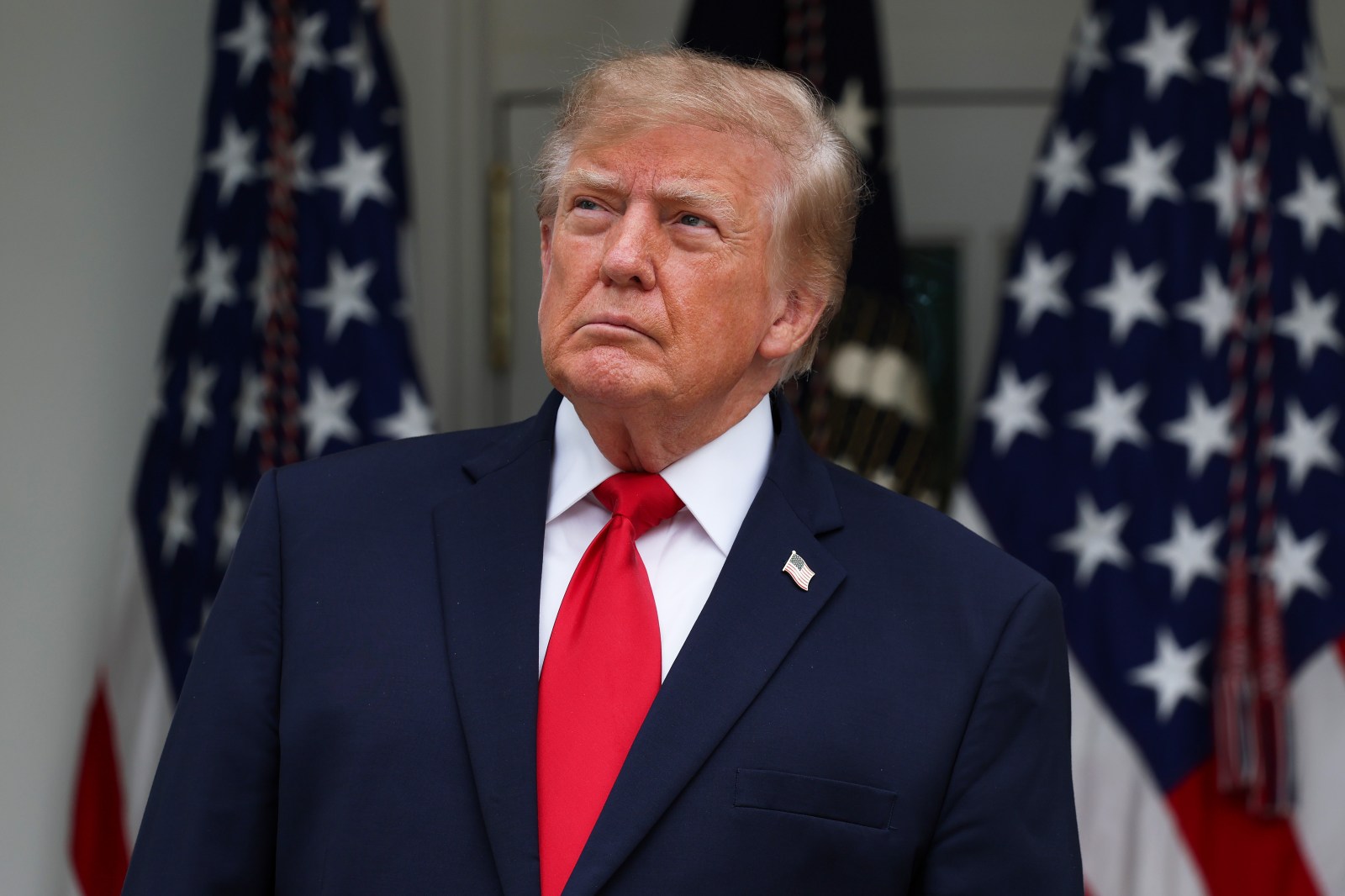
Title IX is a federal civil rights law designed to prevent sex discrimination in federally funded education. Changes to Title IX have occurred under various administrations. Under President Trump, major revisions were made, altering how colleges must respond to sexual harassment and assault.
During the Obama era, federal guidance influenced colleges’ responses to such cases. Trump’s administration implemented detailed regulations in 2020, changing requirements for schools handling formal complaints. The Biden administration later attempted further revisions, leading to litigation and eventual reversal to the 2020 framework.
“The restoration of the 2020 Title IX framework raises serious concerns,” said Caroline Welles, founder of The First Ask.
Title IX’s Role and Changes
The Trump administration altered the Title IX rules significantly. These regulations tightly define sexual harassment, including sexual assault, dating violence, and stalking, among other behaviors. Title IX obligations arise when officials with the knowledge of such acts are notified, requiring schools to act promptly without being “deliberately indifferent.”
Under these rules, misconduct occurring outside schools’ programs may not trigger Title IX obligations, a shift from the earlier standard of “what the school knew or should have known.” Reporting standards now demand “actual knowledge” rather than the broader criteria used previously.
Implications for Investigations
Under revised regulations, colleges must presume the accused student’s innocence during investigations, ensuring equal opportunity for both parties to present evidence. Institutions must hold live hearings where parties can directly question each other through advisers.
This process poses challenges for complainants wary of their testimony being used later, affecting their decision to come forward.
“Complainants must weigh whether that testimony could later be used to impeach them,” said Jasmine Mines, attorney and founder of Mines Law Firm.
Outside Title IX’s Sphere
Even when misconduct doesn’t meet Title IX criteria, institutions can still impose sanctions. However, allegations not occurring within institutional activities might face fewer protections.
Title IX coordinators must have actual knowledge of misconduct, shifting from earlier broader responsibilities. This can influence how reported incidents are resolved.
The Cornell case demonstrates the complex interaction between campus policies and legal ramifications. While university-sanctioned actions occurred, local authorities initially refrained from filing criminal charges. This raises concerns over accountability in both university and legal systems.
Navigating the Reporting Landscape
A study in the Journal of Public Health Policy examined the impact of Title IX changes on reporting, finding a slight decrease in reports after 2020 changes. Reporting trends across U.S. and Canadian schools provide a comparative perspective.
Office for Civil Rights Restructuring
The regulations are one part of the broader federal system. The Trump administration attempted to restructure the Education Department’s Office for Civil Rights (OCR). While reductions were proposed, litigation prevented significant cuts.
During the restructuring, OCR managed to resolve a substantial number of complaints, though many were dismissed. The Government Accountability Office (GAO) scrutinized the process, questioning its effectiveness in cost savings and service improvements.
Future Directions
Title IX continues to prohibit sex discrimination across educational institutions. The 2020 regulatory framework establishes detailed investigation protocols, including live hearings. However, the broader issue remains: do colleges and the legal system ensure accountability for sexual violence?
“Universities have become very good at designing processes to handle sexual assault allegations, but much less effective at ensuring those processes actually protect students,” Welles stated.
Campus safety must not be overshadowed by reputation and legal interests. It requires a balance of thorough investigation procedures and genuine accountability.