
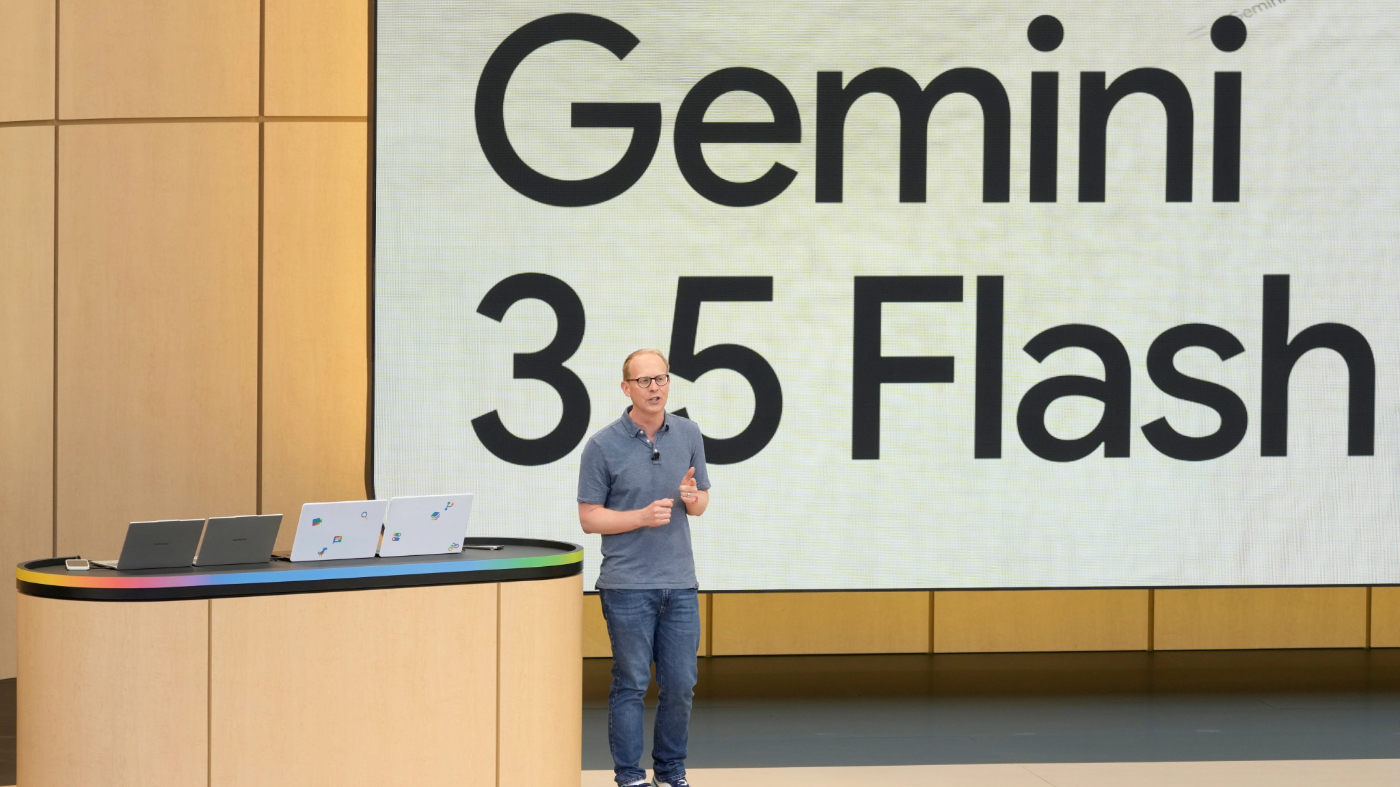
Josh Woodward, a leader at both Google Labs and Gemini, recently spoke at a Google I/O event, shedding light on concerns surrounding artificial intelligence. Discussions about AI have reignited fears about its potential threat to humanity’s future, reminiscent of doomsday scenarios depicted in films like The Terminator. Yet, AI is not the only existential threat we face.
Historically, society has grappled with challenges such as climate change, pandemics, and thermonuclear warfare. Each serves as a lesson in managing the risks posed by new technologies. Climate change has previously induced significant shifts in the global climate. Catastrophic events linked to climate, independent of AI, have threatened mankind before.
Massive pandemics are another grave concern. AI poses the risk of developing highly contagious and deadly diseases. Such scenarios, like the one envisioned in Frank Herbert’s 1982 novel The White Plague, where a bioengineered disease targeted women, highlight the potential for engineered pathogens.
Thermonuclear weapons present perhaps the closest historical parallel to the potential threat of AI. Robert Oppenheimer, creator of the atomic bomb, famously referenced the Bhagavad Gita to express his doubts about the ethics of such an invention. Thermonuclear weapons, capable of killing en masse, have been avoided through regulated oversight shared by military and civilian bodies. The creation of the Atomic Energy Commission in 1947 and its successor, the Nuclear Regulatory Commission in 1975, demonstrated a dual-use framework overseen by the Departments of Defense and Energy.
AI, like these previous technologies, requires a careful and structured approach to control its possible misuse. While climate change initiatives focus on reducing greenhouse gases, AI could simplify the creation of artificial pandemics and damage essential infrastructure such as power and water systems. These disruptions could endanger food supplies.
Though AI cannot currently construct nuclear weapons, individuals manipulating AI could threaten nuclear safety. Cyberattacks on AI infrastructure pose additional risks. Establishing an international regulatory body for AI control, similar to the nuclear model, has been proposed.
This agency could be empowered to issue guidelines and oversee the AI industry. Determining the extent of regulation is inherently political but drawing on successful models like the International Atomic Energy Agency offers a blueprint. Coordination among government departments would address national security threats.
Initiating negotiations akin to arms control could prove complex, given AI’s versatility and accessibility to individuals and not just nation-states. A robust federal framework may be necessary to manage AI’s possible existential threat. Strengthening leadership and foundations might deter AI-related disaster, much like the avoidance of nuclear war.
Harlan Ullman, a strategic thinker and author, underscores the importance of decisive strategy. His upcoming book, co-written with Field Marshal The Lord David Richards, Who Thinks Best Wins: How Decisive Strategic Thinking Will Prevent Global Chaos, explores these ideas further.
All rights reserved © 2026 Nexstar Media Inc. This material is for informational purposes only.