
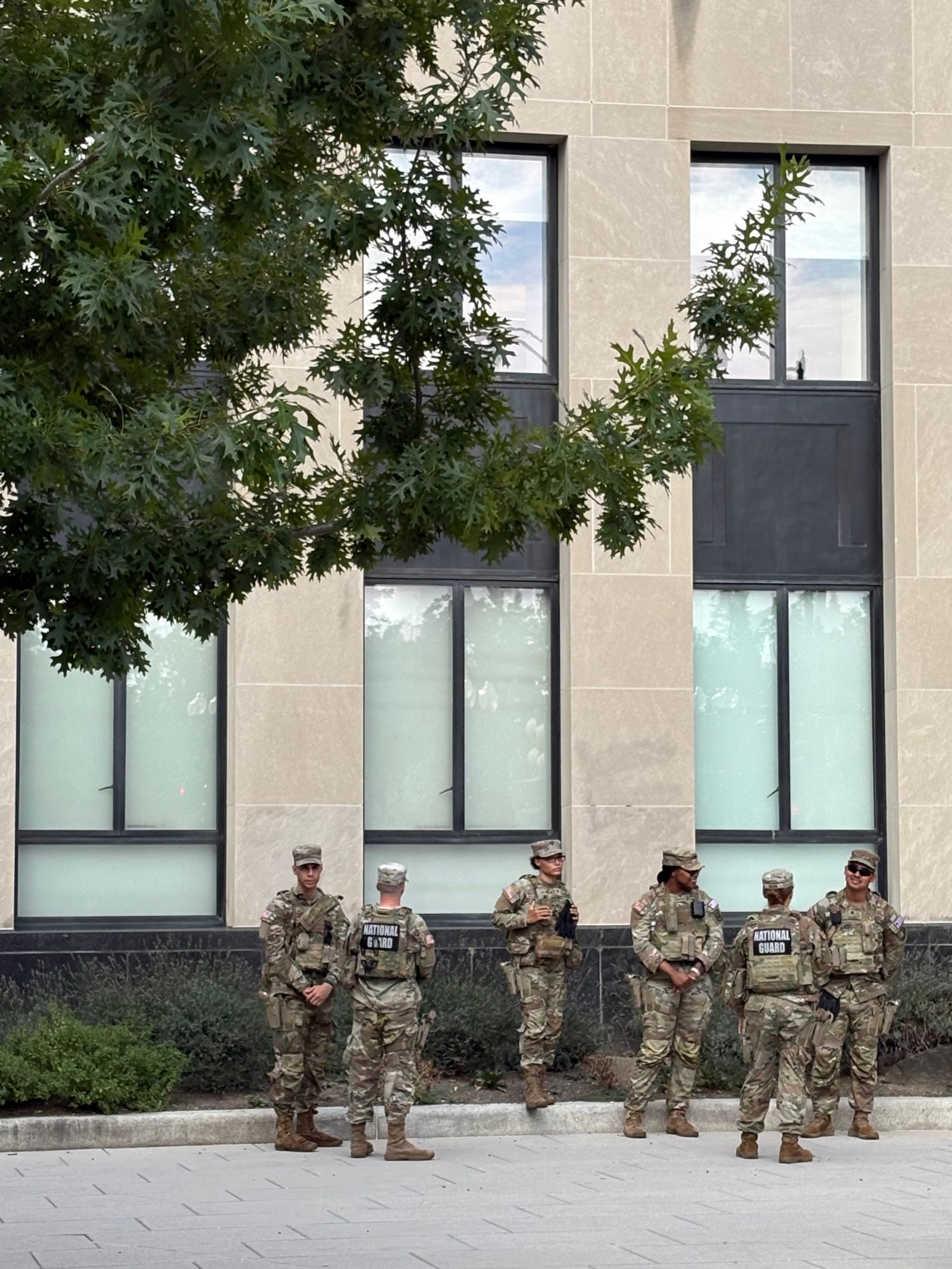
President Donald Trump’s plan to keep National Guard troops in Washington, D.C., until the end of his term is projected to cost an additional $1.4 billion, according to a report reviewed by The Washington Post. This assessment provides the most detailed cost breakdown of the administration’s unique deployment of military personnel in the capital.
Deployment Cost and Rationale
The expense, covering October 2026 to January 2029, arises as Trump touts the deployment as vital in reducing crime in Washington. Trump claimed in his February 24 State of the Union address that crime in the city reached unprecedented low levels. His administration argues that declining homicides and crime rates confirm their public safety approach, though critics question the necessity and effectiveness of the operation.
In response to the cost estimate provided to Senator Elizabeth Warren, a member of the Senate Armed Services Committee, the administration defends the deployment as essential for safety.
First stationed in August 2025 after an attempted carjacking of ex-Elon Musk staffer Edward Coristine, the National Guard’s mission might extend to January 2029, barring Trump’s satisfaction with crime levels. Despite Congressional Budget Office projections, monthly deployment expenses continue at $55 million, primarily due to an inflated troop presence for national events.
Political Tensions and Public Safety
The operation has sparked political debate. Democrats and civil rights groups argue the deployment signifies an overreach of federal power and inefficient spending. Trump’s administration sought further funds for domestic military roles, citing the Guard’s support beyond standard law enforcement tasks.
The Trump administration credits Guard support for public duties, such as security and emergency response, with keeping the capital safe. Over 800 emergencies, including medical situations and disaster assistance, have involved troops.
Crime Trends and Deployment Impact
President Trump emphasized the city’s declining crime in recent remarks, noting significant reductions in homicides and violent offenses. Experts caution against attributing the drop solely to national security measures since multiple factors, including policing strategies and economic conditions, affect crime rates.
Homicides in D.C. fell steeply from 226 in 2021 to 127 in 2025. Overall violent crime dropped by 1,000 incidents, from 3,475 in 2024 to 2,475 in 2025. The White House believes that federal involvement has bolstered public safety, though critics remain skeptical about the true influence of the Guard.
Debate Over Necessity and Effectiveness
The central issue surrounds the necessity of the continued Guard presence. While crime rates have decreased, it’s debated whether deploying the National Guard directly caused these improvements. Unlike typical police, Guard troops do not handle criminal investigations but supplement public safety operations.
Trump associates the troops with a drop in opportunistic crimes, yet independent research suggests no significant impact on violent crime. Broader data show crime reduction trends across major U.S. cities, questioning the unique influence of D.C.’s military presence.
Senator Warren and others argue against such hefty spending amidst general economic strain, asserting this funding decision represents inefficient use of taxpayer money.
Contact Newsweek editors on this topic: Samantha Beech and Edward T. Cummins.