
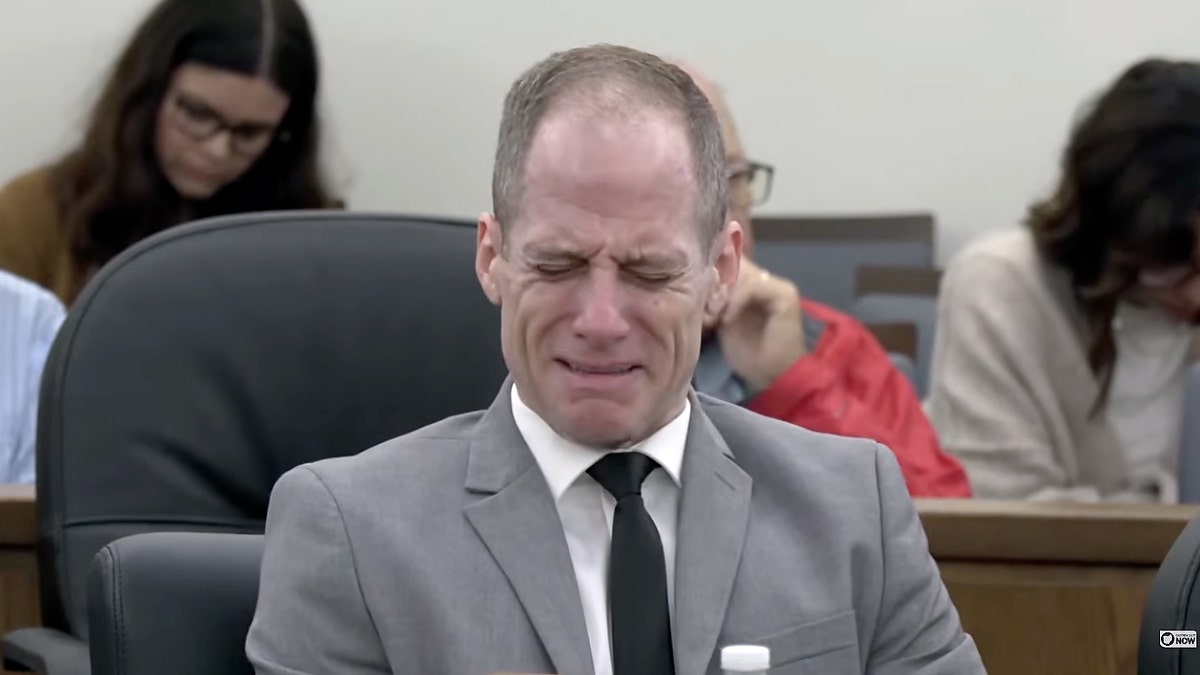
Caleb Flynn, a former ‘American Idol’ contestant, is on trial in Ohio, accused of murdering his wife, Ashley Flynn, on February 16. Prosecutors allege that he staged the scene to appear as though an intruder had broken in. Despite an extensive search, investigators have not found the handgun believed to be used in the crime.
Tipp City detective, Adam Bernard, testified about the investigators’ efforts to locate the weapon. The search included storm drains, vehicles, and attic spaces, with the use of high-powered magnets and specialized equipment. Bernard recounted that investigators used magnets to search storm drains and physically checked accessible culverts with flashlights, all to no avail.
Investigators lifted vehicles from the Flynn residence to explore areas where the gun might be hidden, yet this search yielded no results. Further efforts involved renting equipment to remove attic insulation, and reviewing Flynn’s firearm purchase history. A detective contacted nearly 24 gun stores in South Carolina, but could not find records detailing the make, model, or serial number of any gun tied to Flynn.
In additional testimony, forensic pathologist Dr. Bryan Casto described Ashley’s autopsy results, noting two gunshot wounds to the back of her head. The wounds overlapped, indicating she was shot at close range. The bullets’ paths suggested proximity in the shooting, although the exact distance remained undetermined.
David Hammond, a senior special agent and BCI crime scene technician, discussed evidence potentially showing that the alleged break-in had been staged. The garage door damage appeared inconsistent with forced entries; instead, the damage was on the inside.
The defense challenged these conclusions, emphasizing investigators’ inability to determine the timing of the door damage and lack of a blood-spatter analysis due to unsuitable conditions at the scene.
With over 107,000 lines of email data retrieved from Flynn’s account, prosecutors laid the groundwork to demonstrate Flynn’s communication with a mistress, which they consider a motive for murder.
The case remains without definitive evidence tying the recovered data to Flynn’s alleged actions, and the investigation continues.