
Millennials and Dog Ownership: A Shift in Perspective
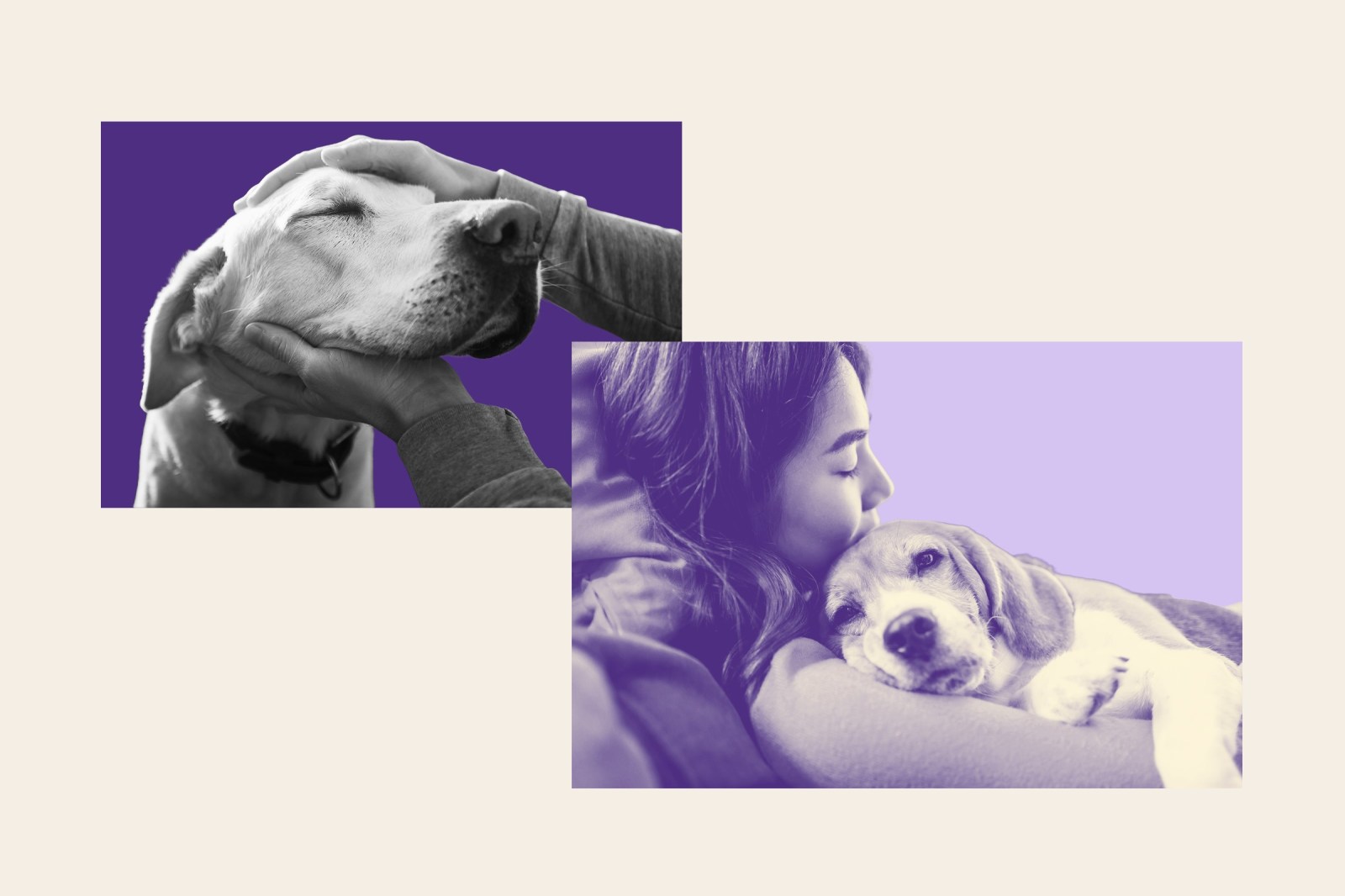
Millennials are changing the way dogs are viewed, embracing a gentle parenting style that challenges traditional notions of pet ownership. While previous generations saw dogs primarily as outdoor companions separate from family life, millennials treat them as integral members of the household. This shift manifests in daily routines that would have appeared unusual in the past.
“Dogs sleep in beds, attend daycare, and even spas. They accompany us shopping and on travels. Communities now develop as many dog parks as playgrounds,” noted Chris Edge, founder of K9Edge Dog Training, in an interview with Newsweek.
Remote working during COVID-19 lockdowns increased time spent at home, prompting more adoptions. As a result, newer generations of pets are forming stronger bonds with their owners.
The Personal Experiences of a Millennial Dog Owner
For Abigail Beek, 27, from Austin, Texas, her life revolves around her pit bull mix dogs, Harvey and Azula. She embraces a coexistence philosophy instead of a dominance-based one. “I focus on giving my dogs a life they love while minimizing stress. Work-from-home allows me to spend plenty of time with them,” she shared.
Her routine includes extensive walks, training sessions, and playtime, embodying the gentle parenting approach focused on empathy and positive reinforcement over punishment.
Impact and Opinions of Experts
Dog behaviorist Carolyn Menteith highlights the cultural change regarding dogs as family members. “Dogs are part of families like never before,” she explains. Younger adults, particularly those in dual-income households without children, significantly drive the trend of dog-focused households.
A study in 2024 showed that 43 percent of Americans prefer pets over children due to lower costs and responsibilities. Some pet owners even express willingness to sacrifice personal years to extend their pets’ lives.
Challenges with the New Dynamics
Experts caution about merging human and dog needs. Menteith warns against treating dogs as children, emphasizing their distinct species needs. Chris Edge notes the risk of emotionally oversupporting while neglecting behavioral preparation.
“Force free does not mean boundary free,” Edge remarks. “Some dogs lack frameworks for separation and self-regulation due to constant companionship during the pandemic.”
Edge also highlights overstimulation issues, noting many dogs experience neurological exhaustion from excessive engagement.
Integration into Wider Culture
Businesses now cater to pets through services and welcoming spaces, yet experts emphasize balancing inclusivity with dogs’ natural needs. Menteith asserts that behaviors seen as problems may reflect normal dog traits.
Despite challenges, owners like Beek believe they strike a proper balance, demonstrating that dogs can be spoiled yet well-behaved.
As dog ownership evolves, finding a middle ground is crucial. Compassion paired with clear boundaries ensures dogs thrive in a human-led world.