
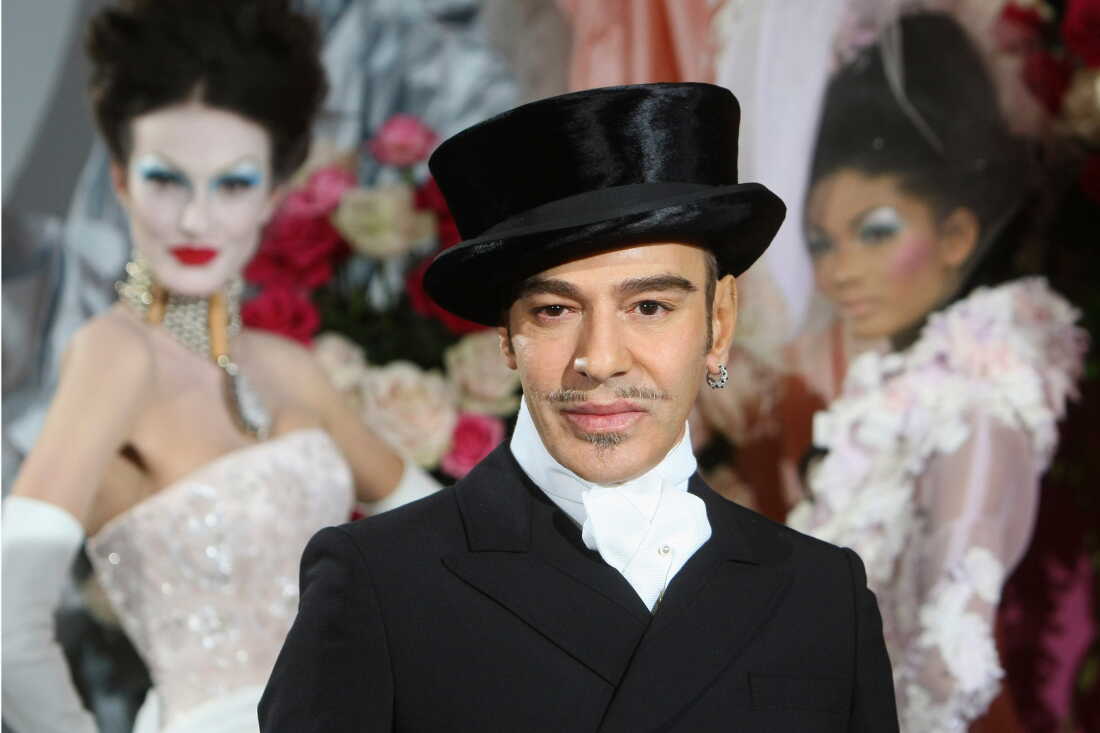
Fashion designer John Galliano, known for his creative flair, faced consequences when the Metropolitan Museum of Art canceled its planned exhibition honoring him. The backlash stemmed from his past antisemitic and racist remarks, which had garnered criticism from the Jewish community and others.
“John Galliano: Horizons,” the high-profile spring Costume Institute exhibit, set to launch with the annual Met Gala in May, was withdrawn.
Max Hollein, the museum’s director and CEO, stated, “Following thoughtful discussions with John Galliano, we have together decided not to proceed with the exhibition.” Galliano expressed regret for his past statements, acknowledging the pain they caused, particularly to Jewish and Asian communities.
Galliano’s Controversial Past
Galliano, renowned for his flamboyant designs, had been a leading creative force at Christian Dior. His downfall came after a series of racist and antisemitic comments surfaced from 2010 and 2011. Video footage showed him making offensive statements, including praise for Hitler and derogatory comments about Jewish and Asian patrons. These led to his conviction in a French antisemitism trial and dismissal from Dior.
Following his conviction, Galliano invested years in rehabilitation efforts and returned to the fashion scene in 2014 at Maison Margiela. He was poised to be one of only a few living designers to receive a solo show at the Costume Institute.
Internal and External Reactions
Anna Wintour, global editorial director of Vogue and a significant fashion figure, lauded Galliano’s choice to step aside as courageous. “John’s decision that the exhibition devoted to his work should not take place at this time is very courageous,” she commented, showing full support for Galliano and the museum.
The Costume Institute’s curator, Andrew Bolton, also agreed with the museum’s decision, noting the pain and controversy it had caused.
The museum’s initial announcement aimed to address Galliano’s past errors while engaging with Jewish community leaders to preempt backlash, which proved ineffective.
Public Criticism and Responses
Among the vocal critics was New York City Council Speaker Julie Menin, who strongly opposed the exhibit. “This is the correct decision, as the harm and pain this was causing was simply unacceptable,” she stated, emphasizing the impact on the Jewish community, particularly due to her connection as a daughter of a Holocaust survivor.
The timing of the planned exhibit also coincided with Holocaust Remembrance Day in 2027, raising concerns about the gala’s traditional date.
Jonathan Greenblatt, CEO of the Anti-Defamation League, echoed these sentiments. “With antisemitism at crisis levels, the Met honoring John Galliano at this moment was misguided,” he noted. Greenblatt acknowledged Galliano’s apologies but questioned the timing of honoring him.
Another critic, David Ingber, a rabbi at the Bronfman Center, highlighted the distinction between acknowledging redemption and granting prestigious honors. “Redemption doesn’t entitle someone to every honor that we have,” he remarked. He stressed that the Met’s gala signifies institutional celebration, and the focus around Galliano was problematic.