
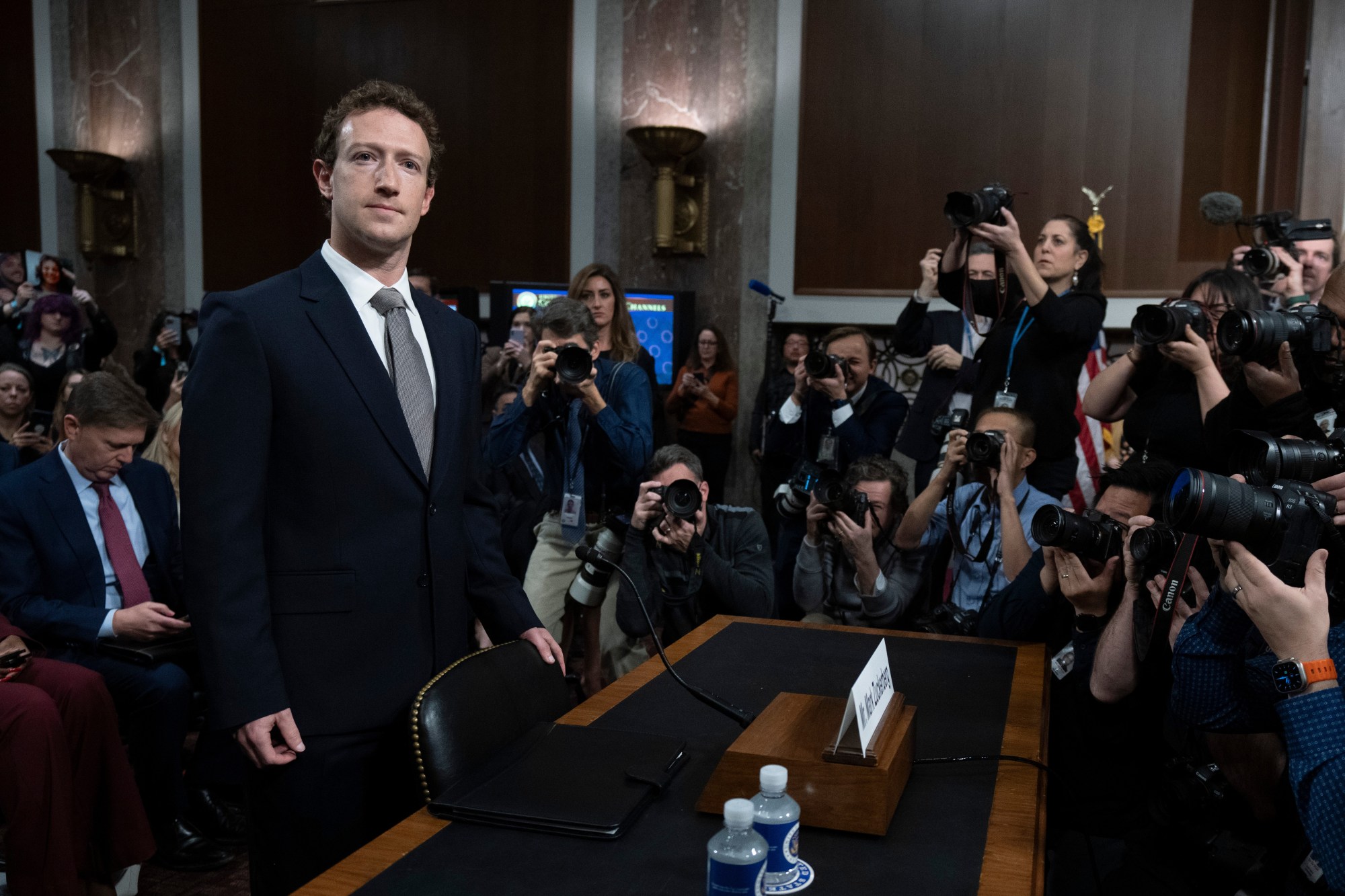
On January 31, 2024, Meta CEO Mark Zuckerberg testified before a Senate Judiciary Committee about child safety in Washington. On August 26, Meta reached a settlement with 47 states, Washington D.C., and U.S. territories just days into a major social media trial. The agreement involves $12.19 billion over ten years, potentially increasing to $17.1 billion if TikTok and YouTube agree to similar terms. Texas also agreed to a $1 billion settlement.
This settlement represents the largest state consumer protection agreement in history outside of Big Tobacco. The states initially sought approximately $200 billion, while Meta’s lawyers anticipated potential damages as high as $1.4 trillion. The case could have transformed Meta and the social media landscape, but the settlement amount is less than 10% of what the states requested.
As an industry insider from the 1990s, I have avoided targeted advertising and algorithmic manipulation. The industry shifted focus to ‘engagement at all costs’ and surveillance advertising. This settlement presented an opportunity to regain control, but it fell short. This year alone, Meta lost two significant cases. In March, a Los Angeles jury found Meta and YouTube liable for addictive design in a personal injury trial. A similar case in New Mexico resulted in nearly $1 billion in penalties. The recent trial highlighted Meta’s intentional harmful design strategies.
California Deputy Attorney General Megan O’Neill described how Meta’s business model targeted children, quoting strategies to attract, retain, and harvest user data. Former Meta safety engineer and whistleblower Arturo Bejar testified that Meta employed a ‘don’t ask, don’t tell’ approach with underage users. He revealed that a survey showed over half of teens had harmful Instagram experiences in one week, yet Zuckerberg did not respond to his alert.
Comparisons to tobacco were frequent. In 1998, major tobacco companies settled for $206 billion, notably ending marketing to children. The current settlement attempts to change Meta’s product for users under 18, imposing limits on usage and features, yet key issues remain. Algorithmically manipulated newsfeeds persist as opt-out only, maintaining Meta’s business model by predicting and supplying content to keep teens engaged. Age assurance for users under 13 is also left deliberately vague, giving Meta free rein.
Meta will likely regard this outcome as favorable. Last year, their revenue reached about $200 billion. The annual payout of the settlement, divided over 47 states and territories, is modest, prompting Florida Attorney General James Uthmeier to label it insufficient compared to the harm caused. Meta’s stock rose 4% upon the announcement, adding nearly $59 billion to its market value, surpassing the entire settlement. This is reminiscent of the Cambridge Analytica affair, where a $5 billion fine resulted in a stock surge.
California Attorney General Rob Bonta asserts Meta is ‘first in line,’ with YouTube, TikTok, and Snap facing similar challenges. Meta’s agreement allows it to position opposing attorneys general as adversaries of competitors, establishing uniform changes across platforms. Outside courts, reactions intensify with numerous states and countries imposing social media restrictions. Notably, Australia prohibited those under 16 from social media, with upcoming initiatives from the EU as well.
Despite denying wrongdoing, Meta faces additional lawsuits from school districts and individuals. The settlement reaches a conclusion, yet those pursuing justice must consider the victories in Los Angeles and New Mexico. The call is clear: Avoid settling with Meta in future cases. Hold them accountable in court.
Mark Weinstein, an original social media architect and author of ‘Restoring Our Sanity Online,’ addressed these issues. All rights reserved under Copyright 2026 by Nexstar Media Inc.