
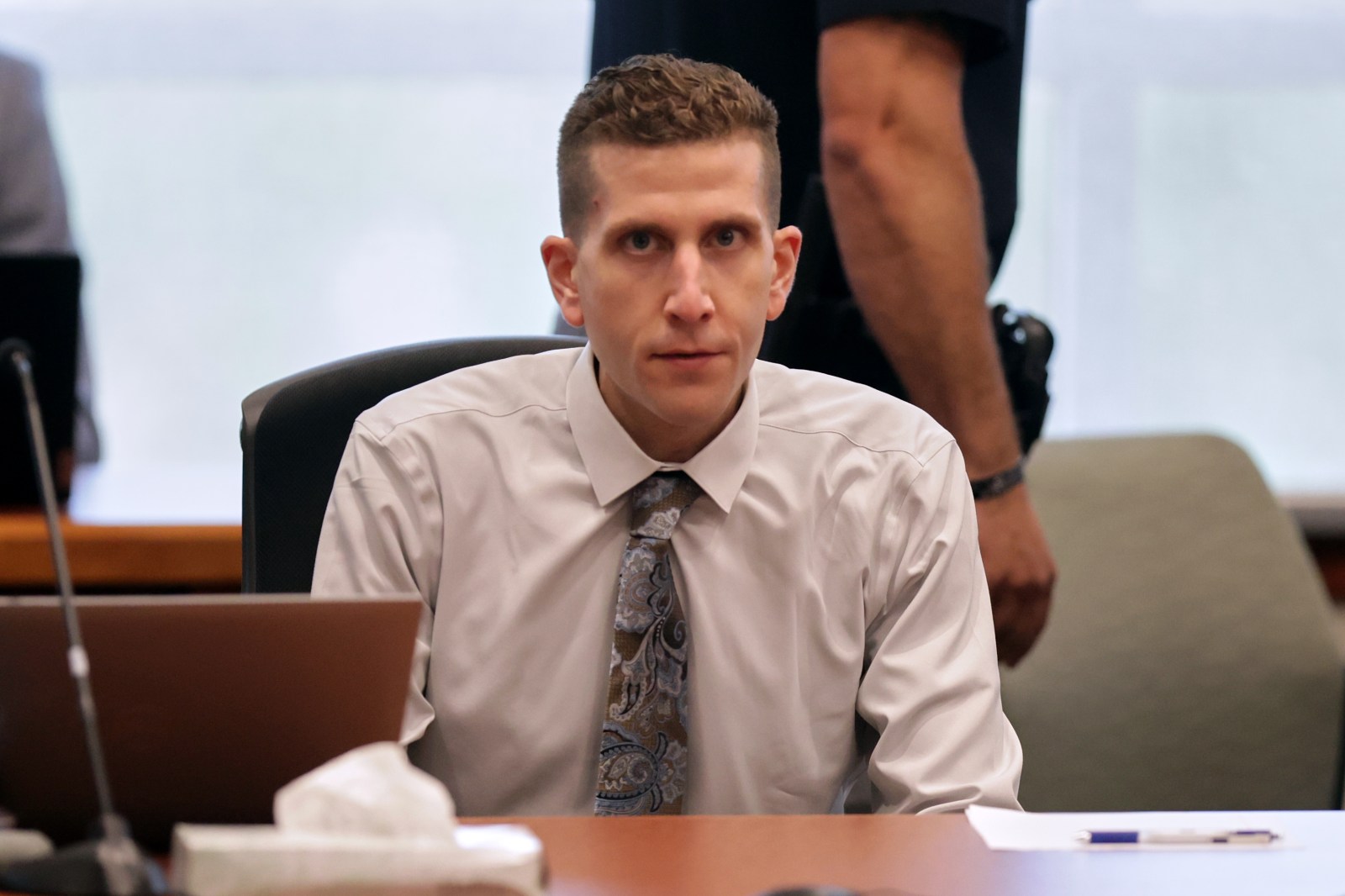
Experts have shared insights with Newsweek regarding the potential influence of Bryan Kohberger’s mental health diagnoses as he seeks to withdraw his guilty plea in the murder cases of four University of Idaho students. Kohberger, aged 31, initially pled guilty to the fatal stabbings of Kaylee Goncalves, Ethan Chapin, Xana Kernodle, and Madison Mogen last year. These tragic incidents occurred at a rental property near the university’s campus in Moscow, Idaho. Kohberger is currently serving four consecutive life sentences following his plea agreement in July, which removed the prospect of facing the death penalty.
Recently, Kohberger filed a petition for post-conviction relief, arguing that his legal representation was inadequate and that he was manipulated into accepting the guilty plea. To bolster his case, Kohberger’s attorneys have cited a neuropsychological evaluation conducted post-arrest. This assessment, carried out by Dr. Rachel Orr, diagnosed him with autism spectrum disorder, among other conditions. The initial plea deal took the death penalty off the table, but Kohberger now seeks a trial.
Former federal prosecutor Neama Rahmani, now with West Coast Trial Lawyers, remarked that having diagnoses like autism are unlikely to convince a judge to set aside the guilty plea. However, these diagnoses could be considered if Kohberger argues they affected his ability to understand the plea’s ramifications.
“If Kohberger convinces the court that his attorneys misled him or he didn’t understand the implications of his guilty plea due to his diagnoses, these factors may prove relevant for withdrawal,” Rahmani stated.
Details of Kohberger’s Diagnoses
Dr. Orr conducted an evaluation of Kohberger over six sessions from October 2024 to January 2025. The assessment resulted in multiple diagnoses, including:
- Autism Spectrum Disorder (Level 1), with no intellectual or language impairment
- Attention-Deficit/Hyperactivity Disorder (ADHD), in partial remission
- Obsessive-Compulsive Disorder (OCD)
- Avoidant/Restrictive Food Intake Disorder (ARFID)
Additional past diagnoses included Developmental Coordination Disorder, Anorexia Nervosa, Unspecified Depressive Disorder, and Opioid Use Disorder.
Potential Impact in Case of a Trial
Rahmani anticipates that Kohberger’s attempt to withdraw his plea may not succeed, and if it does, these diagnoses might not impact the trial itself. He explained:
“Conditions like autism and ADHD are unrelated to the specifics of the murders or the elements of the crimes. Thus, they would not be considered in the guilt phase during any potential trial.”
Laurie Levenson, a Loyola Law School professor and former federal prosecutor, speculated that Kohberger’s prison experience may drive his desire for a trial:
“His difficulty in adapting to prison life might encourage him to seek a trial,” she said.
However, if Kohberger were to withdraw his plea and be convicted again, these mental health factors might play a role in sentencing, especially in terms of mitigating circumstances.
Rahmani also noted:
“If allowed to withdraw the plea and faced with murder conviction, his mental health and special needs could be considered by jurors when deciding between life imprisonment or the death penalty.”
Judicial Precedents and Mental Health Considerations
Kohberger’s attorneys previously cited his autism diagnosis to challenge the death penalty under the Eighth Amendment, but Judge Steven Hippler ruled against this. According to U.S. Supreme Court precedent, only intellectual disabilities exempt a person from the death penalty.
Hippler stated:
“ASD, while potentially a mitigating factor, does not equate to an intellectual disability necessary for a death penalty exemption.”
Findings from Evaluations
Dr. Ty Milton, a professor and director of psychology at Mid-America Christian University, described Kohberger’s evaluations as “extensive and thorough.” Though these diagnoses are significant clinically, Dr. Milton warns against associating them directly with violent behavior.
“Features related to these disorders might affect an individual’s cognitive flexibility, emotional regulation, and decision-making under pressure.”
Milton emphasized that most people with such conditions do not demonstrate violence.
Regarding Kohberger’s attempt to withdraw his plea, Milton’s focus is on whether these disorders influenced his judgment during plea negotiations.
“Did these conditions affect how Kohberger handled stress, processed alternatives, or made decisions under pressure?” Milton questioned.
Upcoming Legal Proceedings
Idaho prosecutors are anticipated to respond to Kohberger’s petition soon. Legal protocol grants them 30 days post-filing to respond. Following the state’s reply, Judge Hippler will make decisions regarding proceeding with additional hearings or dismissing the petition entirely.
For more information, Newsweek editors Ben Kelly and Gray R. Thomas can be contacted.