
Legacy of Libyan Intervention
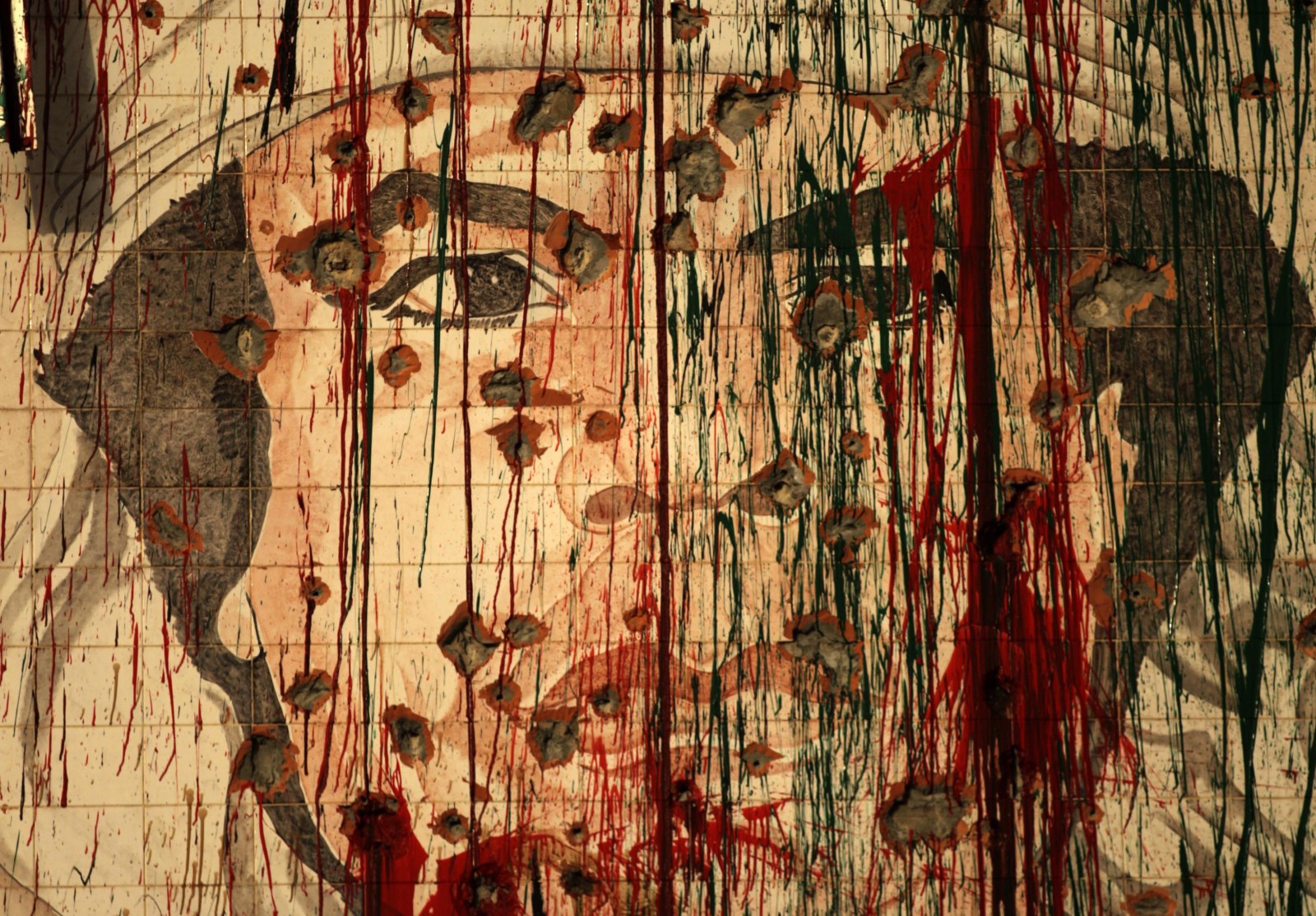
Trump’s current stance against Iran reflects the missteps in U.S. foreign policy that date back to the Libyan intervention in 2011 led by then-President Obama. The military support that NATO provided to the rebellion in Libya resulted in the death of Muammar Qaddafi. This episode significantly influenced subsequent geopolitical developments, contributing to Trump’s political rise five years later.
Libya’s freefall into chaos had repercussions worldwide. Post-Qaddafi difficulties led to an uptick in migration across the Mediterranean and anti-establishment attitudes that fueled Trump’s political success. Obama’s admission that the Libyan intervention was his presidency’s worse mistake is still relevant, as similar challenges confront the U.S. in its approach toward Iran.
U.S. Military Limitations
In Libya, the U.S. was unable to effectively influence ground events post-intervention, showing the limits of airpower. No comparable opposition exists in Iran, and top military leaders have remained loyal to the regime. The idea of airpower alone overturning a government lacks rationale.
The military intervention in Libya supported a substantial uprising, contrasting with the current strategy in Iran, where effective coordination to enable an uprising is absent.
Trump’s Views on Libya and Iran
Initially advocating for a quick intervention in Libya, Trump soon criticized Obama’s dependence on NATO allies, predicting a worsened situation post-Qaddafi. This foresight is notable as Iran’s supreme leadership was replaced swiftly by an equally stringent regime.
The Benghazi attack, following Qaddafi’s fall, represented a crisis for Obama, invoking controversies around Hillary Clinton. This scandal became pivotal in Trump’s campaign against Clinton, aiding his victory in 2016.
Global Consequences
The aftermath of errors in Libya correlates with Brexit and Trump’s election success. Brexit emerged from the fear of mass migration. Trump’s triumph was supported by fears surrounding terrorism and a refugee crisis.
The decision to overthrow Qaddafi, as argued by Vice President JD Vance, led to Libya’s transformation into a failed state, inducing instability. This scenario is one the White House aims to avoid in Iran, focusing instead on ensuring energy flow while countering Iran’s nuclear ambitions.
Iran and Libya: Different Approaches
Comparisons between Libya and Iran illustrate significant differences. U.S. intervention in Libya had international backing; the Iran war involves only Israel and lacks such support, underscoring the risks associated with unilateral action.
The challenge lies in defining what follows military interventions, echoed in the inability to establish post-Qaddafi stability in Libya. Success likely requires continued diplomatic efforts and security assistance.
Libyan Division and Its Effects
While Libya remains fragmented between rival governments, the chaos following Qaddafi’s demise persists. The resource-rich nation now experiences intensified poverty and instability.
Historical lessons dictate that airpower disrupts adversaries but fails to ensure lasting peace without diplomatic engagement and security aid.
Future Implications
The Libyan scene had substantial impact locally, sending shockwaves through the Sahel region. This region grows as a hotspot for militant activity, fueled by Qaddafi-era fighters.
The legacy of Qaddafi’s ouster challenges U.S. effectiveness in Middle Eastern interventions, complicating relations with adversaries like Russia and China.