
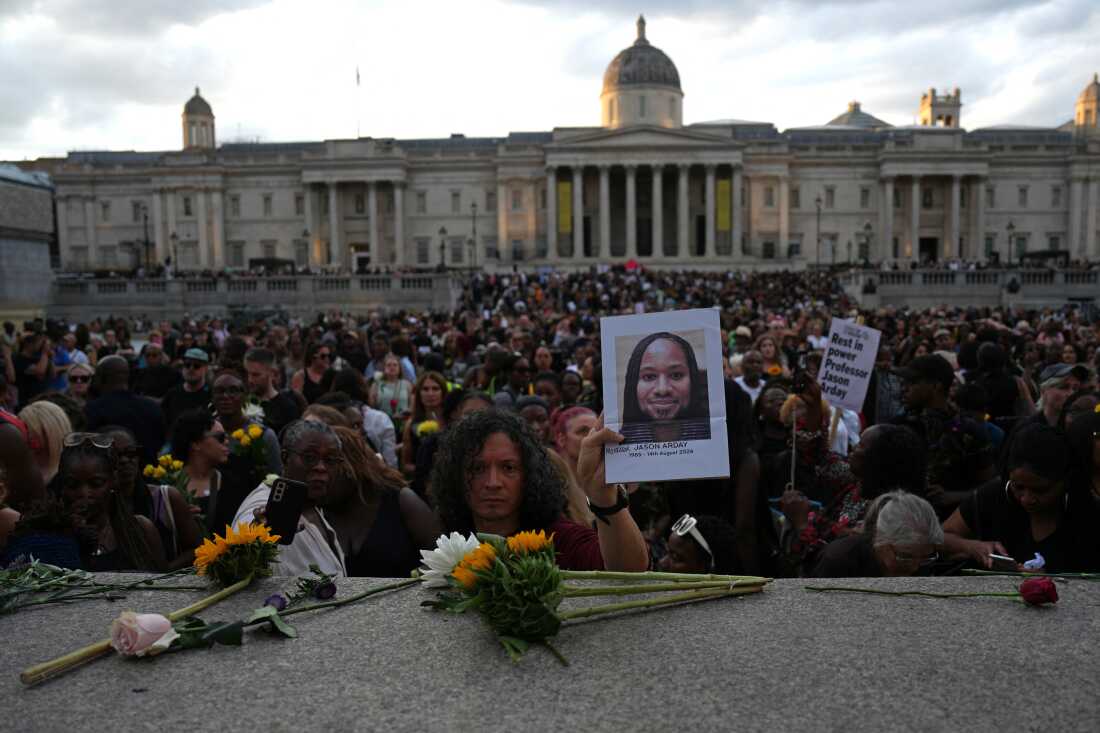
Jason Arday, a Cambridge University professor, passed away at 41 amid allegations of dishonesty, including plagiarism and false statements in his biography. His death on August 14 was met with both mourning and controversy, as the debates surrounding his life and career highlighted broader issues in academia.
Arday was known for his work on race, inequality, and education, subjects intertwined with his personal and professional journey. In 2023, he became the youngest Black professor at Cambridge. Yet, his achievements were overshadowed by accusations of falsifying elements of his life and career. Despite denying intentional misconduct, Arday resigned as the scrutiny intensified. He also faced racist attacks online, which persisted even after his resignation.
The debate extends beyond the allegations. For some, Arday’s rapid rise suggested that diversity targets may have been prioritized over academic integrity at liberal institutions. Conversely, others argue that his fall from grace highlighted the heightened scrutiny and racism that Black academics may face.
Tyler Austin Harper, a former professor at Bates College, remarked on the extent of the questions regarding Arday, from his academic work to personal claims like overcoming muteness and illiteracy or running long distances. These assertions, though individually plausible, collectively seemed implausible, raising suspicions about his truthfulness.
The criticisms around Arday were complex. The first public accuser had a history of writing about race and intelligence, suggesting potential bias. This nuance worried supporters of affirmative action, as Arday’s story became a tool against policies promoting diversity and inclusion.
Harper also critiqued university culture, suggesting institutions might prioritize an academic’s racial identity over their scholarly qualifications. In Arday’s case, Cambridge possibly ignored factors that warranted deeper investigation during his appointment.
This situation raises questions about the future of academia. Harper cautioned against defensive attitudes that may reinforce perceptions of elite institutions ignoring their shortcomings. Although no straightforward resolutions were offered, the case highlights the need for a balanced approach in addressing diversity and academic integrity.