
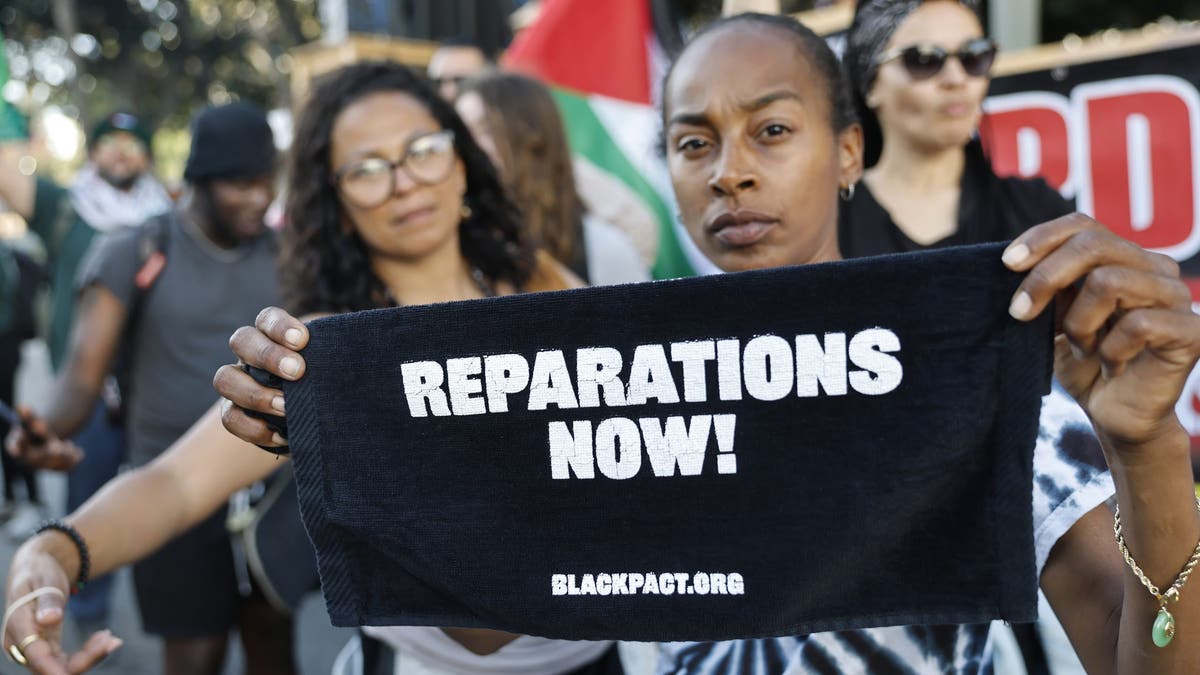
The Department of Justice (DOJ) is challenging Evanston, Illinois, over its reparations program, which the DOJ argues is unconstitutional due to its race-based criteria. This follows a federal lawsuit by Judicial Watch, a conservative watchdog group.
A federal judge permitted the DOJ to intervene in the lawsuit. Despite this, Evanston’s attorney, Precious S. Jacobs-Perry, plans to file a motion to dismiss the government’s complaint, emphasizing the city’s commitment to its program.
Evanston’s reparations program offers financial benefits totaling $25,000, including direct housing support, to Black residents or their descendants who lived in the city between 1919 and 1969. This initiative is funded by a local cannabis tax, with a ten-year, $10 million commitment, marking Evanston as the first U.S. city to approve a municipal reparations plan in 2019.
However, the DOJ argues the program unlawfully allocates taxpayer benefits based on race and ancestry. Federal prosecutors contend it violates both the Equal Protection Clause of the 14th Amendment and the Fair Housing Act.
Judicial Watch’s lawsuit involves six non-Black plaintiffs who resided in or had ancestors in Evanston during the eligibility period. They claim the program is discriminatory for excluding them. Michael Bekesha, an attorney for Judicial Watch, insists Evanston’s $25,000 payments are unconstitutional.
Bekesha asserts that despite previous unsuccessful attempts to dismiss the lawsuit, efforts will continue to challenge Evanston’s reparations program. Meanwhile, Cynthia Vargas, an Evanston spokesperson, confirmed the city’s determination to defend against all lawsuits.