
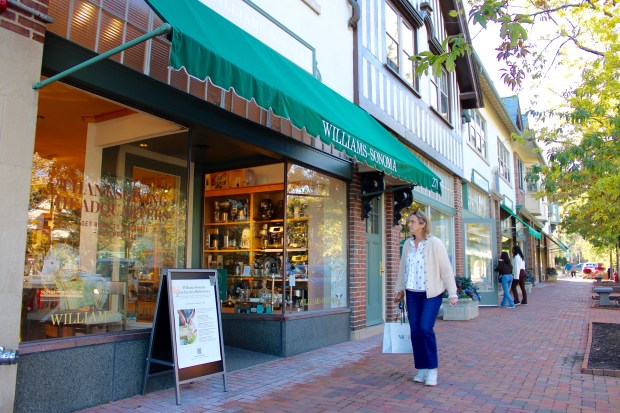
Historic preservation involves more than maintaining old buildings and styles. It seeks to preserve community integrity and cultural heritage. The first Lake Forest Preservation Symposium took place from October 16 to 18, highlighting heritage, design, community, and the future of preservation.
The event was a collaboration between The Lake Forest Preservation Foundation and Ragdale. Both organizations marked their 50th anniversaries with this symposium. Jennifer McGregor, executive director of the Foundation, emphasized the gathering of preservationists, architects, historians, architectural critics, civic leaders, national experts, and community members. The goal was to discuss and debate the influence of historic places on future American communities.
“Lake Forest residents appreciate the town’s beauty, but often overlook the role of preservation,” McGregor stated. “Efforts here are carefully managed to be sensitive to development.”
The symposium featured diverse programs such as workshops, panel discussions, tours, historic home experiences, exhibitions, and receptions. It highlighted preservation as a framework for community identity, growth, design excellence, environmental stewardship, and cultural continuity. Locations included Ragdale, Lake Forest College, the Lake Forest-Lake Bluff History Center, Market Square, and other historic properties.
McGregor pointed out the deliberate selection of panelists with differing perspectives. These included a Notre Dame architecture leader, a designer of iconic skyscrapers, a South Side architectural critic, and a global urbanism expert. Their discussions addressed themes like ‘Preservation vs. Progress: Who Owns the Future of Our Cities’.
Paul Sacaridiz of the Ragdale Foundation noted the importance of preservation as urban areas grow. He stressed the need for careful decision-making, reflecting on who influences the development of shared spaces and how values appear in built environments.
“Preservation isn’t a barrier to progress,” Sacaridiz explained. “Ragdale is an example of thoughtful preservation supporting growth and evolution.”
The symposium occurred at a time when communities confront issues like growth, sustainability, adaptive reuse, housing, resilience, and civic identity. McGregor noted that while preservation is often seen as a past vs. future debate, the symposium challenged that notion. It honored past achievements and positioned Lake Forest as a national forum for essential conversations.
Lake Forest is not a static museum, but a living community, according to Arthur H. Miller, historian and director emeritus of the Foundation. Since 1857, with Almerin Hotchkiss’s organic street plan, and the 1916 Burnham-inspired Market Square, the community has prioritized stewardship over convenience. Miller highlighted the continuity of community identity established through vision and commitment.