
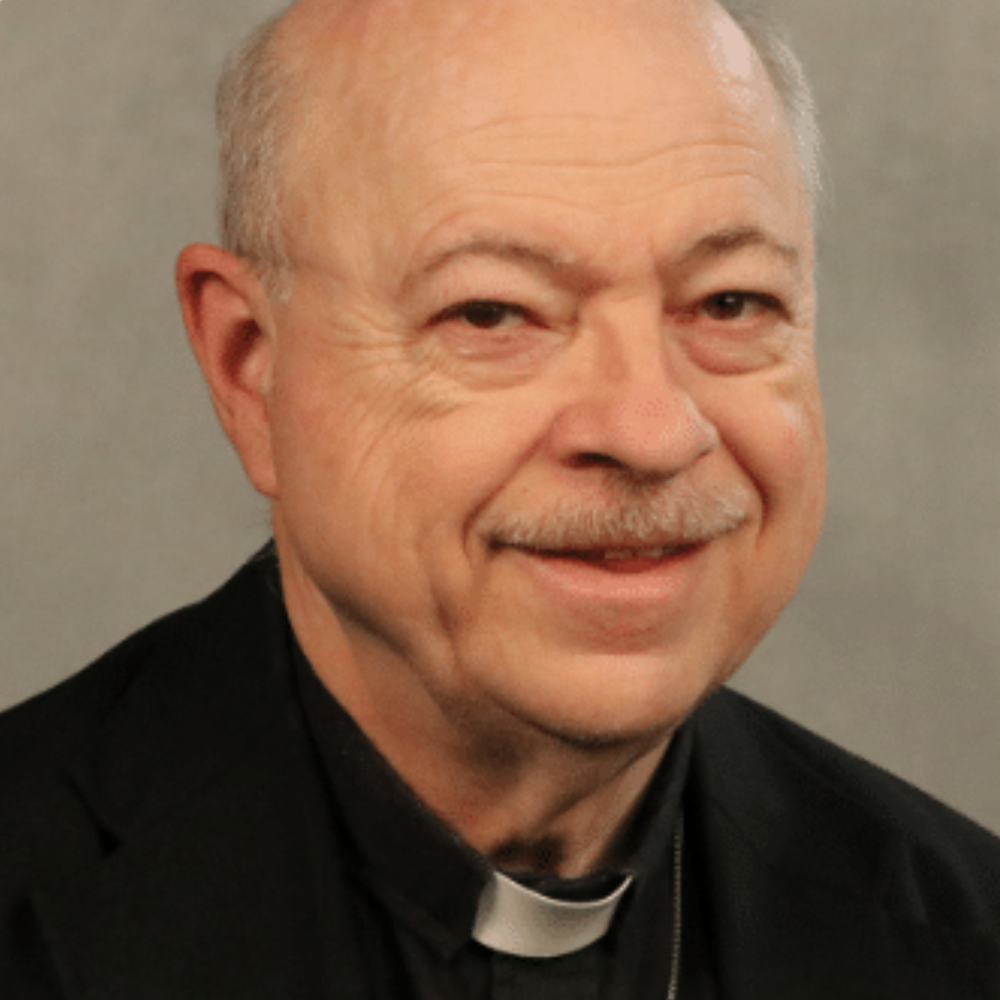
A Catholic bishop in Kentucky has directed a parish priest to stop celebrating the Traditional Latin Mass. This form of the Catholic Mass, dating back centuries, existed before modern church reforms. The decision emphasizes how Vatican restrictions under Pope Francis influence worship globally.
Bishop William F. Medley of the Diocese of Owensboro instructed Father David Kennedy in May to cease offering Mass according to the 1962 Roman Missal after June 30. This followed a temporary Vatican-approved arrangement allowing Kennedy to celebrate the older liturgy under specific conditions.
Medley stated he could not prove that Kennedy had met these conditions. Kennedy was expected to encourage worshippers to attend modern Mass versions. Hence, Medley could not request an extension from the Vatican.
The move highlights the ongoing impact of Francis’ 2021 decree, Traditionis Custodes. This decree restricted the Traditional Latin Mass and tasked bishops with overseeing celebrations using the 1962 missal. This remains a contentious debate in the Catholic Church.
The Society of St. Pius X, an ultraconservative group, also faces excommunication for attempting to consecrate bishops without papal consent.
Traditional Latin Mass Overview
The Traditional Latin Mass uses the 1962 Roman Missal, the last version before 1960s reforms. The Novus Ordo, also known as the Mass of Paul VI, followed these reforms. Both can occur in Latin, but differ in prayers, readings, and structure.
Francis’ restrictions five years ago addressed concerns that some used the older liturgy to reject the Second Vatican Council’s reforms, causing division. Supporters of the Traditional Latin Mass argue it maintains centuries of tradition, while proponents of restrictions believe in unity around the modern Mass.
Traditionally celebrated entirely in Latin, the older Mass follows ancient prayers and rituals. It usually has the priest facing the altar. The modern Mass, commonly conducted in local languages, features changes in services, prayers, and readings.
Medley’s Letter Insights
In his letter to Kennedy, Medley mentioned delaying the change for almost a year. After Francis’ passing last April, he awaited whether Pope Leo XIV would revise the Vatican’s stance on the Traditional Latin Mass. However, no signs suggested policy changes.
Medley felt compelled to act according to the Holy See’s direction, ending permission for the older Mass form. He did not ban Latin worship entirely, allowing Kennedy to celebrate the modern Mass in Latin and “ad orientem”—with the priest facing the altar—reinforcing the restriction’s focus on the older rite, not Latin itself.