
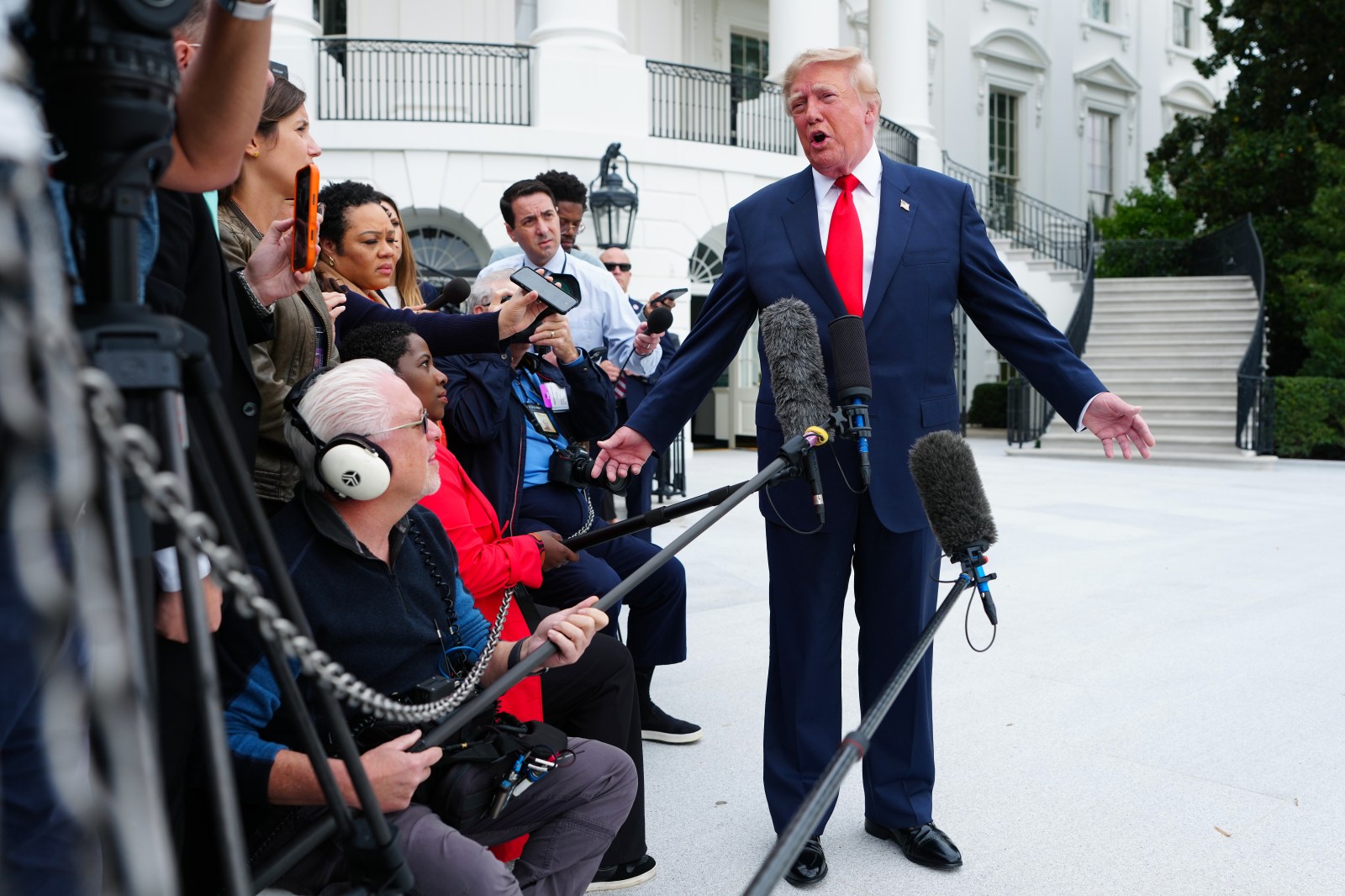
On Tuesday, a federal judge issued a preliminary injunction against the Trump administration’s ban on CNN, MS NOW, and Politico journalists at the White House. The judge found the ban likely violated their due process rights and First Amendment protections.
U.S. District Judge Timothy J. Kelly, appointed by Trump in 2017, concluded the outlets were likely to succeed in their claims. He stated that revoking their White House credentials violated the Fifth Amendment’s due process clause and constituted unlawful First Amendment retaliation and viewpoint discrimination.
Kelly ordered administration officials, excluding Trump, not to enforce the September 18 decision that revoked White House hard-pass credentials for employees of CNN, MS NOW, and Politico while the case continues.
The record suggests Trump likely banned these organizations due to reports he perceived as inaccurate and biased against him.
The judge dismissed the administration’s argument that credential revocations were justified by national security concerns, stating there was no relevant national security evidence connected to Trump’s decision.
Kelly concluded the outlets experienced a likelihood of irreparable harm, emphasizing that loss of constitutional freedoms, even for short periods, constitutes irreparable injury.
Trump announced the ban on September 18, citing years of “fake news” coverage. The next day, reporters from the affected organizations were denied entry to the White House after their credentials were deactivated.
The organizations and several journalists sued, alleging the ban violated their Fifth Amendment due process rights and amounted to retaliation and viewpoint discrimination under the First Amendment.
Previously, Kelly granted a temporary restraining order restoring access for the organizations. His latest opinion cited D.C. Circuit precedent affirming that White House hard-pass holders have protected constitutional interests in those credentials, which can’t be removed without due process.
Kelly referenced Trump’s public statements explaining the ban, noting comments about negative news coverage and a desire for the organizations to “straighten themselves out.”
The Department of Justice argued White House access is “a privilege—not a right,” asserting no due process or First Amendment rights pertain to these credentials and proposing the president should have greater control over press access.
The department claimed Trump’s actions were justified due to the outlets’ failure to meet professionalism standards and publishing sensitive national security information.