
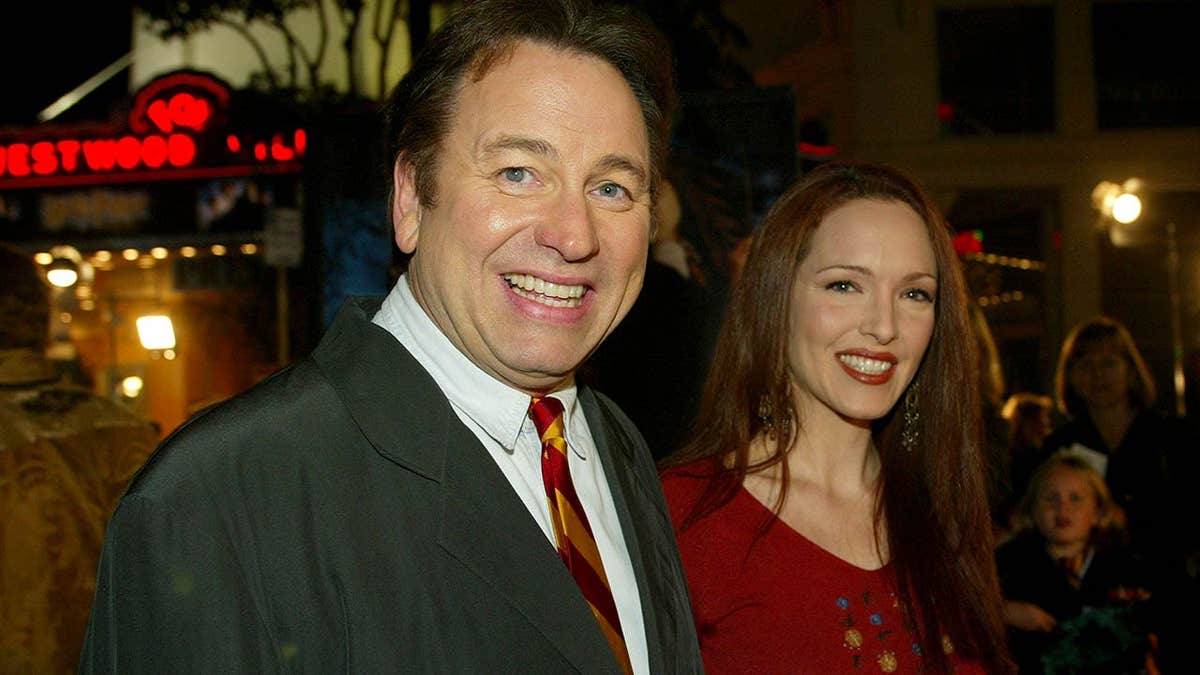
Amy Yasbeck, widow of actor John Ritter, recently discussed the final hours of her husband’s life, over two decades after his death in 2003. Ritter died at 54 due to an acute aortic dissection, a tear in the inner layer of the body’s largest artery, the aorta.
Leading up to Aortic Dissection Awareness Week and what would have been Ritter’s 78th birthday on September 17, Yasbeck, who started the John Ritter Foundation for Aortic Health, talked with Fox News Digital. She was joined by her son, Tyler Ritter, a foundation board member.
Ritter’s Misdiagnosis
Yasbeck recounted how Ritter was misdiagnosed with a heart attack when he arrived at the hospital. “He had chest pain and was treated as though he had a heart attack,” Yasbeck explained. However, it was actually a tear in his aorta that led to his death. Appropriate imaging was not performed, which could have increased his chances of survival had it been done in time.
Following her husband’s death, Yasbeck filed a wrongful death lawsuit, asserting the aortic dissection was misdiagnosed. In 2008, a jury sided with the two physicians remaining in the case.
Raising Awareness
To mark Aortic Dissection Awareness Week from September 13-19, the John Ritter Foundation is launching a “50 for 50” campaign, encouraging donations of $50. The campaign highlights that up to 50% of aortic dissection patients die before reaching medical care. Yasbeck stated that awareness of the condition among the general public and medical professionals is crucial, as chest pain can signal an aortic dissection rather than a heart attack.
Your heart can be in perfect shape,” Yasbeck noted. “But if the blood diverts between the aorta’s layers instead of circulating through the body, it can be deadly.
She highlighted the lack of specific medications for aortic dissection. While managing blood pressure can help those at risk, no immediate fix exists. Yasbeck emphasized the need for individuals to take active roles in their health, which also helps protect future generations.
John Ritter’s Lasting Impact
Yasbeck shared a personal account illustrating how Ritter’s story has become entrenched in medical practice. She recalled being at the hospital with a friend when staff referenced a “John Ritter thing” while checking for an aortic dissection. This shorthand acknowledges the awareness his case brought to the medical field.
Many doctors and researchers credit Ritter’s death as a turning point in recognizing aortic dissection. Family members have since advocated for public education about thoracic aortic aneurysms and dissections, which can have genetic links.
Family Impact and Legacy
Yasbeck revealed that Ritter’s father likely passed from an undiagnosed aortic dissection. His brother, Tom Ritter, underwent life-saving surgery after routine tests confirmed the condition. This knowledge has enabled his family to take preventive measures.
Tyler Ritter explained that knowing his family history, he proactively undergoes annual screenings. His children are aware of the importance of monitoring their health, reflecting the broader message of the foundation’s work.
The John Ritter Foundation continues to honor the actor’s legacy by promoting awareness and encouraging screenings. This work helps prevent undiagnosed cases and saves lives, ensuring no other family members face the same fate.