
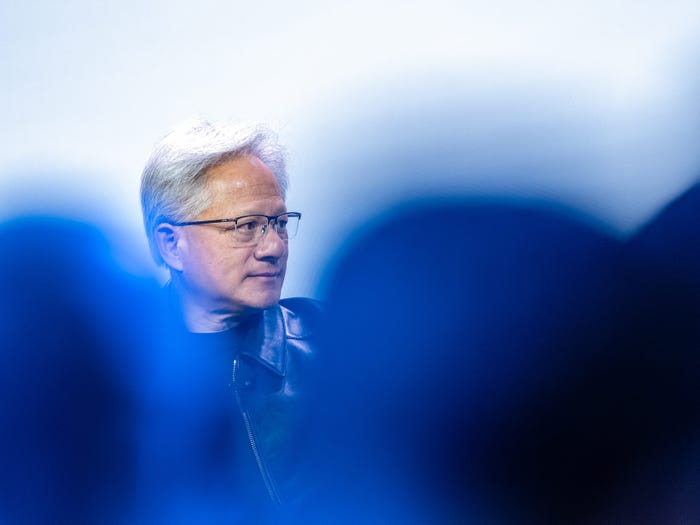
Jensen Huang, the CEO of Nvidia, has announced his resignation, leaving the company at a critical juncture. Huang’s journey was remarkable. He transformed from a Taiwanese immigrant doing menial jobs to a top executive in Silicon Valley. His work was key to Nvidia’s role in the AI revolution. He turned gaming chips into essential tools for AI, building connections within the AI community and even with President Donald Trump, extending his influence beyond Nvidia.
However, recent revelations about Huang’s personal life have changed his public image. Details of his extramarital affairs have surfaced, reshaping perceptions of him and putting Nvidia in the spotlight for reasons other than technology prowess. Now, Nvidia must demonstrate it can survive and thrive without the visionary who led it to prominence. Investors, customers, and policymakers are keenly watching to see if Nvidia’s vast ecosystem can continue to advance independently.
A Week of Challenges
The week of November 8 marked a turning point for Huang and Nvidia. Huang admitted to being unfaithful, a revelation that coincided with claims of interference by foreign intelligence trying to exploit his vulnerabilities. As a result, Huang stepped down, and Colette Kress, Nvidia’s CFO, became interim CEO. The search for a new CEO is underway, reflecting the urgent need for leadership continuity.
Huang’s personal life added complexity to Nvidia’s narrative. Notably, his involvement with Alice Huang raised questions on the backdrop of his lobbying in Washington to ease chip sales to China. Moreover, his relationships with Kimberly Powell and another Nvidia employee added layers of intrigue and challenge.
The Visionary Leader
Huang co-founded Nvidia from humble beginnings, working initially as a waiter at a Denny’s in San Jose. His leadership was characterized by charisma, strategic foresight, and an unmatched work ethic. Known as the ‘godfather of AI’, Huang was committed to developing GPUs that could handle thousands of tasks simultaneously, a vision that revolutionized computing.
Nvidia under Huang’s leadership made significant strides by creating CUDA software, allowing GPUs to be used for various applications beyond graphics. This strategic development created a strong market position, indispensable to customers needing advanced computational power for AI advancements.
A Dominant Presence
Beyond leading Nvidia technologically, Huang was a central figure in global AI discourse. He guided Nvidia’s contributions to AI infrastructure and development, often engaging with world leaders. Nvidia’s chips became crucial in powering large data centers and supporting the continuous release of AI models, integral to national interests and technological advancement.
High-profile tech leaders, including Oracle’s Larry Ellison, acknowledged the essential role of Nvidia’s technology in their operations, emphasizing Huang’s influence and Nvidia’s pivotal role in the industry.
A Future After Huang
Despite Huang’s departure, Nvidia remains a major player in the AI industry. Yet uncertainties loom. The company must maintain its growth trajectory amidst challenges from rivals and evolving regulatory landscapes. Nvidia’s ability to navigate this transition will be crucial for its sustained role as a leader in AI technology.
The implications of Huang’s leadership style, marked by close management and a focus on innovation, have set a foundation Nvidia must build upon to continue its global impact.