
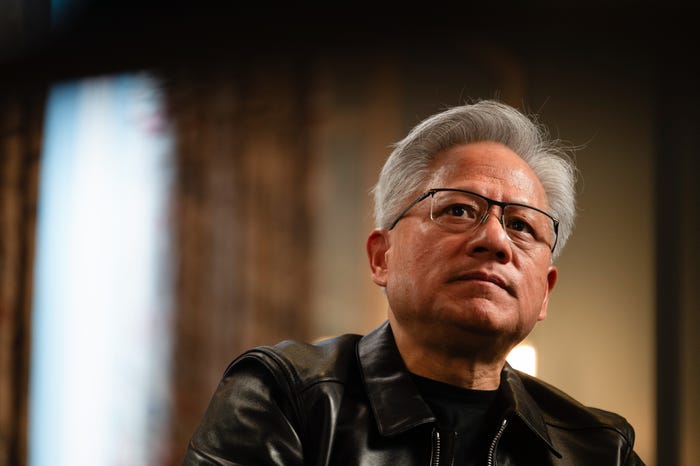
Jensen Huang, the CEO of Nvidia, is at the center of an investigation by the company’s board. They are probing whether he was targeted by a foreign intelligence operation. The incident involves Huang’s admission of having an affair, raising concerns over corporate secrets and national security.
Fred Burton, a former US Diplomatic Security Service agent, notes that China’s Ministry of State Security and People’s Liberation Army are known for their aggressive, long-term strategies. This situation highlights the potential risks for executives with sensitive information. They must be vigilant about the people they become involved with.
The Subtle Art of Deceptive Relationships
Will Geddes, founder of International Corporate Protection Group, explains that successful intelligence operations rarely start with obvious moves. Instead, they involve detailed research into a target’s life, such as their travel habits, hobbies, and personal weaknesses. Operatives meticulously plan how to form a connection, often through trusted mutual contacts.
In this case, Alice Huang, not related to Jensen, is allegedly involved. She is reportedly a former executive at a company that works with Nvidia. US officials suspect she was a Chinese intelligence asset. However, China’s foreign ministry denies these claims.
Photos of Jensen and Alice Huang together date back to June 2024, seen at industry events and shared on platforms like WeChat.
Identifying Potential Red Flags
“The best intelligence officer rarely appears like a spy,” says Eric O’Neill, a former FBI counterintelligence operative. He advises verifying new acquaintances’ backgrounds thoroughly before letting them into your circle.
Essential measures for executives include using separate personal and corporate devices, maintaining multifactor authentication, and conducting background checks — although these are seldom done unless specifically requested.
O’Neill emphasizes awareness of suspicious behaviors, like a partner initiating contact, moving the relationship quickly, or seeking excessive access.
Learning from the Past
Documented cases of corporate leaders being seduced by foreign spies are few. One example includes ex-Army officer David Slater, who leaked information to someone posing as a Ukrainian woman and was sentenced for his actions.
The case of Christine Fang, who reportedly built close relationships with US politicians, further exemplifies the use of personal connections in intelligence gathering.
The ongoing scrutiny of Jensen Huang’s situation has affected market perceptions and raised questions about his future role. According to Burton, it’s a warning to tech companies about the persistent threat from hostile entities.
“Old espionage tactics remain effective,” O’Neill concludes.