
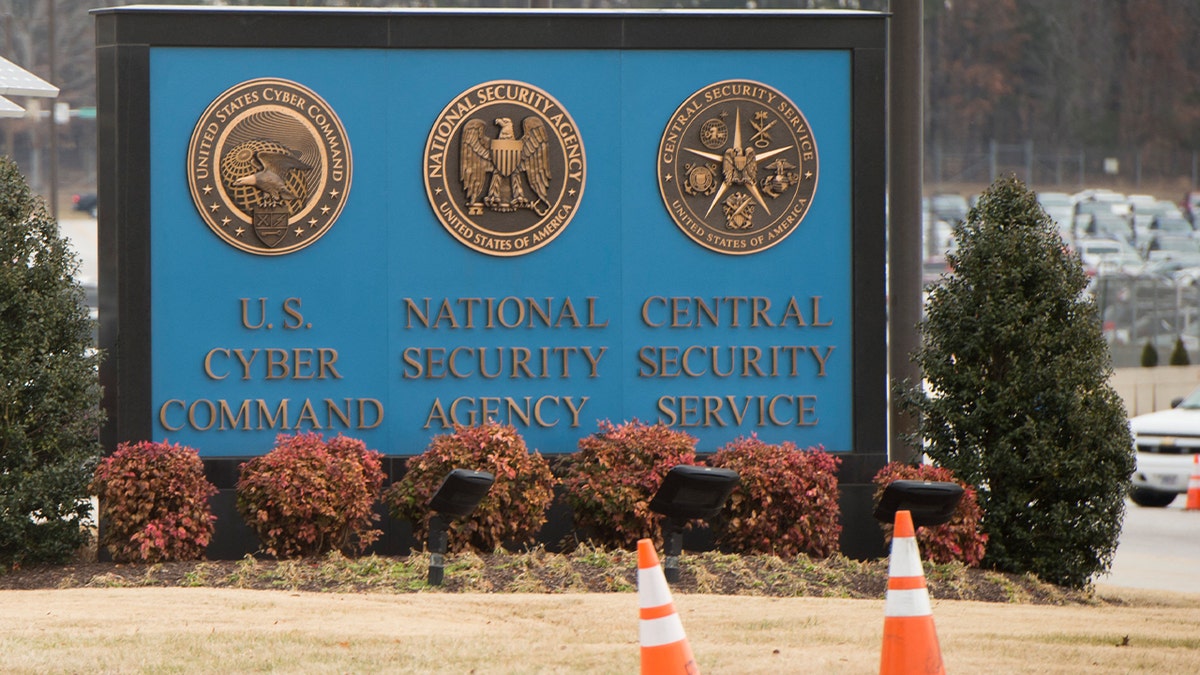
Efforts by U.S. adversaries to disrupt critical infrastructure have been ongoing, and recent technology disruptions highlight potential vulnerabilities. These interruptions have affected sectors ranging from banking to the National Security Agency, causing speculation about possible connections between incidents. However, officials from the Trump administration have dismissed the idea of a coordinated cyberattack.
Experts warn that while these outages may not signify malicious activity, they stress the importance of securing systems that support vital operations. Tommy Waller, a national security expert with the Center for Security Policy, emphasizes that modern warfare often targets critical infrastructures.
Recently, several technical disruptions struck key sectors within a six-day period: Microsoft 365, commercial air travel, payroll systems, banking transactions, and the NSA’s communications network. Notably, a nationwide ground stop on all commercial flights occurred, marking the second instance since the September 11 attacks.
Jay Clayton, Director of National Intelligence, stated that there was no cyberattack or coordinated effort by a nation-state. Similarly, Homeland Security Secretary Markwayne Mullin asserted that these were not cyberattacks, suggesting technical failures might become more frequent with new technology.
The disruption at the NSA, however, has drawn specific attention. Steve Bucci, a cybersecurity expert, points out the significance given that the NSA’s systems usually operate independently of others. A U.S. official attributed the NSA’s network issues to routine maintenance.
While these disruptions may have different explanations, the persistence and scope are concerning. Daniel Hoffman, a former CIA station chief, explained that institutions experiencing outages remain targets for foreign adversaries and cybercriminals.
In July, hackers compromised over 30 municipal water systems in Minnesota, part of a broader pattern of attacks across several states. Federal investigators looked into possible Iranian involvement.
The Pentagon is actively preparing for potential infrastructure failures amid conflict. The FORTRESS initiative aims to ensure military bases can sustain operations without outside support for 90 days.
China’s military writings often consider attacks on civilian infrastructure during conflict, which Waller argues should prompt the U.S. to recognize these broader threats.
Last year, U.S. agencies warned about Chinese hackers, known as Volt Typhoon, targeting communications, energy, transportation, and water systems. Despite efforts to dismantle their infrastructure, the group continues its activities.
Bucci explains that adversaries might not want to cause visible failures, preferring to implant hidden threats for future use.
To maintain confidence in systems, there are calls for increased transparency from both federal officials and private companies managing critical infrastructure.