
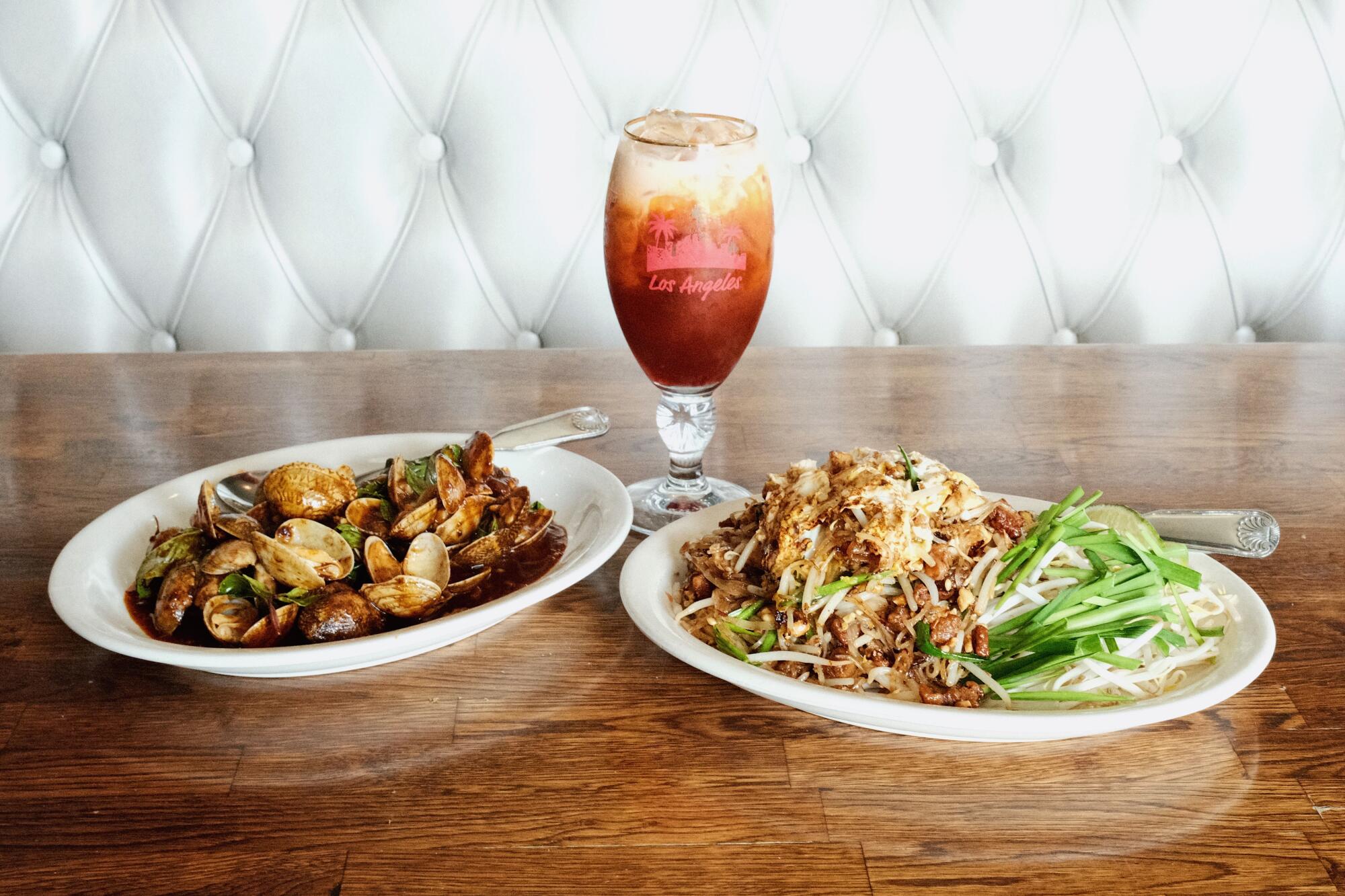
The relationship between small restaurants and social media influencers often involves trade-offs. Recently, a controversy unfolded between Hollywood Thai, a family-driven restaurant, and Christian Garcia, a social media influencer with over 1.5 million followers.
Hollywood Thai compensated Garcia with $500 and nearly $100 worth of food for a single Instagram post. However, the post didn’t appear quickly. The restaurant expressed their frustration online, which stirred widespread criticism of Garcia. This incident reflects the inherent difficulties when small establishments engage influencers to attract attention. Especially in a strained restaurant industry with scarce resources.
Restaurateurs have varying experiences with influencers. Some consider it useful marketing, while others find it challenging to gauge the impact of such efforts. Mahidol “Joe” Pimpa, owner of Hollywood Thai, faced declining business since the pandemic. To address this, they partnered with influencers, compensating them with meals and modest fees.
“Taking advantage of any business really is not great, but a small, family-owned business? It’s so low, to me,” remarked Grace Lee, Hollywood Thai’s social media manager.
According to Garcia, the delay was a mix-up, claiming Joe Pimpa mentioned there was no urgency for posting. However, Garcia’s video editor prompted further delays, followed by a period of non-communication.
This tug-of-war affected others, too. Relentless Brewing and Spirits experienced a similar issue with influencer Richard Lee. Despite providing $1,200 in goods and compensation, Lee delayed posting agreed-upon content. When the issue became public, Lee eventually refunded the business and posted the video. Another scuffle involved influencer twins Sarah and Leah Marie Talabi and the Echo Park restaurant Men & Beasts.
Men & Beasts owners, Alex Falco and Minty Zhu, were promised posts for a meal valued at $500. Yet, Talabi delivered only fleeting Instagram stories. When the restaurant queried the promised content, they received no response.
“For $500 of that to be gone to an influencer who didn’t come through with the content she promised is a big, big blow,” Falco said.
Despite these challenges, many restaurants, including Men & Beasts, remain open to collaborations with influencers. They acknowledge that reaching new customers without extensive marketing budgets necessitates such partnerships.
While they have altered approaches, requiring more discernment, both businesses plan to continue using influencers for marketing. Pitfalls aside, Falco asserts, working with influencers can be crucial for small restaurants aiming to extend reach.