
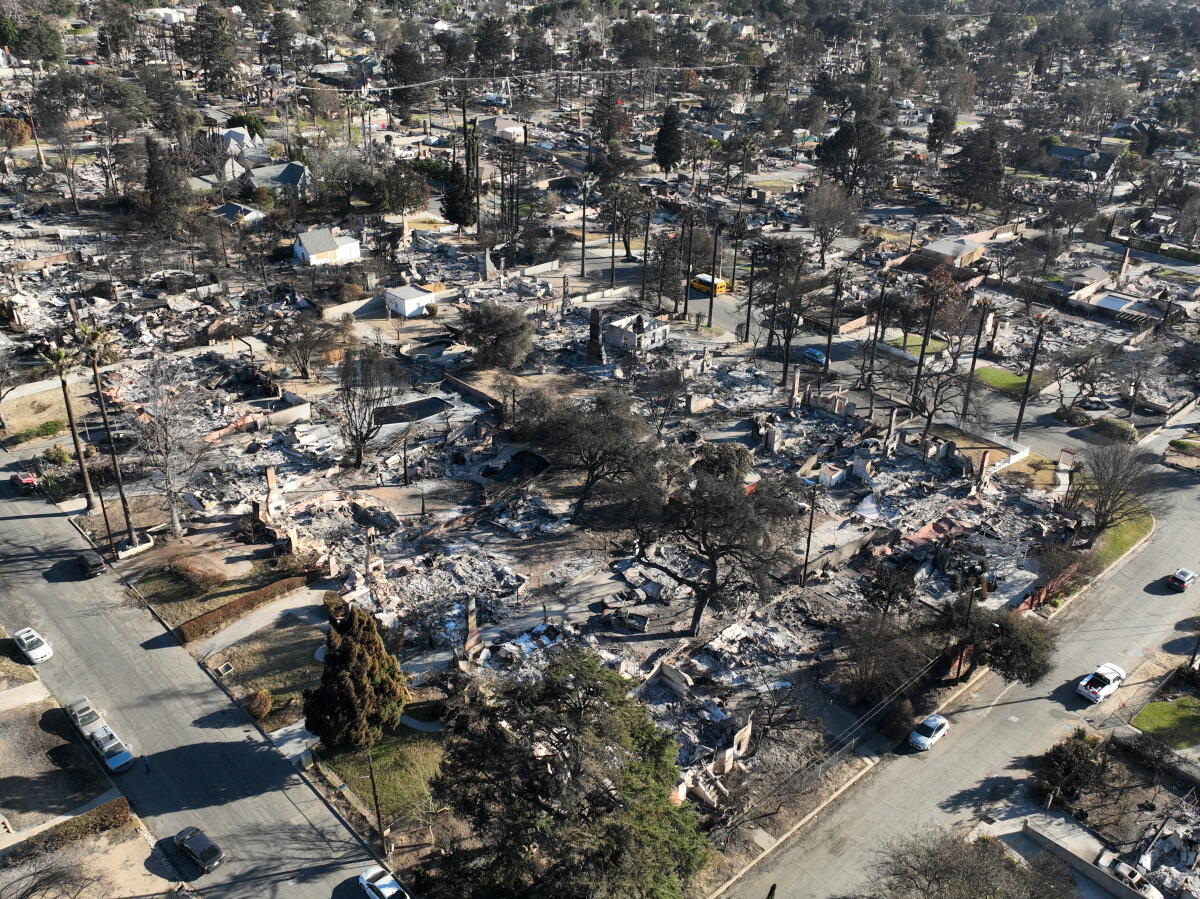
Background of the Eaton and Palisades Fires
The fires in Eaton and Palisades resulted in the deaths of 31 individuals and the destruction of over 16,000 structures. Survivors expressed frustration with initial investigations that overlooked the failures of Los Angeles city and county agencies.
Key Findings from an Independent Investigation
A comprehensive report by the UL Research Institutes’ Fire Safety Research Institute, commissioned by Gov. Gavin Newsom, provides an in-depth review of the incidents on January 7, 2025. This report highlights significant shortcomings in governmental planning and response efforts. The document confirms previous reporting about delayed evacuation alerts in a historically black neighborhood and the ongoing smoldering of the Pacific Palisades fire.
Challenges in Crisis Response
The report details the chaotic nature of the response, with poor communication exacerbating an already volatile situation. In the Eaton fire, reports of a critical ember-storm were not passed on to commanders. When fire reports reached them, evacuation orders were delayed by over an hour.
Palisades Fire: Neglect and Mismanagement
The LAFD received several warnings about the smoldering Lachman fire which were ignored. The report found a failure to reassess the fire area with upcoming critical fire weather, demonstrating a lack of effective mop-up procedures.
Communication Breakdowns
The investigations reveal communication failures that hampered firefighting efforts. In west Altadena, evacuation alerts were delayed, with critical information not reaching the incident command center in time.
Independent Actions and Fatal Outcomes
Emergency communication failures led to independent action without incident oversight. Calls to 911 did not route through the operations section chief, missing early views of the fire’s westward progression. Late evacuation alerts resulted in many deaths.
LAFD Operational Failures
Significant issues were noted in handling the fires in Pacific Palisades. Inexperienced leaders and disconnected communication with more experienced agencies hampered the response. The LAFD pre-deployment of fire crews was inadequate, impacting the initial and extended responses.
Coordination and Response Flaws
Multiple misunderstandings between city agencies were noted. The LAFD and LAPD operated in parallel, leading to discrepancies in evacuation maps. Command relocation due to fire proximity further complicated operations.
Impact and Recommendations
Firefighters responding to 911 calls independently created inefficiencies. A lack of trust in command staff was evident, necessitating a review of preparedness and operational effectiveness.
The FSRI report recommends fostering a culture of open communication where firefighters can express safety concerns, and continuous evaluation of potentially risky sites during critical fire weather.