
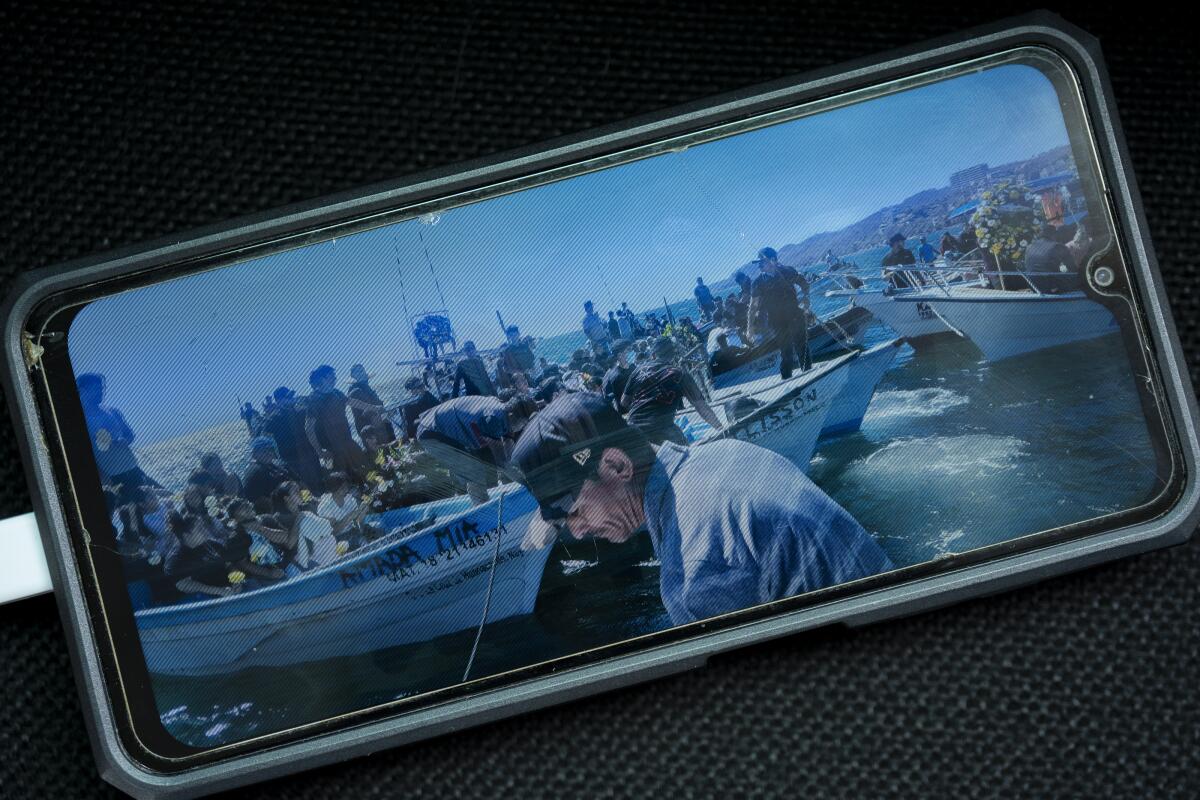
Before dawn in mid-February, two boats with eight fishermen departed from Mexico’s Pacific coast. The men never returned. Hired by drug traffickers to assist in cocaine smuggling, they were reportedly killed in U.S. military airstrikes. The U.S. claimed the strikes targeted ‘narco-terrorists’ in the Pacific. The fishermen came from La Cruz de Huanacaxtle, a village near Puerto Vallarta.
During the memorial for the fishermen held at sea, mourners gathered, many cracking open beers and singing in tribute.
These strikes highlight the growing maritime narcotics trade, which has involved some Mexican fishermen. Fishermen fear being misidentified due to these incidents. Residents acknowledged the deceased men were engaged in illegal activities.
The strikes are part of the Trump administration’s campaign against purported drug traffickers, killing 221 people since September. The offensive has drawn criticism for being ineffective and illegal. Mexican mariners’ deaths have gone largely unreported and unremarked by both Mexican and international authorities. The Mexican government and public have questions about these strikes’ legality and ethics.
The situation exposes the complexity of U.S.-Mexico relations concerning drug trafficking. Mexican fishermen supplement their income by working with cartels, transporting fuel for drug boats and often informing family members of those killed.
Before their deaths, the men were known for their upgraded homes and cars, financed by extra incomes from smuggling. Although risky, the financial pressure drove them to transport illegal goods. Fishermen’s reliance on drug trafficking is driven by economic desperation, especially where traditional fishing earnings are dwindling.
The Mexican government has been criticized for inadequate law enforcement in coastal regions. The strikes remain largely unnoticed, though they prompt dilemmas on whether they constitute extrajudicial killings. Recent arrests and seizures underscore the transnational nature of the drug trade, involving people from various countries.
The U.S. maintains that drug cartels are legitimate military targets. Yet, human rights advocates and legal experts argue that such measures breach laws on the use of force, with no clear criteria for targeting.
In La Cruz de Huanacaxtle, locals reject claims that the fishermen posed a threat to the U.S. They stress that while the job was illegal, it did not justify their deaths. Fishermen in these areas now live in fear of inadvertently becoming targets during their fishing trips.
Despite the strikes, cocaine prices on U.S. streets remain stable, and border seizure rates have seen little change. Many question the effectiveness of current U.S. strategies.
Contributor Cecilia Sánchez Vidal provided special correspondence from Mexico City.