
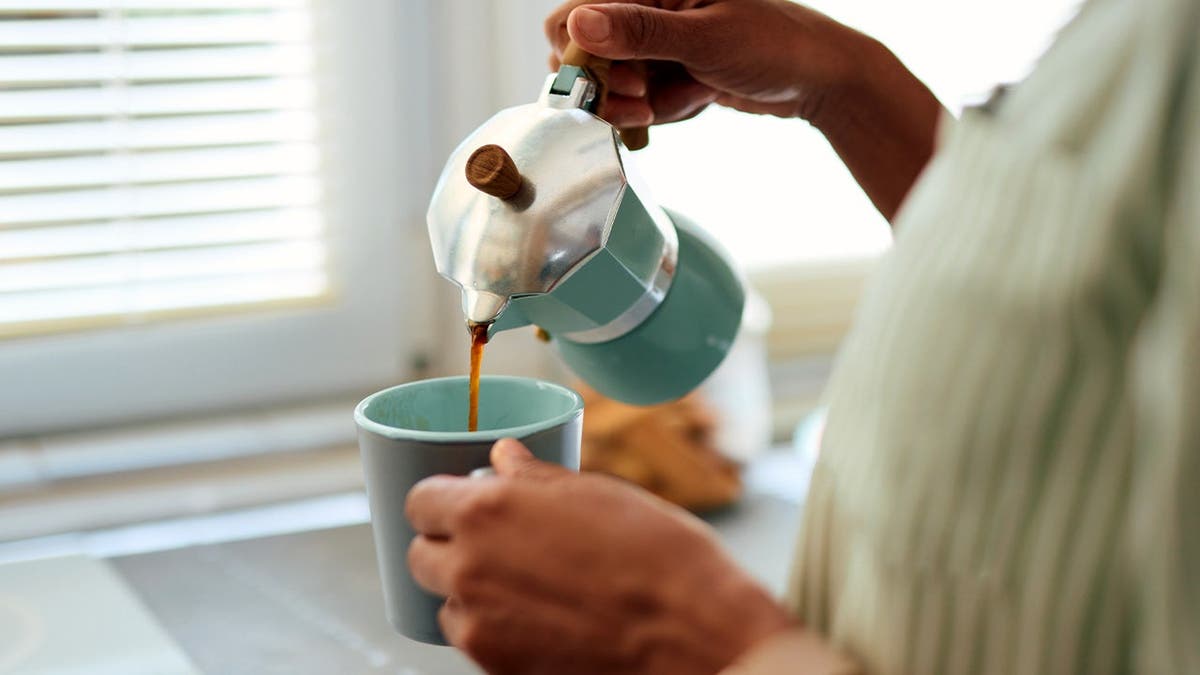
Recent research from Flinders University suggests that women who frequently consume coffee should reconsider their beverage choices—opting instead for tea may be beneficial. The study, published in Nutrients, indicates that high coffee consumption might relate to lower bone mineral density (BMD) in postmenopausal women.
Examining data from 9,704 women aged 65 and older over a decade, researchers measured BMD at the femoral neck and hip, common sites for osteoporosis-related fractures. Their analysis revealed that while tea consumption correlates positively with total hip BMD, excessive coffee intake—more than five cups daily—correlates with reduced BMD.
The study highlighted distinctions arising from health and lifestyle factors. Increased coffee intake correlated with lower femoral neck BMD among women indulging in higher alcohol consumption. Conversely, the beneficial tie between tea and bone density appeared stronger among women with obesity.
Osteoporosis, characterized by low BMD, poses a significant public health challenge impacting individuals across various ages, genders, and ethnicities. Worldwide statistics indicate that about one in three women and one in five men over 50 suffer from osteoporosis-related fractures.
In the U.S., projections show a rise of 17.2 million adults over age 50 experiencing reduced BMD in the hip or spine by 2030, intensifying healthcare costs and long-term impairments related to osteoporosis-related fractures.
While coffee enthusiasts need not completely abandon their drink of choice, they should be wary of exceeding five cups per day due to potential adverse effects on bone density.
“Compounds called catechins in tea may enhance bone formation and slow degradation,” stated study co-author Ryan Liu. “Caffeine in coffee, albeit slightly interfering with calcium absorption and bone metabolism, can be mitigated by adding milk.”
Liu emphasized that moderate tea consumption could support bone health. However, excessive coffee intake might be detrimental, especially for women who consume alcohol.
Symptoms of osteoporosis and early bone loss include back pain, reduced height, and stooped posture, according to the Mayo Clinic.
Steps to prevent bone loss and maintain bone health consist of consuming calcium-rich foods like dairy, leafy greens, and canned fish with bones. Adequate vitamin D is crucial for calcium absorption, alongside regular exercise—specifically weight-bearing and strength-training activities. Balance exercises are also recommended to lower fall and fracture risks.
Teresa Mull, a freelance contributor to Fox News Digital, offers insights into lifestyle topics.