
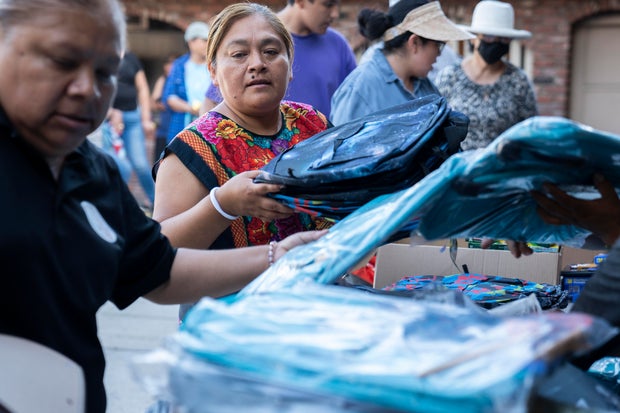
Norma Gómez faced a heartbreaking scene when a young girl asked if she could bring her mother back, staring up with hopeful eyes from a doorway. Based in Oxnard, California, Gómez works on community initiatives aimed at supporting immigrant families who experience disruption from immigration enforcement. This scenario unfolded during a December morning when she’d arrived with essential supplies for the children left in the care of a neighbor after federal agents detained their parents.
The arrest represents a broader impact on immigrant families since policy changes under President Trump. As of April, an estimated 205,000 children have had parents detained by immigration authorities. Such separations lead to psychological harm, destabilizing families and pushing caregivers into difficult positions to secure basic needs for the children. Some children are left to fend for themselves, contributing to broader issues of emotional distress and anxiety.
Millions of children face threats to their health and well-being due to policy shifts which reduce access to essential benefits like medical care and food. Fear of enforcement leads many parents to avoid public spaces, impacting children’s education, health, and social engagement. The emotional toll includes increased bullying and anxiety over ICE racial profiling.
Approximately 1 in 4 U.S.-born children have immigrant parents, with 4.6 million having a parent lacking legal status. Addressing the long-term harm such policies might cause is a concern for experts like Wendy Cervantes from the Center for Law and Social Policy. The stress can potentially hinder education and health outcomes, affecting their growth into stable adults.
President Trump’s administration prioritizes reducing immigrant presence, which it argues saves resources and restores integrity to immigration systems. However, studies indicate mass deportations harm U.S. workers. Policies aimed at restricting birthright citizenship and limiting temporary protected status affect thousands, including U.S. citizen children.
Critics point to the harm done to young immigrants and their families. The administration’s stance includes asserting such policies protect American citizens, though data shows immigrants integrate rapidly and rely less on welfare than natives. The rollback of public support programs and stringent green card regulations heighten risk for families, leading some to disenroll children from support systems.
The psychological impact on children separated from parents—some of whom were smuggled—raises concerns among critics, challenging the administration’s narrative focusing on border trafficking.
The traumatic effects on children can manifest as long-term health issues, including anxiety and cardiovascular disease, contributing to significant social costs. The federal government estimates healthcare spending linked to childhood trauma reached $292 billion in 2021.
Emmanuel, a child in Oxnard, exemplifies such anxiety, fearing for his father’s safety as a farmworker. He worries about potential detentions affecting his family’s stability—an apprehension shared by many in immigrant communities, leading to increased mental health issues among youth.
Community response has been critical in addressing these challenges. Organizations provide food, therapy, educational supplies, and emergency childcare plans to support affected families. Giselle Gonzalez recounts community actions signaling ICE presence to mitigate risks. Academic experts argue for humane policies, with programs like the Family Case Management Program—a previously terminated initiative under President Obama—highlighted as models for supporting families while enforcing immigration laws.
Morale remains threatened by fears of separation, though community solidarity offers resilience. Support networks aim to hold families together through advocacy and practical assistance, suggesting alternative paths to achieve immigration enforcement without disruptive impacts.
Norma Gómez leads community efforts amidst these challenges, her role underscoring the urgent need for comprehensive policies that consider the ongoing impacts on immigrant families. She represents part of an advocacy force striving to safeguard the future of children amidst uncertain conditions.