
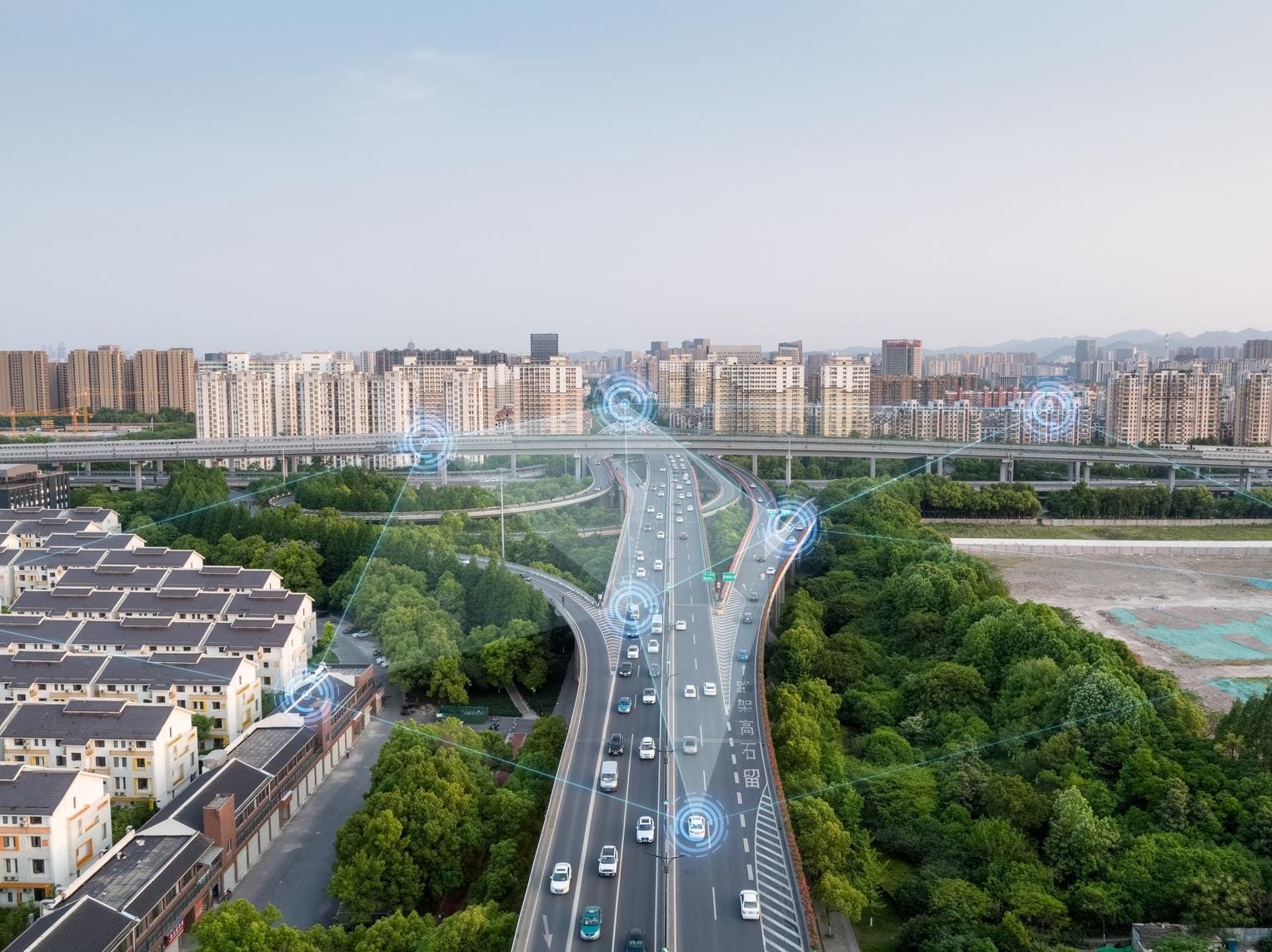
AI agents provide a powerful solution for enhancing the efficiency of urban management. For city leaders, these agents create opportunities to design public services that prioritize speed, coordination, and practical results.
By integrating AI, cities can automate routine tasks, allowing human workers to focus on more complex issues. This leads to better resource allocation and improved service delivery. For example, AI can optimize waste management routes, reducing costs and increasing efficiency.
Moreover, AI agents can improve communication between various city departments. This ensures quicker responses to emergencies and better coordination during large-scale events. Such integration helps in reducing response times and mitigating the impact of disasters.
AI’s ability to analyze large datasets can assist in city planning and development. By providing insights into traffic patterns and energy consumption, urban planners can make informed decisions to improve infrastructure and reduce congestion.
Ultimately, the implementation of AI agents in urban settings holds the potential to create smarter cities that respond dynamically to the needs of their residents.