
In 2014, The Imitation Game hit theaters, telling the story of Alan Turing’s pivotal role in breaking German codes during World War II. The film, a box-office success, portrayed a techno-optimist narrative, celebrating Turing’s contributions to Allied victory.
Fast forward to today, and the tone in cinema has shifted. This fall, a new selection of films critique the tech industry’s influence over the past decade. These films suggest that tech leaders, such as Mark Zuckerberg, Elon Musk, Elizabeth Holmes, and Sam Altman, have exacerbated societal issues rather than solve them.
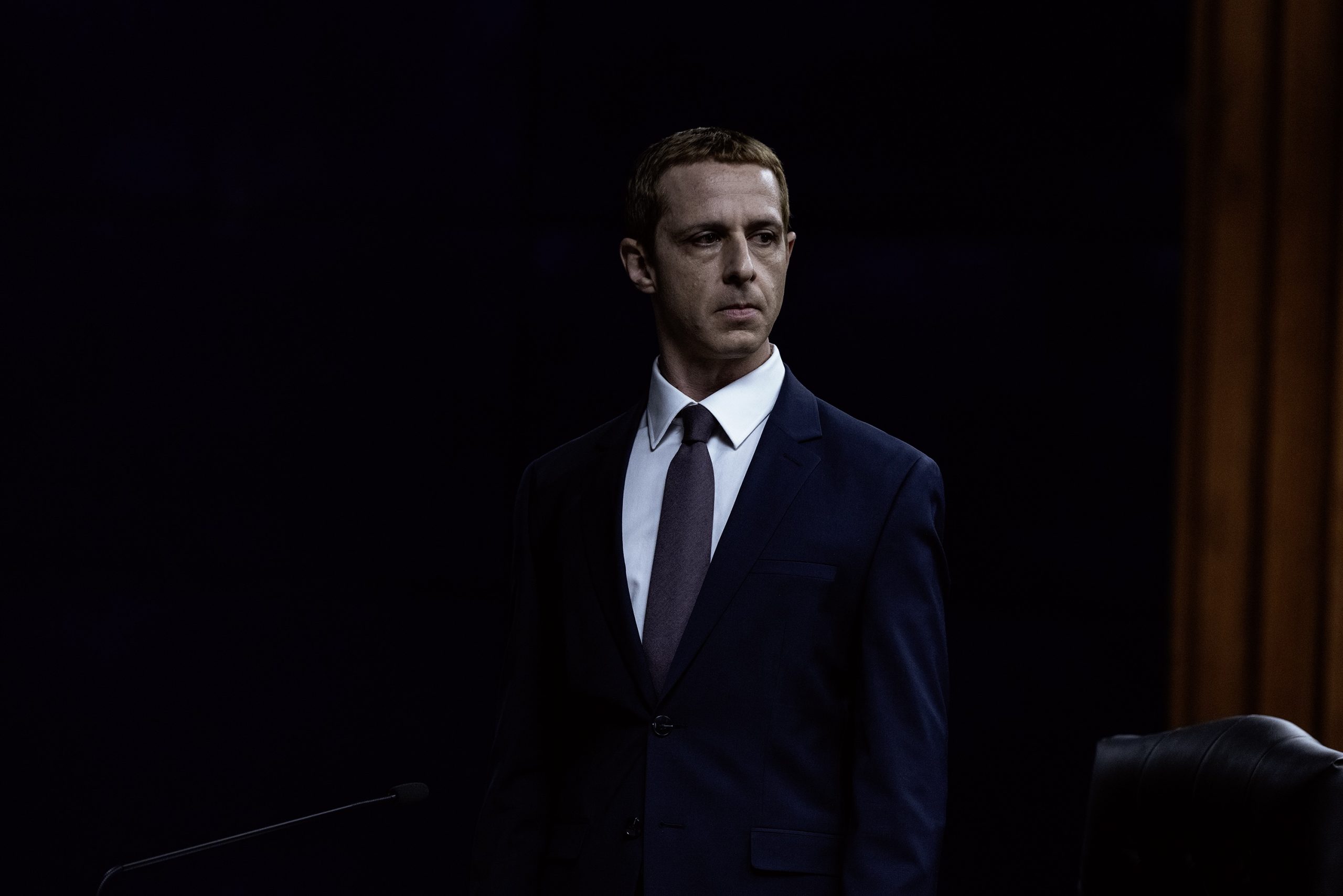
The Social Reckoning, for instance, portrays Zuckerberg’s role in amplifying violent extremism and calls for accountability. Other films like Musk and Artificial explore the risky behaviors and ethical concerns surrounding prominent tech figures. These films argue that the tech industry’s drive for growth often comes at the expense of ethical considerations.
Tech and Hollywood Mythmaking
The storytelling approach of these films contrasts sharply with earlier portrayals of tech figures. Alex Gibney’s Musk is a detailed documentary examining Elon Musk’s corporate escapades. Aaron Sorkin’s The Social Reckoning presents a dramatic narrative of Frances Haugen’s disillusionment with Facebook. You Can See Everything highlights the complex character of Elizabeth Holmes as she faces imprisonment.
These films question why tech leaders are perceived as flawed antiheroes, suggesting that their actions stem from a more calculated and self-serving mindset. The films argue these leaders prioritize rapid growth and profit over ethical concerns.
AI Anxiety
As tech leaders shift focus to AI, these films highlight the potential dangers. The documentary NAZA shows how AI can transform warfare, while Musk and Artificial present more apocalyptic scenarios. The stakes are high—AI’s integration into society relies on public acceptance.
This Time, It’s Personal
Despite mixed box-office performances, these films aim to offer a rigorous look at the character of tech titans. The ultimate impact remains uncertain, as tech companies control much of the media landscape. This includes film studios and social media platforms, potentially stifling critical narratives.
These new films conveying skepticism may influence how audiences perceive AI and tech leaders. However, with tech companies retaining strong corporate influence, Hollywood’s cautionary tales resonate with a sense of urgency. The industry grapples with its role in an era increasingly dominated by tech.