
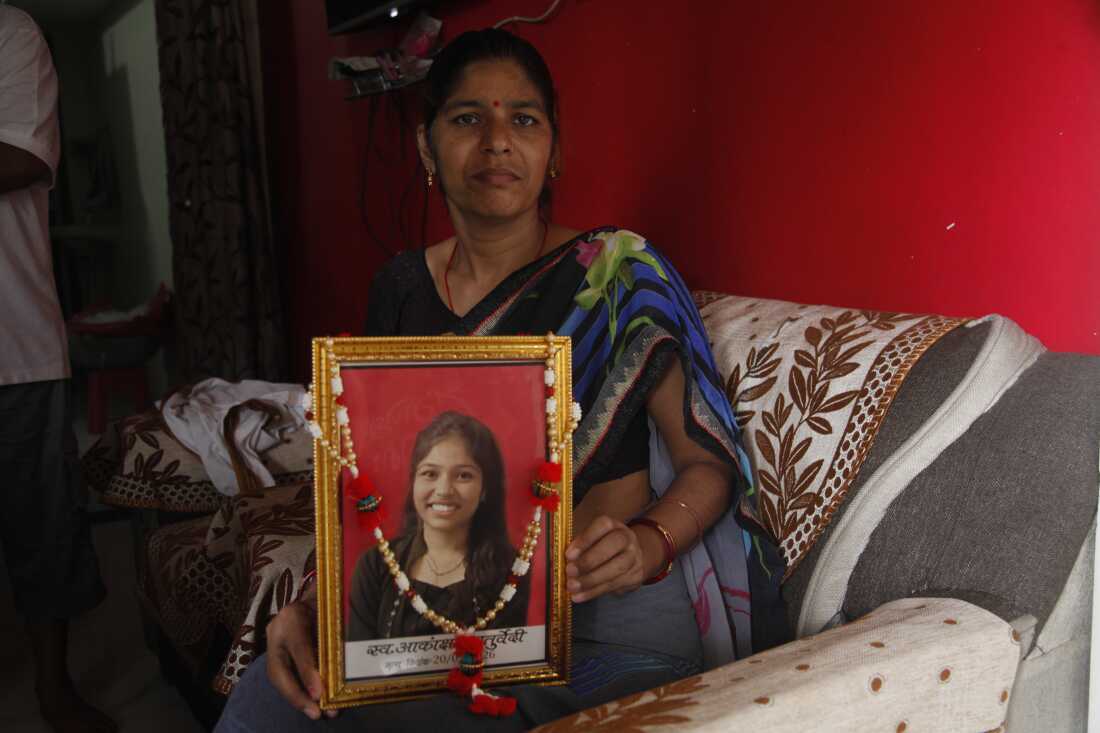
NAGPUR, India — Neelum Chaturvedi holds a cherished photograph of her daughter Akanksha, an 18-year-old who died by suicide in May. The tragedy followed the sudden cancellation of her medical exam results by authorities, citing leaked exam questions. Akanksha, haunted by the pressure of retaking the test, penned a poignant note to her parents, expressing her fear and apology for not fulfilling their dreams.
Akanksha’s death is among several that have ignited protests against Prime Minister Narendra Modi’s government. Reports indicate that the education ministry voided the results of a crucial medical college entry exam taken by 2 million students. The new test challenged students competing for only 30,000 spots, amplifying the already intense pressure.
Intense Pressure on Students
Akanksha’s farewell note mirrored those of other students, revealing the immense stress these exams impose. The Hindu newspaper noted a sharp increase in student suicides, from 8,068 in 2014 to an estimated 14,488 by 2024. High-pressure exams are blamed for a significant portion of these tragedies.
The Indian education system, affecting over 200 million students, confronts significant challenges. The Indian Express reports a decline in government spending on education, now at 2.5% of the budget. Simultaneously, public school enrolment decreases as families turn to private institutions, leaving the poorest without options. Success in university and job exams often necessitates expensive coaching that many families cannot afford.
Critics highlight the vast industry of coaching centers. Maheshwer Peri, an education policy critic, states that 95% of successful exam takers come from such centers. However, this industry remains largely unregulated, lacking clear data on enrollments and student success rates. The success stories showcased are a minority, leaving many families burdened by debt, mainly from loans associated with coaching centers.
Akanksha’s Story
Akanksha’s family relocated to Nagpur to access better educational opportunities. Akanksha excelled academically, aiming to be a doctor, a profession with great potential for economic progress in India. To support her ambitions, her family invested $910 in a course from Physics Wallah, financed mostly through loans. Her father’s health difficulties compounded their financial strain, driving them to sell ancestral land and borrow from relatives.
Despite the stress, Akanksha studied tirelessly for her medical entrance exam. The announcement of exam result cancellations devastated her. Her once bright demeanor faded, and she retreated into her room, ultimately leading to her tragic demise.
Protest Movement
Akanksha’s death contributed to nationwide protests. The outcry deepened following comments by Chief Justice Surya Kant, comparing unemployed youth to ‘cockroaches.’ Street protests, led by movements like the ‘Cockroach Janata Party,’ demanded accountability from the education ministry. The situation escalated after the arrest of a respected educator and aggressive police actions against demonstrators.
In response to the growing unrest, Prime Minister Modi vowed to address the exam leak. Amid continued protests, Education Minister Dharmendra Pradhan resigned. The government also promised compensation to affected families and initiated discussions on exam reforms. Yet, skepticism remains about the potential for real change, given the entrenched interests benefiting from the existing system.
Neelum Chaturvedi expresses her grief and frustration, feeling ignored by officials and unsupported by the government. Her family faces ongoing hardships, struggling to cope with both their loss and financial challenges.