
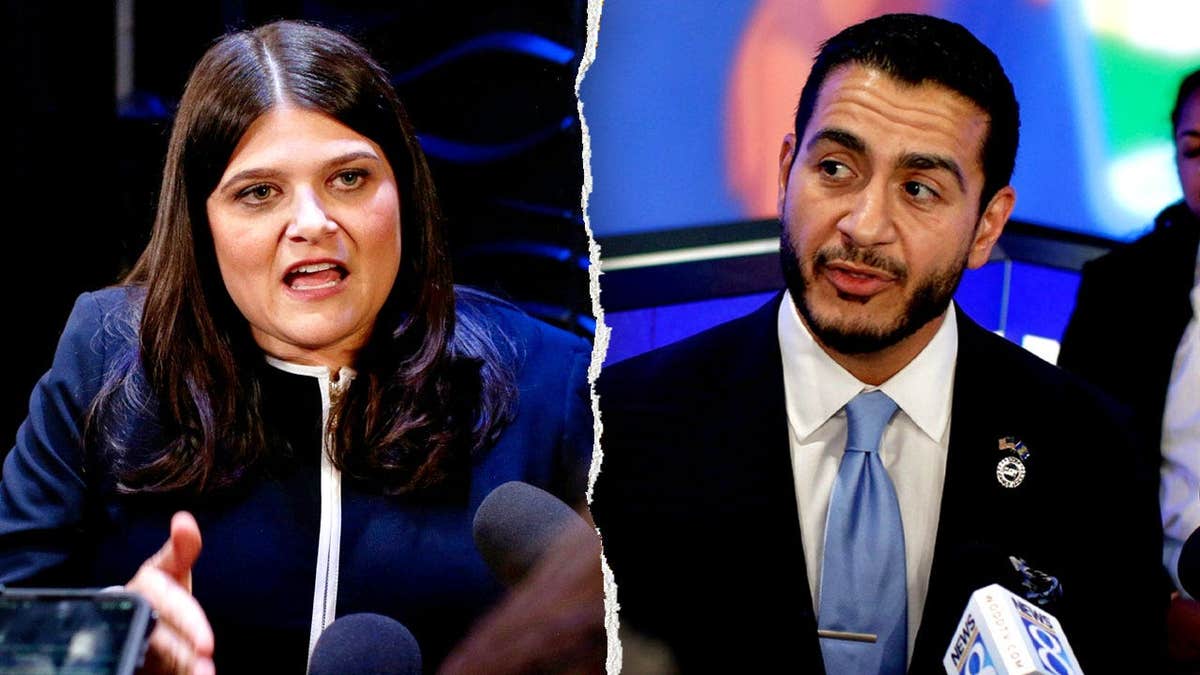
Michigan Congresswoman Haley Stevens has publicly backed Abdul El-Sayed after losing to him in the Democratic Senate primary. Her decision stems from a commitment to respecting voters’ choices, despite differing political views. Stevens remarked, “That’s called democracy. You don’t join the Democratic Party to hold grudges.”
Stevens’ support highlights the ongoing shifts within the Democratic Party. Progressive policies are gaining traction, challenging traditional stances. This creates a dynamic landscape as the general elections approach.
Retired Senator Gary Peters urged the party to unite against the progressive rival Abdul El-Sayed. Considering Peters’ endorsement of Stevens during the primary, this move reflects internal party strategies aimed at maintaining influence.
During the campaign, Stevens positioned herself as a Zionist Democrat. She emphasized her commitment to democracy, stating, “He [El-Sayed] won the majority of the votes.” Her moderate stances, which include endorsements from the U.S. Chamber of Commerce and the AFL-CIO, distinguish her within her party.
El-Sayed, representing the party’s progressive side, advocates for policies like abolishing ICE and Medicare for all. Though he resists the socialist label, his policies reflect a clear progressive agenda.
Stevens differentiated El-Sayed’s views from socialism. She emphasized her identity as a “Democratic labor capitalist,” critiquing socialism as “dangerous.” Her focus on pragmatic solutions defines her legislative approach.
This endorsement highlights the ideological diversity within the Democratic Party. As primary elections unfold, these differences underscore the complex dynamics candidates must navigate.