
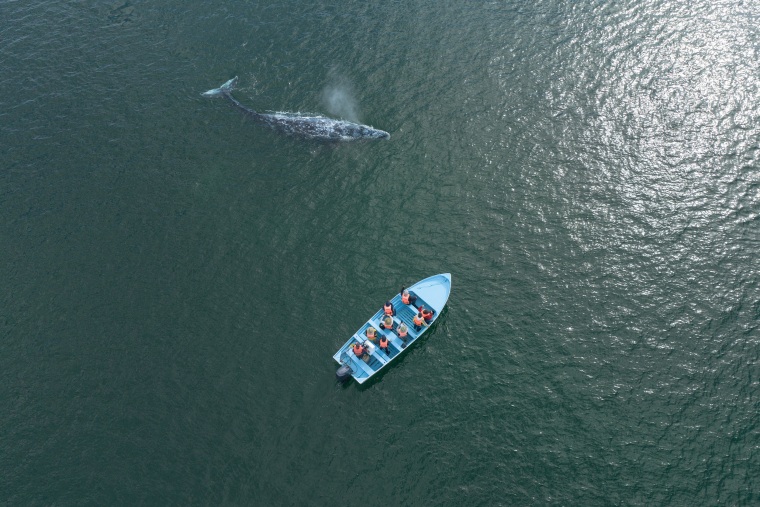
Since March 2026, the carcasses of 21 gray whales have washed ashore in Washington state, alarming researchers. John Calambokidis, founder of the Cascadia Research Collective, highlighted the species’ significant decline over the past seven years. Once a conservation success story, gray whales now suffer due to food shortages possibly linked to climate change.
The Impact of Sea Ice Changes
Global warming-induced changes in sea ice have disrupted the whales’ food chain. Algae, previously abundant on sea ice, would nourish amphipods on the seafloor, vital for whale diets. Earlier ice melting now favors phytoplankton growth, reducing nutrients reaching the seafloor, leading to less prey for whales.
Josh Stewart from Oregon State University’s Marine Mammal Institute noted the severity of the situation, doubting the Arctic will support 25,000 gray whales again. The whales, known for migrating from Mexico lagoons to Arctic feeding grounds, rely heavily on summer feeding. Failure during this season leads to energy depletion during their migration.
Signs of Desperation
Instances of whales appearing in unusual places, such as the Wilapa River, indicate desperation due to malnourishment. This poor condition affects their navigation, increasing the risk of starvation.
According to NOAA, the population declined from 27,430 a decade ago to 12,950 last summer, although Stewart warned this calculation might slightly exaggerate the fall.
Other Feeding Strategies
Gray whales exhibiting alternative feeding behaviors show some promise. The Sounders, for example, eat ghost shrimp away from regular Arctic routes. Additionally, over 200 whales, known as the Pacific Feeding Group, forage in coastal waters off Northern California, Oregon, Washington, and Canada. These groups display resilience amid broader declines.
Historical Context and Future Prospects
Gray whales faced population devastation due to 19th and 20th-century commercial whaling, falling to as few as 1,000. However, post-whaling bans and protections under the Marine Mammal Protection Act facilitated recovery, leading to their removal from the endangered list in 1994.
Stewart highlighted the uncertainty in assessing recovery. Despite no current extinction threat, the species is far from its once stable numbers following delisting from the Endangered Species Act.