
Gina Hinojosa, following her significant midterm win, will be sworn in as the governor of Texas on January 19. By then, she might already confront difficult decisions.
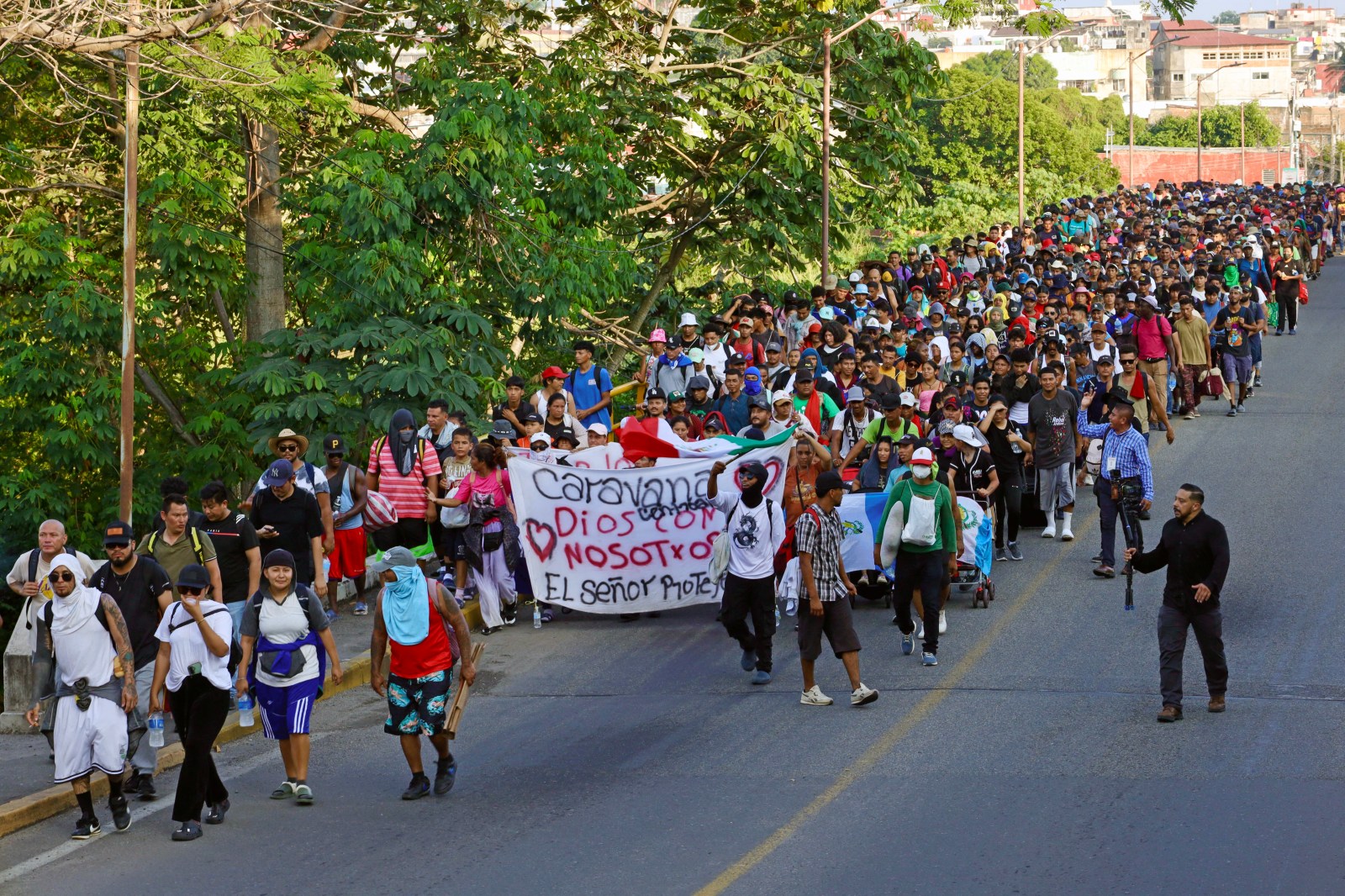
After defeating Greg Abbott, a group of around 2,000 migrants from Honduras, El Salvador, Guatemala, and Nicaragua began their journey north from Tapachula near the Guatemalan border of Mexico. The migrants anticipate a change in U.S. immigration policies post-midterms. Narciso Aparicio, a 73-year-old migrant, told Noticias Telemundo, “The word is that since Congress has changed, the border has to be open.”
Inherited Challenges
Hinojosa will inherit measures previously set by Abbott for handling border surges. These include deploying the National Guard, Department of Public Safety troopers, and renewing border disaster proclamations at least 69 times. She has criticized Operation Lone Star, a security initiative with an $11 billion price tag, labeling it “political theater” and has pledged to reassess it.
Migrant caravans typically do not reach Texas in one massive influx because Mexican authorities tend to break them up. Previous dissolutions of caravans in Chiapas involved issuing transit documents, allowing onward travel through Mexico. Some migrants plan to seek work in northern Mexico, awaiting U.S. policy changes before attempting entry.
Varying Perspectives
Opinions differ on the migration issue. Some hold that the U.S. border remains secure. Customs and Border Protection data indicate 98,708 arrests at the southwest border in fiscal 2026, compared to over 1.8 million annually under President Biden. Homeland Security emphasizes a lack of recent releases into the U.S. Immigration attorney Kathia Quirós states, “The border remains extremely closed.” Most migrants who reach it face detention and likely deportation.
Hinojosa acknowledges the importance of border security, yet questions the cost-effectiveness of current measures. The Texas Legislature approved $3.4 billion for border security. Kristin Etter from the Texas Immigration Law Council highlights the need for states to make resourceful choices within their financial limits.
On-the-Ground Realities
Mexico’s approach to caravans often involves relocating migrants northward. Recent caravans from Honduras covered about 160 miles in three weeks, with dissolutions involving official transport in exchange for transit documents. Strategies like these show a willingness to continue toward potential opportunities in the north.
Nicaraguan farmworker Álvaro José Vanegas Estrada shared his plan to reach northern Mexico first. He aims to work there while waiting for U.S. policy shifts. If others anticipate similar changes, more may follow.
Time Constraints and Political Dynamics
Hinojosa might face early decisions on disaster declarations. Texas law requires renewal every 30 days, setting a potential first decision on Abbott’s proclamation shortly after her inauguration. Democrats prefer to revoke it, with Attorney General-elect Nathan Johnson pointing to past abuses of emergency powers by Abbott.
Trump has asserted continuation of his policies if Texas retracts troops. In addition, border counties that supported Hinojosa flipped between parties recently, impacting her administration’s approach.
Hinojosa’s handling of Operation Lone Star will likely be scrutinized. Rising CBP figures or increased migrant presence could affect decisions regarding Abbott’s initiatives. The governor’s choices will occur under public and political observation, amplified by Trump’s promise of intervention.