
A school district in Georgia has taken action to remove Toni Morrison’s novel The Bluest Eye from its public school libraries. Concerns about explicit content, including depictions of child rape and incest, led to its removal in Cobb County, the state’s second-largest school district. This book is now among over 30 titles removed since 2023 as part of an initiative to eliminate sexually explicit materials from K-12 media centers.
District Rationale and Free Speech Concerns
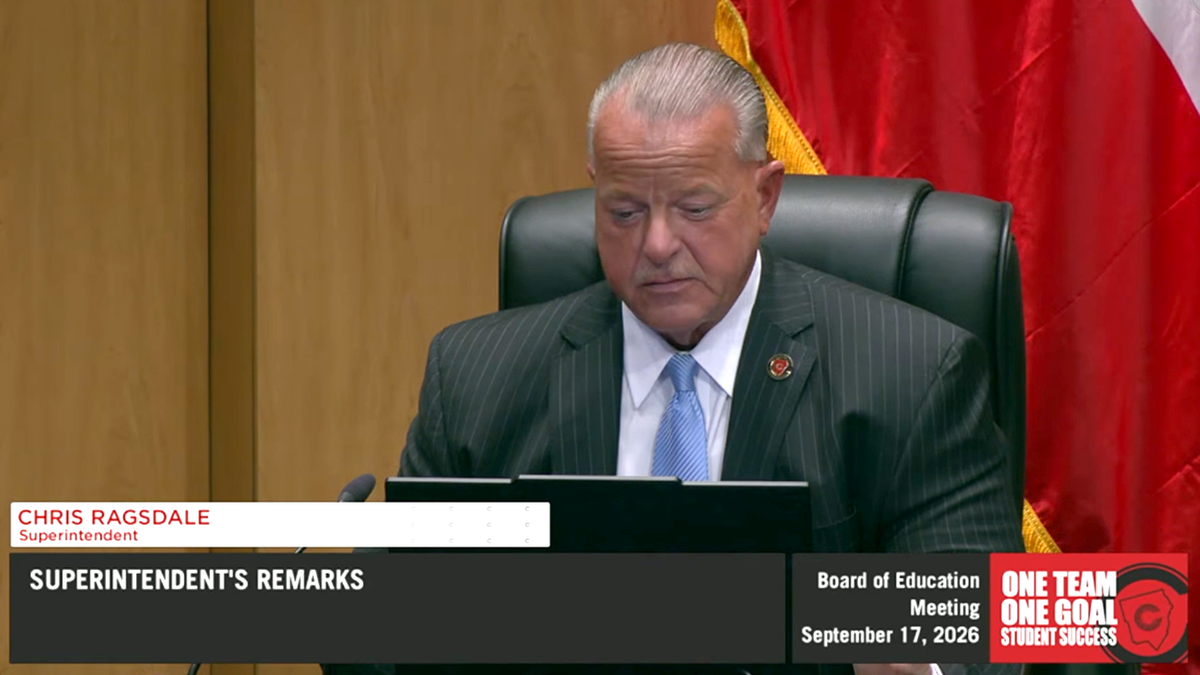
The district’s leadership, including Superintendent Chris Ragsdale, insists this move is meant to safeguard students and allow parents to decide what their children are exposed to. Free-speech advocates view this as censorship, arguing it limits students’ access to important literature. Ragsdale compares the book removals to not showing R-rated movies in classrooms, emphasizing parents should make such decisions.
During a board meeting, Ragsdale shared explicit content from the book, highlighting the challenges of explaining such content to young students. He expressed the difficulty parents might face if their children encounter disturbing descriptions without prior parental consent.
Context of the Book Removals
The Bluest Eye is not the only book affected. Several others, including A Court of Thorns and Roses series, The Perks of Being a Wallflower, and Thirteen Reasons Why, have also been removed. The district specifies these removals target books with sexually explicit descriptions. Ragsdale noted that Morrison’s other works are still available within the district.
Arguments from Parental Advocacy Groups
Moms for Liberty, a parental advocacy organization, supports Ragsdale’s actions. Tina Descovich, its CEO, argues that schools have the right to decide on the content suitable for young students. The group believes the book’s removal protects students and that reading lists should not surprise parents unexpectedly.
Criticism and Opposing Views
Kasey Meehan from PEN America criticized the decision, noting that Morrison’s works are often targeted by highlighting specific excerpts without considering the overall narrative. Meehan argues that books dealing with complex topics can provide valuable lessons about consent and relationships for young readers. Restricting access across the entire district, Meehan suggests, discourages educational integrity and the expertise of educators and librarians.
Censorship, Meehan warns, rarely ends with one book. She suggests that districts showing readiness to ban one title might go on to restrict more, impacting the range of available literature for students.