
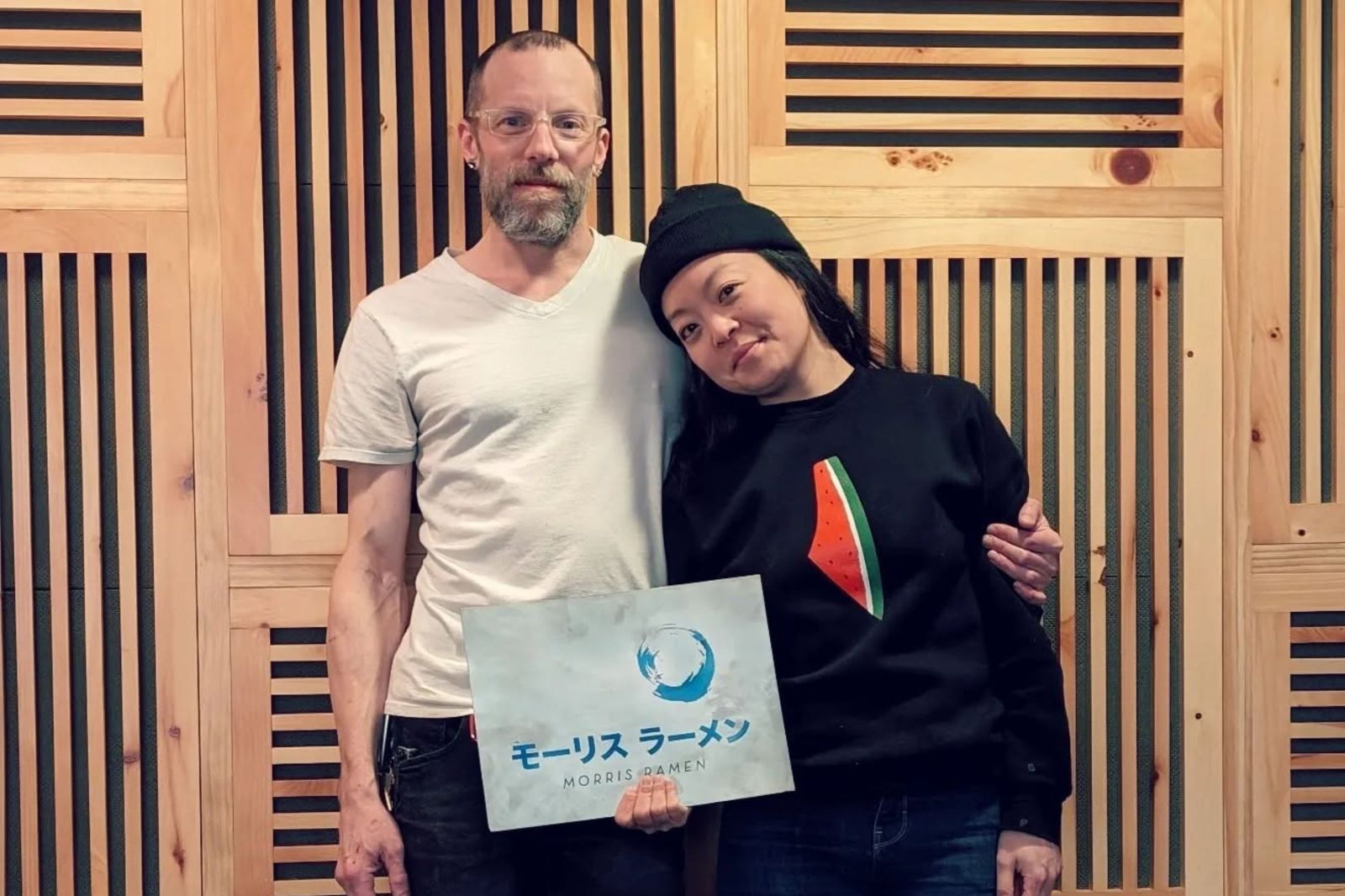
Francesca Hong’s political career traces its origins back to a ramen restaurant she co-founded in downtown Madison. In December 2016, Hong and her then-husband, chef Matt Morris, along with restaurateur Shinji Muramoto, opened Morris Ramen. This establishment quickly became a staple in Madison’s culinary scene. The couple managed the business until its closure in February 2024, balancing their roles as partners in both their family and their profession.
While Hong and Morris are no longer married, their shared journey in life and business played a crucial role in shaping Hong’s public persona, which ultimately led her into the political arena. As of Tuesday, she is entering the Democratic primary for governor as a leading candidate.
Who Is Matt Morris, Francesca Hong’s Ex-Husband?
Morris is a figure well-versed in Madison’s Japanese dining culture, having worked extensively with Muramoto at Restaurant Muramoto. He dedicated around a decade to sushi-making. His culinary journey included time in Japan, refining the ramen recipes that would later define Morris Ramen, a project he and his father physically built at 106 King Street, in a space previously occupied by the sushi restaurant RED.
Both Morris and Hong share a background rooted in Madison. They both were raised as the children of educators and neither completed college. These experiences contributed to their bond and their eventual partnership in the restaurant industry and beyond.
Francesca Hong and Matt Morris’ Marriage
Their relationship began within Madison’s restaurant scene, initially spurred by their roles working with Muramoto. They married in 2012, according to Hong’s interview with Meal Magazine in 2025. Hong had achieved the position of executive chef at the American bistro 43 North when she was 23 but briefly left the industry before returning in 2015. She and Morris started a family with the birth of their son in 2016, shortly after Hong’s last shift at Muramoto.
During the early days of Morris Ramen, Hong and Morris dedicated themselves to the restaurant, working extensive hours until its operations could be maintained with a more regular schedule. They viewed their staff as a second family. The demands of managing both their business and their personal lives eventually led to their divorce, though they continue to function as a strong professional team.
“We did really well our first couple years,” Hong noted, reflecting on the community support their restaurant received and the intimately personal dedication they afforded it, describing the business as a true ‘mom-and-pop’ venture.
Why Did Morris Ramen Close?
The beginnings of Hong’s political narrative intertwine with the experiences at Morris Ramen. The establishment temporarily closed its dining room in March 2020 during Wisconsin’s stay-at-home mandate. Surviving the pandemic ignited within Hong a newfound advocacy for restaurant workers’ rights, encompassing eviction protection and rent assistance.
This period prompted Hong to contemplate public service, culminating in her election to the Wisconsin State Assembly in 2020, marking her as the first Asian American in the legislature. Her political platform includes significant measures aimed at reforming labor standards within the restaurant industry to facilitate sustainable careers.
By February 2024, the restaurant shuttered due to economic pressures, including heightened operating costs and labor expenses, as Hong explained to The Wall Street Journal. Despite the closure, she continues to engage with hospitality by bartending occasionally.
The Electability Question
As the Democratic race intensifies, discourse around Hong’s candidacy has become more focused on electability post-primary. While some party leaders express concerns about her ability to compete against Republican opponent Tom Tiffany given her progressive stance, Hong asserts her commitment to pressing social issues, including public education and affordable living.
Former advisors and party officials have critiqued Hong, with some noting the potential political risks her candidacy could pose. Despite this, Hong maintains a strong message regarding pragmatic solutions to current societal and economic challenges.
Winning in a Purple State
Wisconsin’s recent electoral outcomes underscore its competitive political landscape. Despite the state narrowly voting for Trump in 2020, Hong remains confident that her approach and policies resonate with current voters. She has consistently led polls among Democratic primary voters, notably drawing significant support from younger demographics and those supportive of democratic socialism.
This evolving dynamic highlights Wisconsin’s pivotal role in the upcoming general election, set for November 3.