
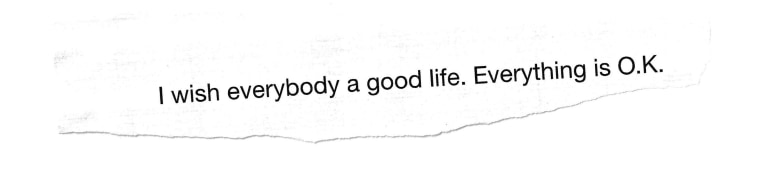
In Texas’ execution chamber, inmates are asked if they have any last statements before lethal injection. Over 50 years, hundreds have responded, sharing hopes for the afterlife, seeking forgiveness, or reflecting on their crimes. Some criticize the justice system or express acceptance, saying phrases like, ‘I’m ready’ or ‘Goodbye.’
A conviction of capital murder by a unanimous jury, often involving multiple victims or the killing of an officer, places individuals on death row. Those executed have included a variety of offenders, from serial killers to avowed racists. Last week, Texas executed its 600th individual, highlighting its prominent use of capital punishment, accounting for over one-third of all U.S. executions since the Supreme Court’s 1976 ruling on the death penalty.
Inmates’ final words are preserved by Texas officials. NBC News analyzed these statements, finding recurring themes over time. ‘I’m sorry’ has been uttered 234 times, while ‘forgive me’ appears in 117 statements. The calls for peace and remorse remain constant, as do expressions of love and religion.
“I am so sorry. I ask that you please, please don’t hate me and that you can find it in your heart to forgive me for the part that I played in what happened to her,” said Edward Busby Jr., executed for the 2004 suffocation death of a retired professor.
Witness Bryan Mark Rigg, a former student of the victim, found Busby’s acknowledgment necessary, though presumptuous regarding forgiveness. This sentiment is a part of a broader collection where humanity shines through even in dire circumstances. According to criminology professor Scott Vollum, these last words illustrate possible transformation and the reclaiming of humanity even after horrendous acts.
Meanwhile, some prisoners use their final moments to voice opposition to the death penalty. Tony Roach called it ‘inhumane,’ while Jeffery Doughtie pondered its morality after spending years on death row. Many, like Markham Duff-Smith, maintained innocence or pointed out flaws in their trials, yet some confessed their past sins during this time.
Wardens like Jim Willett, who supervised 89 executions, underscore the unpredictable and poignant nature of last statements, presenting one final moment of humanity. He recalled that even prisoners sometimes used humor or levity before their execution. These occasions stand out among the otherwise somber moments.
Condemned inmates form bonds through shared isolation and legal struggles, often lasting over a decade on death row. Their final words frequently acknowledge this camaraderie, mentioning fellow prisoners as ‘brothers on the row.’
Kris Houlé Cuellar of the Texas Coalition to Abolish the Death Penalty argues these statements underscore the broader impacts of executions, affecting not just the condemned but also victims’ families, legal teams, and prison staff. The ‘ripple effects’ of such actions reflect collective harm, she says, often revealed in the prisoners’ last words.
During George Hopper’s execution for the murder of a suburban Dallas nurse, he reflected on the consequences of his crime, expressing sorrow and addressing his parents and the victim’s family. Witnesses observed his final gasps as lethal drugs ended his life.