
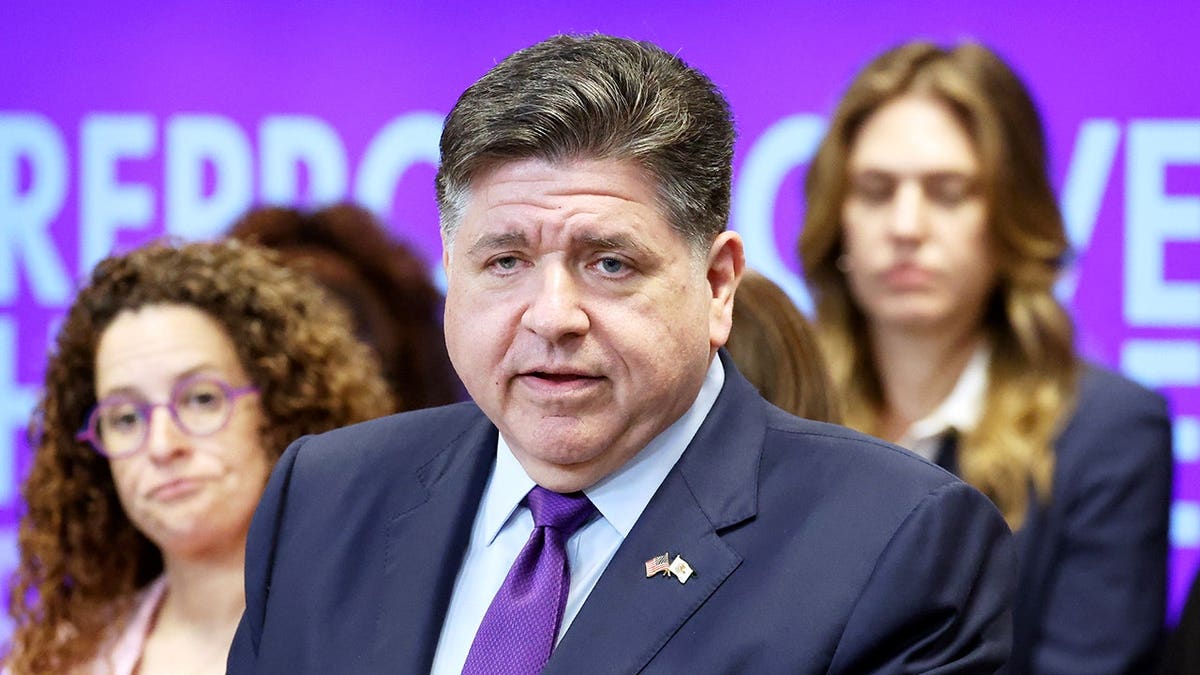
Illinois Governor JB Pritzker faced a setback when a federal judge invalidated key state laws that provided in-state tuition, financial aid, and scholarships to illegal immigrants. This decision aligns with the Trump administration’s broader immigration policies.
Judge’s Ruling and Its Implications
U.S. District Judge Stephen McGlynn ruled that Illinois’ in-state tuition policies, including the RISE Act and the Illinois DREAM Act, were “unconstitutional and invalid” for illegal immigrants. The ruling bars Illinois from enforcing these laws, but the order’s effect is delayed by 14 days to allow the state to appeal.
Justice Department’s Perspective
U.S. Attorney Steven Weinhoeft supported the ruling, stating that Illinois violated federal law by favoring illegal immigrants with taxpayer-funded benefits over U.S. citizens. This move is part of a series of legal efforts to dismantle state laws that extend higher education benefits to illegal immigrants.
Similar Cases and Ongoing Litigation
Following this decision, a similar lawsuit was filed against Colorado by the Justice Department. Previous lawsuits have targeted Texas, Kentucky, Oklahoma, Nebraska, and others, with settlements reached in some states. Cases remain active in Minnesota, Virginia, California, and several other states.
Opposition and Reactions
Rep. Mary Miller praised the decision, seeing it as a benefit for U.S. citizens. Meanwhile, the Justice Department continues to pursue similar legal actions across various states to prevent preferential treatment for illegal immigrants.
In response, Colorado governor Jared Polis defended his state’s policies, emphasizing efforts to expand educational access and job opportunities for students. He criticized federal interference in state-level decisions regarding in-state tuition.
Fox News Digital sought comments from Governor Pritzker’s office following the ruling.