
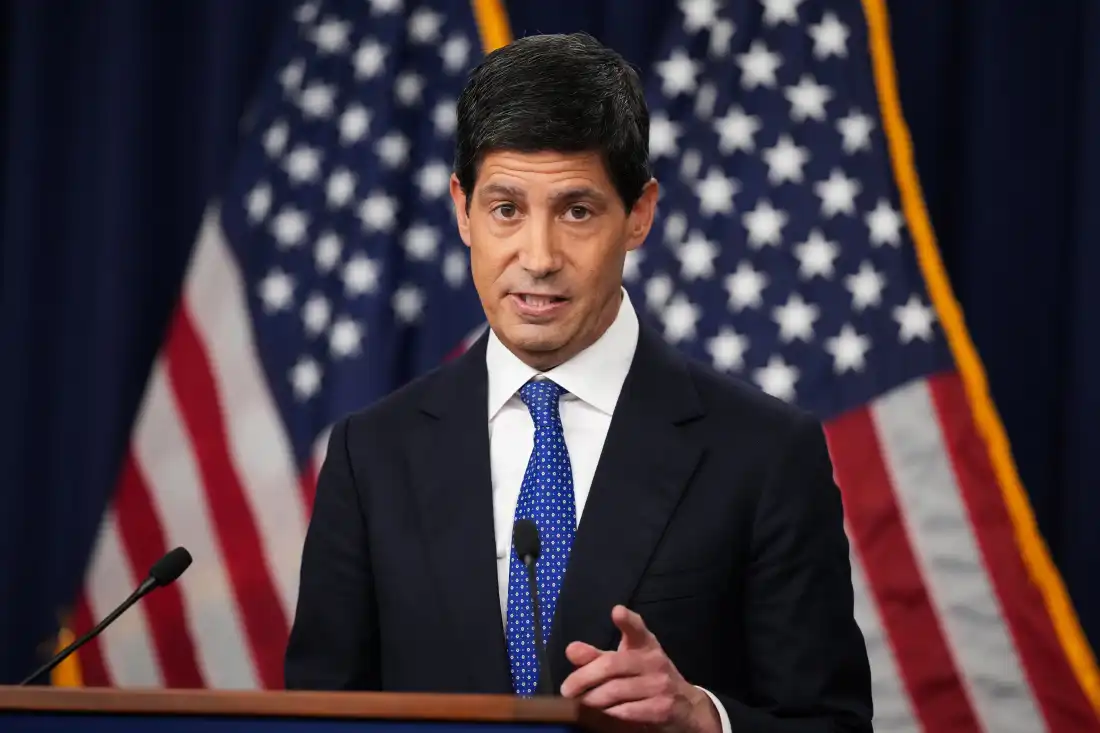
Federal Reserve Holds Rates Steady
Federal Reserve Chairman Kevin Warsh and colleagues decided to keep the benchmark interest rate unchanged on Wednesday. This decision came after a rate increase in September intended to combat ongoing inflation issues.
Inflation Challenges
The Federal Reserve expressed commitment to achieving price stability despite the rising energy costs linked to geopolitical tensions. The rate-setting committee acknowledged the persistent elevation of inflation in their recent statement. September data showed a 3.7% increase in consumer prices year-on-year, indicating that inflation continues to climb.
Economist Dan North from Allianz Trade noted, “It’s ‘wrong way,” commenting on the upward trend of inflation.
Timing of Interest Rate Decisions
With the midterm elections imminent, the Federal Reserve exercised caution in their decision-making. “It would be suspicious if there were a hike before the midterm,” North said. Looking ahead, experts anticipate a rate hike in December.
Fed governors Lisa Cook and Beth Hammack advocated for a quarter percentage point rate increase during this meeting, but the majority opted to maintain the status quo.
Impact of Current Rates
Currently, the Federal Reserve’s benchmark rate stands between 3.75% to 4%. This rate impacts short-term lending costs like credit cards. Although mortgage rates, influenced by broader market factors, reached a three-year high of 7.4% recently, they have eased slightly. However, high home loan rates continue to weigh down the housing market.
Economic Dynamics Outside Interest Sensitivity
Certain sectors show resilience against rising interest rates. Substantial investment in artificial intelligence remains strong, with companies pushing for increased production of A.I. data centers, contributing to heightened costs of construction materials and electronics.
Consumer spending also remains vigorous, driven by wealthier consumers benefiting from stock market gains. Conversely, families with lower incomes face challenges as average wages have risen only 3% over the past year, not keeping pace with inflation.
Mark Zandi, chief economist at Moody’s Analytics, observed, “Lower and middle-income Americans are having a real struggle.” The decline in purchasing power explains why many people feel uneasy about the current economic situation.