
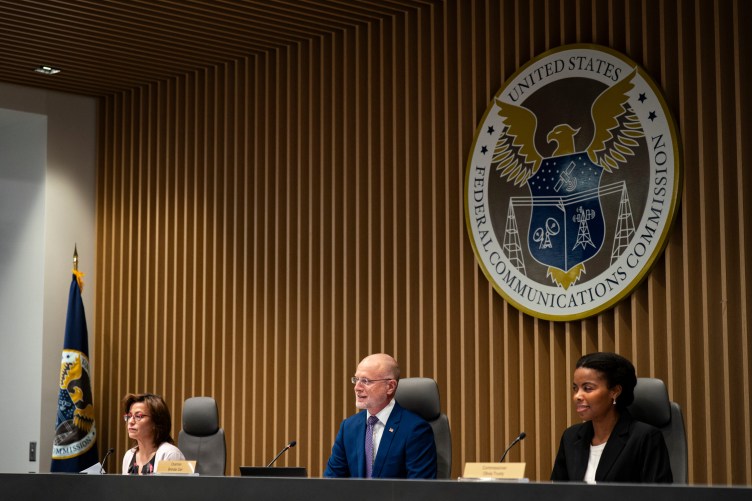
FCC commissioners’ acceptance of luxury gifts has come under scrutiny, sparking concerns about conflicts of interest. Both Olivia Trusty and Brendan Carr, significant figures in the Federal Communications Commission’s (FCC) regulatory landscape, received expensive tickets from Paramount, the parent company of CBS.
High-Value Gifts and Potential Conflicts
Trusty received tickets valued over $12,000 for a gala after voting to approve an important merger involving Paramount. Carr, the FCC Chair, accepted tickets worth at least $63,000. These actions have drawn criticism from ethics experts.
Impact on Regulatory Impartiality
Experts argue these gifts compromise the FCC’s impartiality. Walter Shaub, former head of the Office of Government Ethics, emphasized that top regulators should not accept gifts from the companies they oversee. The integrity of the agency’s decisions might be questioned due to these perceived conflicts.
Legal and Ethical Implications
Federal rules prohibit accepting gifts from entities regulated by the FCC. Although Carr and Trusty have defended their actions, experts insist they should abstain from mergers involving Paramount. Virginia Canter, former White House ethics lawyer, finds the situation shocking and disturbing.
Paramount’s Historic Merger
Paramount’s $110 billion merger with Warner Bros. Discovery stands as a significant event in the entertainment industry. However, concerns about job losses and industry diversity have arisen. Regulatory bodies are examining the merger’s potential impacts globally.
Potential Influence of Gifts on FCC Decisions
The ethics of attending the Kennedy Center gala, hosted by Paramount, are questioned. Critics note that if attending commissioners influenced the merger, public trust might erode. Former Office of Government Ethics head, Shaub, called the ongoing practice problematic.
The Broader View on Government Gifts
Historically, FCC commissioners accepted over $260,000 worth of tickets since 2016, primarily from CBS and Paramount. Only Nathan Simington, an FCC commissioner, declined the gifts. Ethical guidelines suggest these practices could unduly influence official duties.
Official Responses and Broader Regulatory Concerns
Despite justifying the attendance based on the ‘widely attended gathering’ exemption, critics argue this doesn’t apply to such exclusive events. This issue raises questions about how public officials should navigate ethical responsibilities.
The situation underscores a significant concern: maintaining ethical standards in government decision-making processes. A potential Justice Department investigation into the reported ethics violations of FCC members’ attendance at exclusive events supported by regulated entities adds to the pressure on maintaining ethical integrity.