
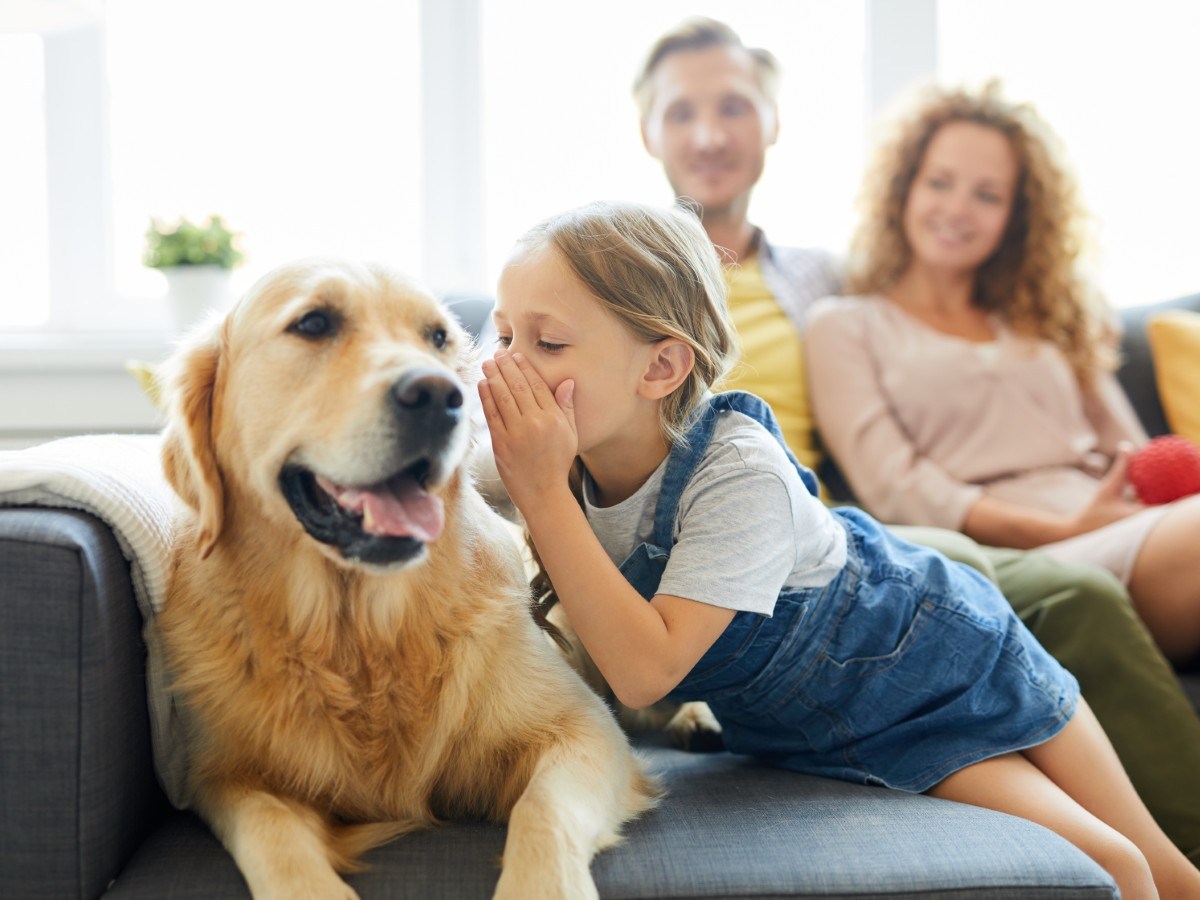
Several studies suggest pets impact human health positively. Researchers at the University of Arizona explore another aspect—how owners speak to their pets and its effect on well-being. They developed the AURAL-Pet system to analyze speech between pet owners and their pets, aiming to enhance understanding of these interactions. The study was published in Frontiers in Psychiatry in August.
Understanding AURAL-Pet
Lead author Dara Jonkoski, a Ph.D. student in the Department of Psychology, indicated that understanding the variety in human-pet interactions could help identify which styles are linked to better well-being outcomes for both owners and pets. Findings could guide pet owners in interacting with their pets to improve well-being.
Research Findings
The team tested the AURAL-Pet system on 5,072 audio recordings, collected using an electronically activated recorder known as ‘EAR.’ This involved conversations from 240 people. Results showed that this coding method could be consistently applied in future human-pet interaction studies.
Jonkoski explained that AURAL-Pet offers a measurable understanding of how people relate to pets, capturing the frequency and manner of these interactions by listening to them. Common themes in recordings included owners narrating their thoughts, describing the animal’s behavior, or discussing unrelated topics like weather.
Megan Mueller, a professor at Tufts University, commended the method as an innovative tool for understanding pet-owner relationships. She noted that analyzing daily interactions offers insights into how people perceive and benefit from their relationships with pets.
Implications for Human-Pet Interactions
The AURAL-Pet system uses 30 variables to represent various human-pet interaction behaviors, including walking a pet, using ‘baby-talk,’ or speaking to pets as confidants. It doesn’t facilitate conversations with pets but enables quantifying existing interactions.
AURAL-Pet is now applied to the C.A.R.E. study, collecting mental health and well-being data from adults over 60. This system may help understand how pet conversations impact elderly well-being. Jonkoski noted the potential of answering questions on whether positive pet interactions correlate with improved mental health and well-being.
Reference: Jonkoski, D. S., et al. (2026) Cross-species conversations: the development of the AURAL-Pet coding system to capture how people talk to pets in daily life. Frontiers in Psychiatry.