
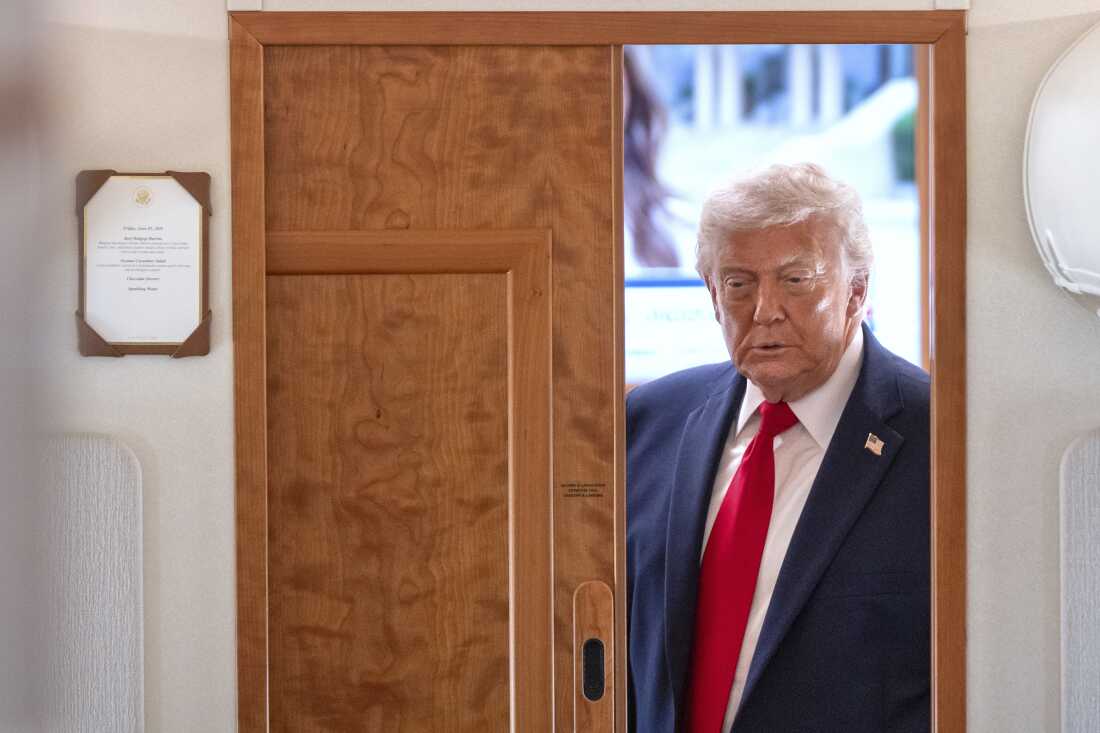
Air Force One Journey:
President Donald Trump flew from Joint Base Andrews in Maryland to Eau Claire, Wisconsin, aboard Air Force One on June 5, 2026. During the flight, significant military and diplomatic activities took place concerning Iran.
Military Confrontation:
In a significant escalation, the U.S. military intercepted Iranian ballistic missiles and drones aimed at the Strait of Hormuz and Gulf Arab allies. In response, U.S. forces targeted Iranian coastal radar sites. This exchange heightens tensions, undermining a fragile ceasefire with Tehran.
The U.S. Central Command reported that Iran launched seven ballistic missiles toward Kuwait and Bahrain. Six were intercepted by U.S. forces, while the seventh missed its target. Fortunately, no U.S. personnel were harmed. Earlier in the day, U.S. forces shot down four Iranian drones threatening maritime traffic in the Strait.
Regional Reactions:
Kuwait’s military confirmed the interception of missiles and drones targeting the nation. Bahrain activated air raid sirens, advising residents to seek safety and follow official directives.
Iran’s Revolutionary Guard claimed responsibility for targeting the Ali Al Salem airbase in Kuwait and the U.S. Navy’s 5th Fleet in Bahrain, according to Iran’s state-run news agency IRNA.
Economic and Political Impact:
A U.S. blockade on Iranian ports aims to counter Tehran’s control over essential corridors for global oil and gas shipments, causing energy prices to rise. This situation poses political challenges for President Trump ahead of midterm elections. U.S. military actions, including strikes on radar sites, seek to prevent further hostilities.
Trump’s Stance on Iran:
President Trump expressed optimism about resolving the conflict with Iran quickly, either through diplomatic agreements or military options. He addressed the situation at an event in Wisconsin, linking improved relations with Iran to potential decreases in fertilizer prices.
Despite the strained ceasefire, U.S. and Iranian negotiators tentatively agreed to extend the truce by 60 days to initiate new talks on Iran’s nuclear program. However, President Trump called for unspecified changes, while Iranian officials hesitated to endorse the deal.
Lebanese Conflict:
The Trump administration also facilitated a ceasefire agreement between Lebanon and Israel. However, attacks continue as Hezbollah, supported by Iran, rejected the truce. Israeli military actions in southern Lebanon resulted in casualties, heightening regional instability.
In addition, U.S. forces intervened by boarding a sanctioned Iranian oil tanker in the Indian Ocean to limit Iran’s profiteering from oil sales. New sanctions targeted Iran’s energy sector, impacting individuals, companies, and tankers.