
Emerging Threats Beyond the Battlefield
As Europe grapples with its most severe conflict since World War II, covert operations beyond Ukraine’s battle lines risk escalating tensions between NATO and Russia. Germany’s recent statement implicating Russia in a drone incident at Leipzig airport underscores concerns about allied preparedness. According to Franz-Stefan Gady, a senior fellow at the Center for a New American Security’s defense program, Russia’s activities align with a pattern of increasing disruption across Europe. These actions, said Gady, erode allied unity without triggering NATO’s Article 5 on mutual defense.
Escalation is always a political choice.
Gady argues that if NATO appears divided and slow to respond, as demonstrated by Germany’s handling of the Leipzig incident, Russia might provoke further. The absence of clear thresholds for collective defense and depleted military capabilities due to ongoing conflicts further weaken readiness.
Leipzig Incident and Russia’s Denial
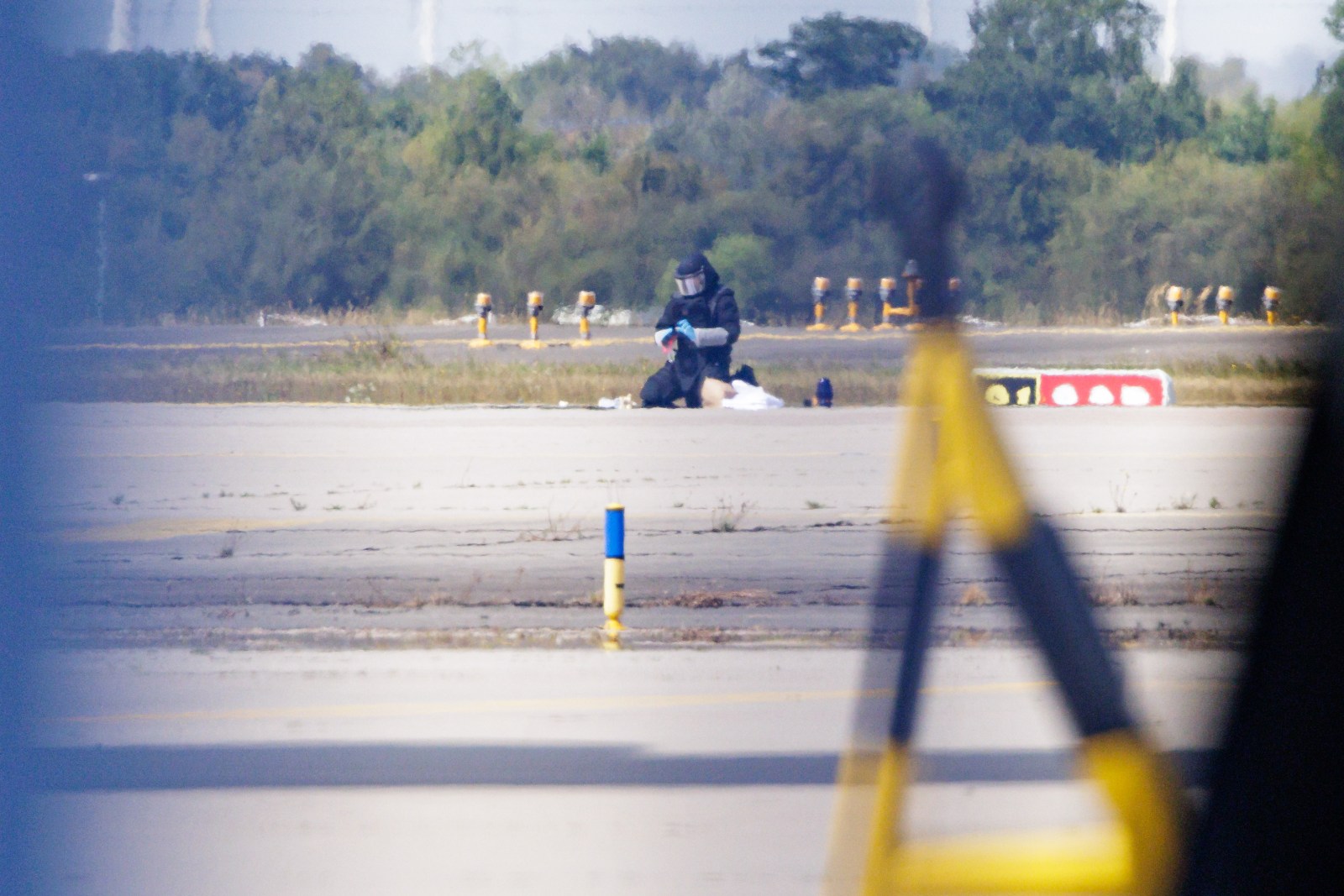
On August 4, a drone incident near Leipzig involved an explosive device and a Ukrainian military aircraft. German authorities attribute this to Russian hybrid warfare operations. Germany responded by summoning the Russian Ambassador and revoking permits for Russian institutions. Russia denied any connection, with Ambassador Sergey Nechaev demanding evidence before accepting such accusations.
Drone incidents in multiple NATO nations have drawn suspicion towards Russia. At the same time, NATO’s military exercises near Russian borders have heightened regional tensions. Dmitry Trenin from Moscow’s Higher School of Economics warns of rising risks of direct confrontation between NATO and Russia, with potential escalations into a nuclear crisis.
Interconnected Conflicts
Russian President Vladimir Putin has consistently warned the West against aiding Ukraine since the war began in February 2022. Despite this, NATO countries have provided significant support to Ukraine, including financial, military, and humanitarian aid.
Conflicts in Europe and the Middle East intersect. Russian-linked drones have been involved in European incidents, and Iran has benefited from Russian intelligence. An attack on an Iranian vessel by Ukraine highlights how these conflicts overlap.
Strains also affect U.S.-Europe relations. Reduced munitions stocks in the U.S. have delayed aid to European allies, amid criticisms of Europe’s response to Iran and the Axis of Resistance. Recent diplomatic visits fuel speculation about potential escalations, but U.S. officials assure that communication with Russia continues.
The Risk of Wider War
The risk of unintended war looms as aggressive Russian operations persist. Mark Galeotti from Mayak Intelligence predicts Europe’s response would likely involve cyber retaliation or enhanced support to Ukraine, rather than direct military action.
Galeotti suggests neither Europe nor Russia is keen on outright war. Europe’s lack of means and desire for conflict contrasts with Russia’s potential difficulties in mounting prolonged military campaigns against NATO forces.
For now, both Russia and the West prefer to keep direct conflict in the shadows.