
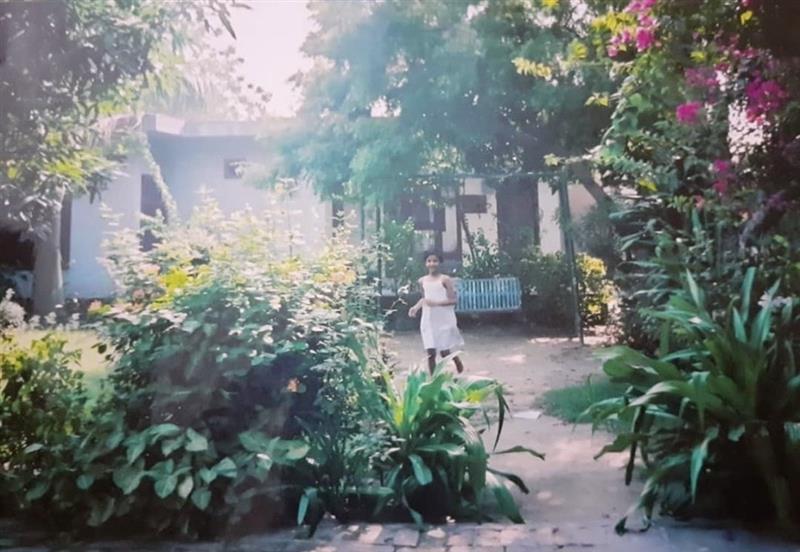
At 2 p.m. on a serene afternoon, a 10-year-old’s world is full of simple pleasures. Homework is half done, and a bowl of pomegranate awaits. A soft drink called Rasna offers refreshment. These moments felt timeless, though lacking a label like ‘whimsy’ back then.
Now, at 29, life looks different. Work demands time in front of a screen. Meals come swiftly with a few clicks. Conversation happens without leaving a room. Algorithms suggest entertainment before any real thought occurs. Yet, whimsy has found its place. People now infuse daily life with it by crafting, engaging in pottery, exploring hobbies, or decorating belongings.
Whimsy defies a strict definition. Dictionaries describe it as ‘fanciful’ or ‘playful.’ Dr. Connie McReynolds, a psychologist, observes that adulthood often prioritizes purpose over play. Whimsy, she notes, grants permission to embrace curiosity and spontaneity.
Childhood lacks these words, with time free from the notion of utility. Dr. Matthew Leahy, a clinical psychologist, highlights that adulthood’s stresses emphasize responsibility. Yet, playfulness and problem-solving coexist. Leahy suggests spontaneous actions or leisure activities as escapes from daily concerns, offering the brain much-needed breaks.
In youth, time was open for invention. Friends gathered for games, and bicycles or swings transformed spaces into playgrounds. Interests shifted swiftly, yet time always sufficed. Adulthood, however, often turns hobbies into items for documentation or evaluation, as if ticking off a list.
Catherine Thomas from Art Acumen sees a parallel in professional settings. Organizations want curiosity and creativity, yet design cultures focused on measurable results. These differing impulses conflict. Whimsy provides an alternative. It allows for experimentation and unexpected experiences for pure enjoyment.
Animated films like Inside Out 2 reflect real-life pressures. In them, characters, anxious about outcomes, miss present joys, much like Huxley’s metaphor of the brain filtering experiences. Katherine Hosie, a leadership coach, agrees that stress narrows focus, sidelining anything without immediate purpose.
Whimsy’s value is genuine. It broadens perspectives and uncovers new possibilities, according to Hosie. The digital realm requires constant attention, leading to feelings of stagnation. Seeking recalibration, some turn to reading, painting, or other activities without considering skill levels, emphasizing the act over the result.
The desire for meaningful experiences and potential usage remains pervasive. Yet whimsy does not always need scheduling. Simple joys like dancing, singing, or calling friends hold significance. As McReynolds puts it, not everything must be ‘useful’ to hold value.
As I type, a bowl of pomegranate accompanies me. I savor each seed, letting juices flow. Such moments remind us that serenity and whimsy can fill an afternoon.