
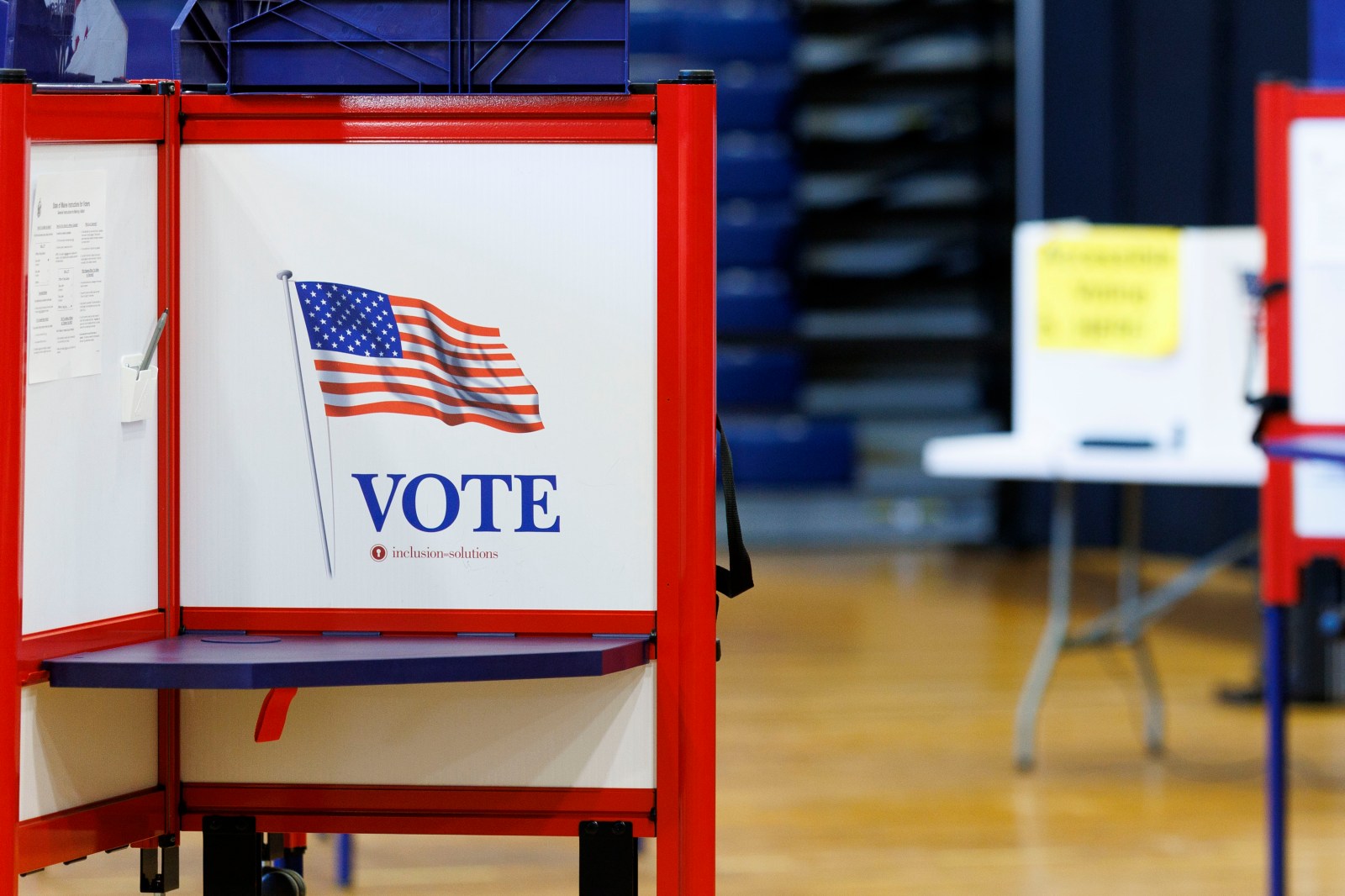
2026 Midterm Elections Under Scrutiny
As Americans prepare to vote in the 2026 midterms, the focus on election security is significant. Threats include voter intimidation, cybercrime, AI-generated misinformation, and challenges to public confidence. These issues extend beyond which party controls Congress, affecting the credibility of close or disputed results.
For reliable election outcomes, ballots must be traceable, physical records preserved, vote totals verified, and irregularities differentiated from actual fraud. Voters, poll workers, and state and local election officials rely on a patchwork of safeguards that experts say make widespread manipulation difficult, despite uneven resources, cyber threats, and false information vulnerabilities.
The American Election System’s Decentralized Strength
All 435 House seats and 35 Senate seats are contested, along with gubernatorial, state, and local races. These elections are administered across thousands of jurisdictions, resulting in considerable procedural differences.
The decentralized nature of America’s election system is a strength. Elections are managed by thousands of state and local officials using multiple layers of checks, including paper records, bipartisan procedures, ballot tracking, post-election audits, and judicial review, making a single point of failure challenging to exploit.
While local administration promotes innovation, less-resourced communities may struggle with expertise and level of service.
Ballot Tracking and Mail Voting Protections
Mail ballots receive particular scrutiny since voters complete them outside polling places. Jurisdictions employ methods to verify eligibility and protect ballots pre-counting.
Protections include voter declarations, witness statements, identification, password systems, multiple envelopes, signature verification, ballot tracking, and observer access.
The integrity measures in the U.S. rank among the most rigorous worldwide.
Ballot tracking informs voters about a ballot’s election process progress, while custody rules and verification procedures ensure officials handle ballots properly. However, criminals may impersonate election communications at expected times.
Election Observation and Ballot Chain of Custody
Election observation enhances accountability, with security depending on procedural scrutiny. Observer access to ballot centers and transparent procedures bolster public confidence.
Observers don’t determine ballot validity or investigate crimes but provide transparency in handling and counting. Chain of custody is crucial when ballots are under official control, requiring careful monitoring.
Voter Intimidation and Threats to Election Workers
Federal law prohibits intimidation, threats, or coercion interfering with voting rights. Election security must be neutral, proportionate, and politically independent.
The exposure of personal data for those involved in elections should be minimized. Large jurisdictions tend to be well-prepared for disruptions, although smaller jurisdictions face resource limitations.
Cybersecurity Threats and Voting Systems
Cyber threats often target voters, poll workers, and election staff rather than voting systems. Researchers have identified distinct problems impacting personal data rather than vote changes.
New domains containing election-related words have been detected, but this doesn’t imply vote tampering.
AI Misinformation Risks
AI creates misinformation rapidly, potentially reaching voters before officials rebut false claims. Verification of election information against official channels is vital.
False claims about polling hours, procedures, or results can confuse voters, necessitating cautious information consumption.
Risks in Internet Voting and Ballot-Mark Devices
Internet voting poses risks, although it is restricted mainly to military and overseas voters. Security concerns exist for internet systems, including potential nation-state interference.
Ballot marking devices also present concerns but overall election system risks are lower than before.
Disputed Election Results: What Voters Should Watch
Initial results aren’t necessarily final due to processing differences across jurisdictions. In challenging races, evidence should be prioritized over quick-spreading claims.
Voters should verify voting details through official election authorities, question social media claims, and seek evidence when allegations arise. Transparent, verifiable procedures are essential safeguards for public trust.