
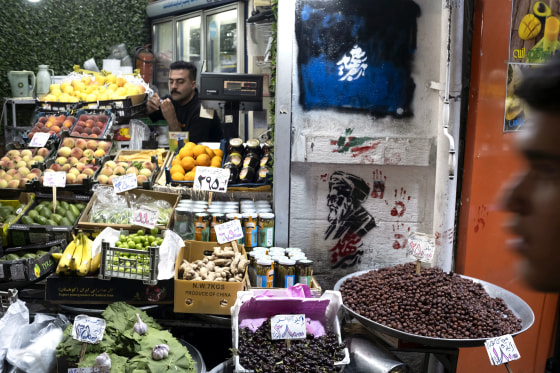
TEHRAN, Iran — The onset of conflict has significantly strained the daily lives of many Iranians. Residents report that everyday expenses have doubled, a reality vividly felt across cities like Tehran.
In the heart of the city, a mural shows Ayatollah Ali Khamenei, the late supreme leader, on a wall of a local fruit shop, reflecting the turmoil and societal changes.
Take Roya, a 34-year-old former data analyst manager at a Tehran brokerage firm. Before the conflict, she was thriving professionally. However, with the start of the U.S. and Israeli attacks on Iran in February, her circumstances changed dramatically. She, like many others, lost her job, finding it increasingly difficult to meet basic needs.
This war-induced economic disruption has not only impacted those employed in large cities but also millions of other citizens across the country, forcing them into financial uncertainty and hardship.
The challenges facing Iranians are emblematic of the severe economic consequences of geopolitical conflicts, affecting everyday lives and the nation’s economy as a whole.