
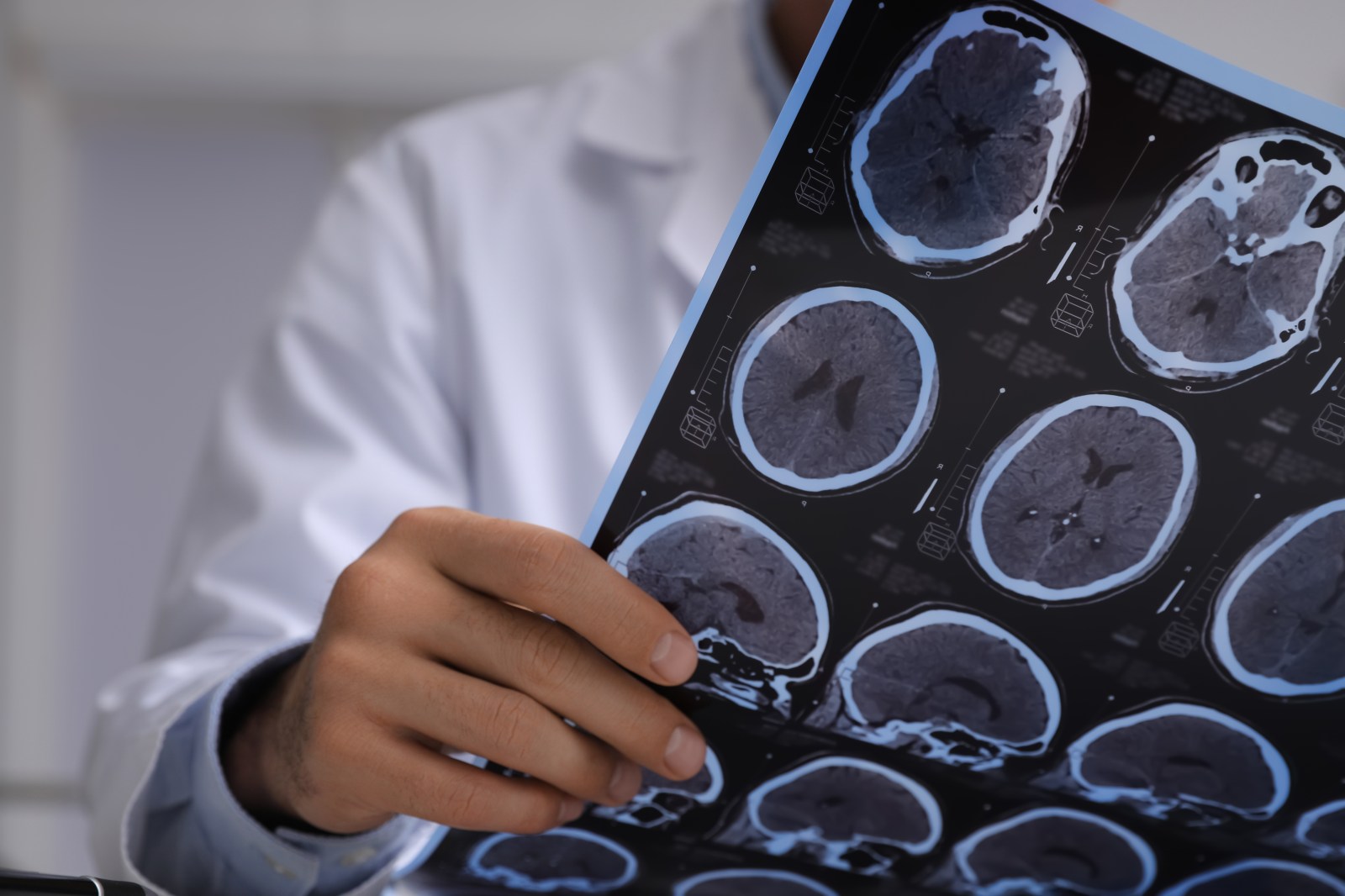
Recent research indicates that changes in the brain associated with Alzheimer’s disease might begin more than seven years before current imaging methods can detect them. Traditionally, the appearance of amyloid plaques on PET scans has been seen as the initial detectable sign of Alzheimer’s. However, new findings suggest structural changes visible on MRI scans may appear long before these plaques, implying an earlier onset of the disease process.
Study Overview
The study monitored cognitively healthy older adults without memory or thinking problems, using repeated MRI brain scans over nearly 20 years. During this period, some participants developed amyloid plaques, while others did not. Researchers pinpointed when plaques first appeared on PET scans and analyzed MRI scans from up to a decade earlier. They discovered that individuals who later developed plaques showed measurable structural brain changes several years prior.
Findings and Implications
The findings reveal that these changes occur at least seven years before amyloid plaques become visible on scans, marking the earliest brain-imaging signal of Alzheimer’s identified so far. Published in Nature Neuroscience, the study challenges current methods of defining the disease’s onset, suggesting they may overlook significant portions of the disease process.
The researchers propose two possible explanations for these results. First, biological processes linked to Alzheimer’s could already be active and affecting the brain before detectable plaque formation, potentially contributing to or occurring alongside early plaque-related changes. Second, different biological mechanisms might trigger brain changes before amyloid buildup begins. This insight could broaden the search for new treatment targets beyond amyloid plaques.
Expert Insights
Dr. Lucy Hooper, a private GP and co-founder of Coyne Medical, believes the findings may redefine intervention timing. She highlights that detecting earlier Alzheimer’s development means a longer window to prevent or delay the disease. Existing research indicates changes in cerebrospinal fluid and blood can be observed decades before brain scans show amyloid buildup, supporting that Alzheimer’s begins long before conventional imaging techniques can identify it.
Hooper explains that various biological processes could cause structural brain changes before detectable plaques. Soluble amyloid might damage delicate brain connections before appearing as Alzheimer’s-related plaques. She also notes that inflammation, immune cell changes, blood vessel alterations, and disruptions to the brain’s glymphatic system might occur independent of plaque accumulation.
Impact on Diagnosis and Treatment
The findings could influence future research on diagnosis and treatment improvements. Understanding the underlying biology could enhance Alzheimer’s diagnosis and prevention efforts. Hooper notes that blood testing for plasma p-tau217 is already used clinically to accelerate diagnoses, though it’s not infallible due to potential false results. Identifying better biological markers could help develop therapies aimed at reducing or preventing Alzheimer’s.
While most treatments currently target amyloid, researchers are increasingly exploring alternatives focusing on inflammation, metabolic changes, and the glymphatic system.
Reference: James M. Roe, et al. Cortical thickness changes precede high levels of amyloid by at least 7 years. Nature Neuroscience, 2026; DOI: 10.1038/s41593-026-02363-4
Contact Newsweek editors on this story: Kara Dolman and Gray R. Thomas