
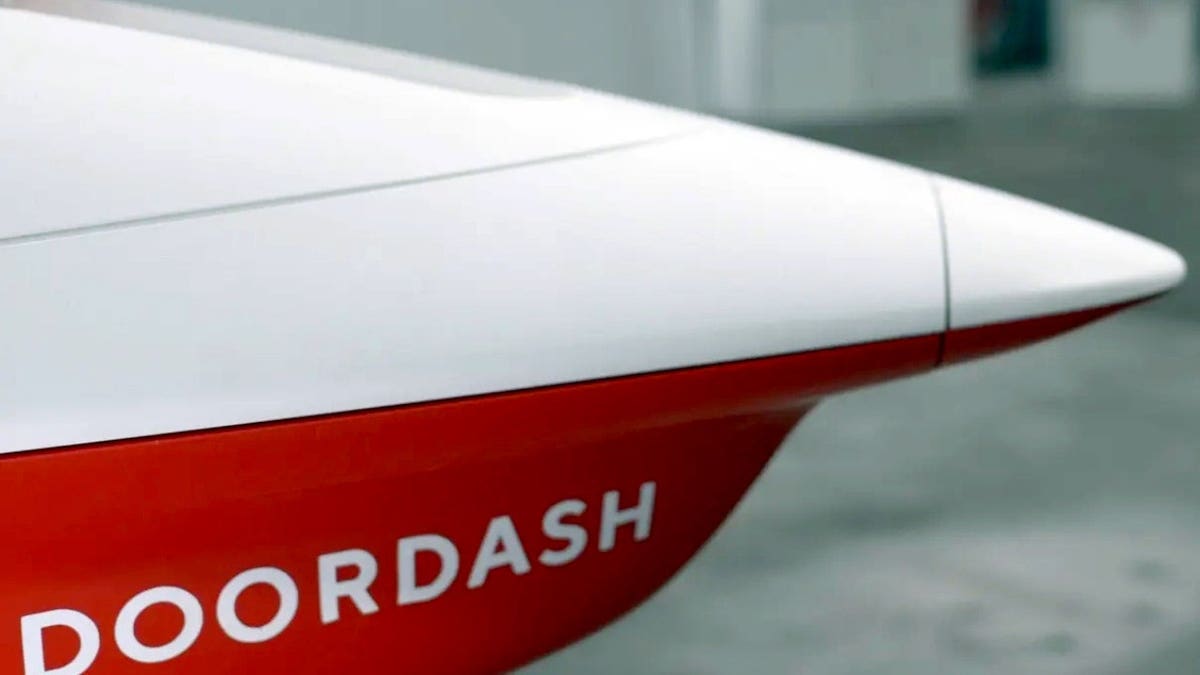
DoorDash has received FAA Part 135 air carrier certification, marking a significant milestone in its efforts to launch DoorDash Air, an in-house drone delivery service. With federal authorization, the company can now operate a commercial drone delivery service in the U.S.
This development doesn’t imply that drones will start delivering orders immediately. DoorDash still needs additional operational approvals and hasn’t disclosed the first markets or launch schedule for its aircraft.
FAA Certification Details
DoorDash became the eighth drone operator to earn the federal air carrier certificate on July 29, 2026. The FAA’s Part 135 certification allows companies to carry property for payment. To achieve certification, DoorDash went through a five-phase FAA review process that assessed its aircraft, maintenance procedures, and safety program.
Despite earning the certificate, DoorDash requires airspace authorization and possibly exemptions for flights beyond the pilot’s direct line of sight. State laws and local land-use rules will also influence the delivery hubs’ operations.
Drone Delivery’s Appeal
DoorDash aims to utilize drones for more efficient delivery of food, medicine, and essentials. According to the company, over 20% of its 2025 orders required delivery between three and five miles. These orders generally took longer than shorter trips.
A drone delivery system can help streamline logistics by handling mid-range orders, allowing drivers to focus on shorter deliveries close to eateries. This separation enhances speed, enabling customers to receive orders faster.
In 2025, DoorDash drone deliveries had an average duration of 25 minutes. Areas partaking in the partner drone pilots witnessed a 30% rise in order volume, maintaining this increase even nine weeks post-pilot.
Building In-House Drones
DoorDash intends to manufacture its drones domestically, utilizing predominantly American components. Though the drone’s range, payload limit, and design are yet to be revealed, the company plans to provide these specifics by fall.
The Road Ahead
DoorDash drones will complement human Dashers, who will continue handling most deliveries. Autonomous drones are better suited for small orders delivered to accessible locations. However, human Dashers are necessary for complex delivery scenarios, such as navigating apartment buildings or hauling large orders.
FAA certification allows DoorDash the foundation to operate the aerial delivery service but doesn’t guarantee unrestricted drone flights. Airspace authorization and local considerations, such as zoning and environmental impacts, could still limit drone deployment.
What This Means for Consumers
DoorDash’s drone delivery could expedite receiving small, vital orders. But service availability depends on consumer location and whether it falls within a designated delivery area. Additionally, details about extra fees or tipping for drone deliveries remain undisclosed.
Drone delivery embodies a significant stride toward expanded service, though comprehensive deployment is still forthcoming. Potential users must consider the cost and conditions when opting for this service.