
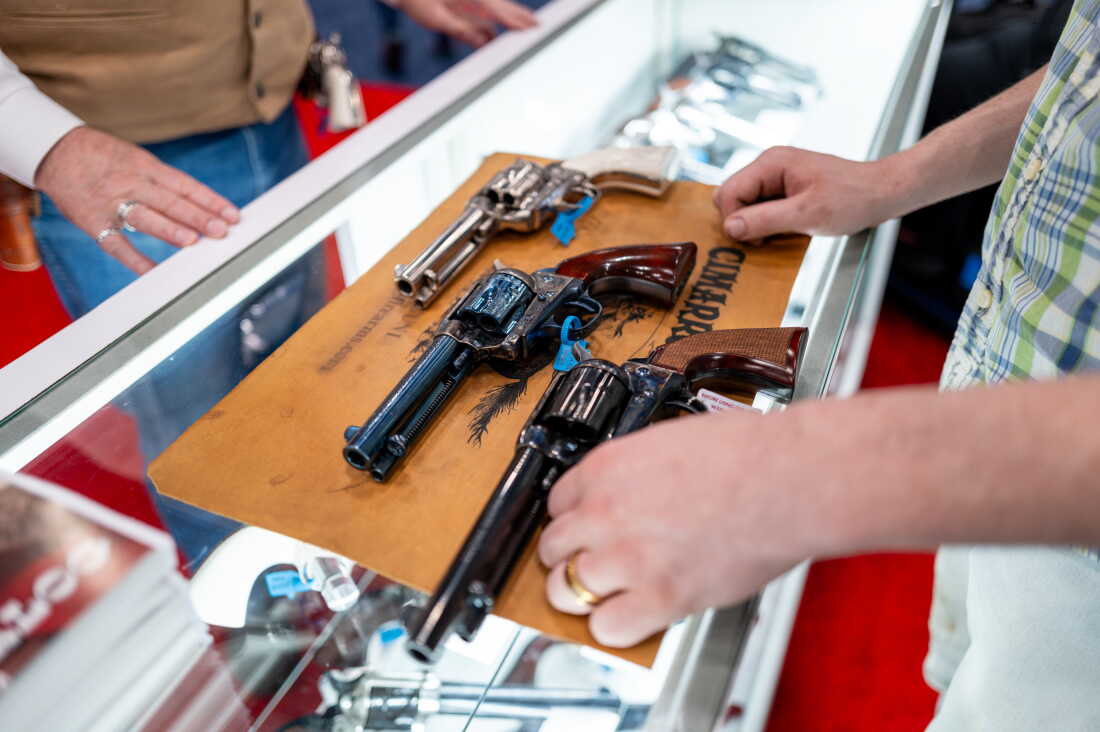
Revolvers displayed at the NRA conference in Houston on April 18 highlight the ongoing debate on gun rights. Legally, a felony conviction often results in losing various rights, including firearm ownership. Restoring this right usually requires a presidential pardon. However, the Justice Department (DOJ) is reactivating a path to regain gun ownership rights through its Office of the Pardon Attorney.
Background and Reactions
This initiative marks the first revival since a similar program by the Bureau of Alcohol, Tobacco, Firearms, and Explosives ended in the 1990s. The ATF program faced criticism after a report highlighted risks where individuals who regained gun rights committed violent crimes. Adam Kraut of the Second Amendment Foundation expresses enthusiasm for the opportunity nonviolent offenders now have.
Eligibility and Application Process
Violent offenders convicted of serious crimes like rape or kidnapping are excluded. So are those in prison or awaiting sentencing. Applicants must submit details including crime specifics, character references, fingerprints, and a $30 fee. The DOJ expects 330,000 annual applications, which staff will review.
The DOJ’s decision-making process aims to remain agile and adaptable rather than using a rigid methodology. Initial applications from invited candidates have begun, while broader public applications open on November 4 and January. Names of those regaining rights will be published in the Federal Register.
State Law Considerations
Federal restoration of gun rights might conflict with state laws. The DOJ advises applicants to consult state, territorial, or tribal authorities for compliance under local laws.
Safety Concerns and Perspectives
A 1992 report argued against such restoration due to the risk of reoffending by former felons who regained gun access.
The Violence Policy Center, opposing the program, cites the potential danger. However, clemency experts support the initiative, suggesting restored rights can aid individuals who have repaid their societal debt. Law professor Rachel Barkow notes a low recidivism rate among those previously pardoned.
Pardon Office Capacity
The previous ATF program strained agency resources. The DOJ acknowledges its Office of the Pardon Attorney is already overstretched due to increased clemency requests and reduced staff. Liz Oyer, a former U.S. pardon attorney, voices concerns about the office’s ability to manage the anticipated application volume.
Under President Biden, pending clemency cases have fluctuated, highlighting ongoing workload challenges. The DOJ has requested additional resources, including a $16.5 million budget increase, to support staffing and case processing demands.