
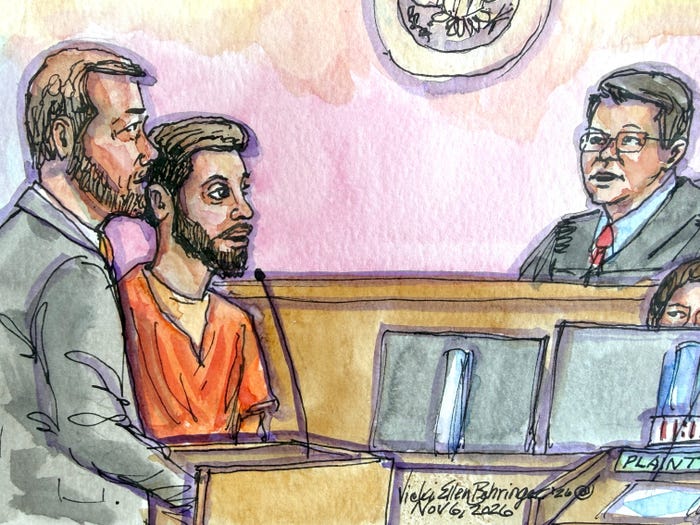
The lawyer for Abdulrahman Alfozan, a Saudi national accused of planting a listening device in OpenAI’s San Francisco office, is requesting his release from jail. According to David Rizk, Alfozan’s attorney, the Justice Department prosecutors have not presented any evidence to substantiate espionage charges.
Rizk stated in a court document that prosecutors acknowledged the absence of evidence for new charges when Alfozan was indicted. The indictment only included a charge under the Wiretap Act, which formed the basis of the original complaint. Alfozan was arrested in October on charges of intercepting oral communications at OpenAI, where he worked as an engineer.
A grand jury indicted Alfozan later in October, but the indictment did not include more severe charges such as espionage or theft of trade secrets. Rizk noted that no additional evidence emerged to warrant further charges, and he requested US District Judge Vince Chhabria to compel the Justice Department to provide information useful for seeking Alfozan’s release.
A representative from the US Attorney’s office in San Francisco has yet to comment on the request. Alfozan has entered a plea of not guilty. A judge ordered his continued detention due to a perceived flight risk, supported by the Saudi government’s offer to cover his bond and the fact his family had already traveled to Saudi Arabia.
Images in the complaint depict a USB device hidden behind a conference room TV, wrapped in toilet paper, with Alfozan photographed checking the device. Rizk emphasized that available discovery materials do not suggest an investigation into Alfozan’s potential links with the Saudi government.
Alfozan voluntarily agreed to unlock his cellphone, which had been seized by the Justice Department. Prosecutors initially lost access to the device due to a power outage at an FBI facility.
Aside from his client’s release, Rizk asked the judge to relax a previous restriction on Alfozan’s use of AI technology while preparing his defense. Rizk criticized the U.S. Attorney’s Office for interfering in the defense’s discovery processes.