
WNBA’s Ongoing Conversation
The WNBA’s recent discussions about defining “woman” within the league stem from various challenges. Sophie Cunningham, a star with the Indiana Fever, emphasized the need to protect women’s sports. Meanwhile, former NBA players Enes Kanter Freedom and Royce White have announced their intentions to join the 2027 WNBA Draft. Despite holding meetings, the league has not reached a consensus, attributing the lack of progress to external criticism.
Nate Tibbetts’ Perspective
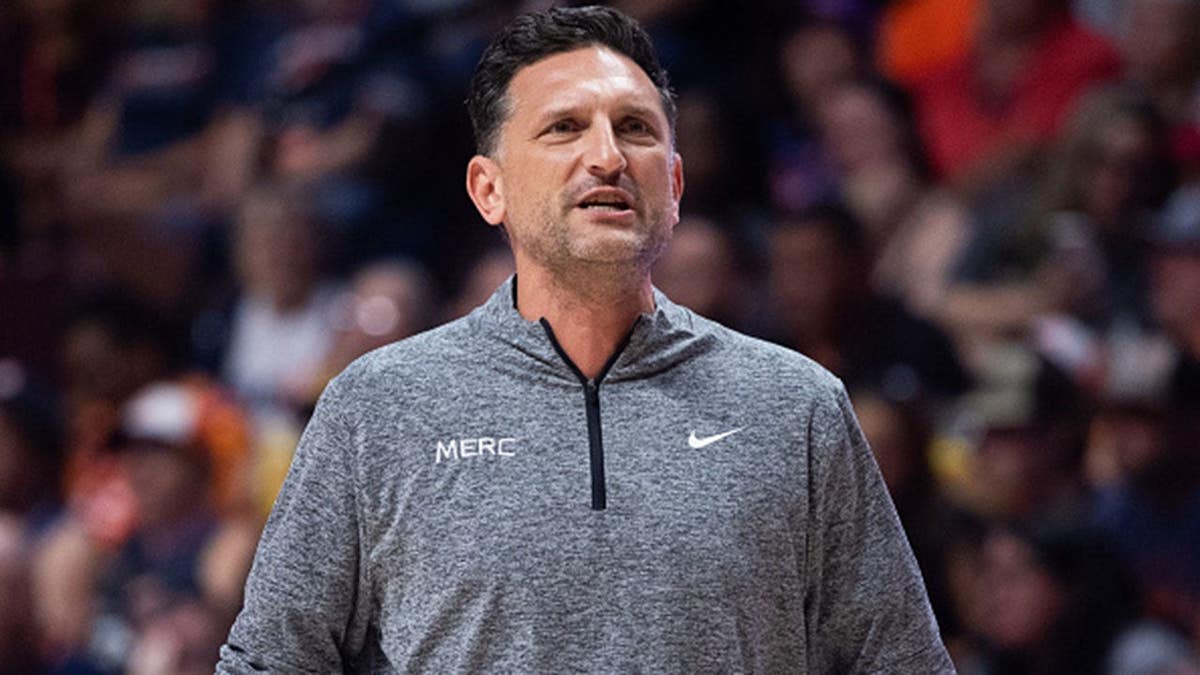
Phoenix Mercury’s head coach Nate Tibbetts addressed the media, expressing frustration over the recurring controversies. Tibbetts highlighted the league’s exceptional players and stories, lamenting the focus on divisive issues. He questioned whether coaches, players, or media could shift the narrative, pointing to outside influences as a source of division.
Challenges Faced by Stephanie White
Tibbetts turned the lens on Indiana Fever head coach Stephanie White, who has faced criticism for her passive approach following a contentious foul on Cunningham. White’s responses, often perceived as non-confrontational, have drawn ire. Her recent handling of a foul by DiJonai Carrington on Cunningham was labeled as ineffectual, with White attributing the act to competitive play without acknowledging the broader implications.
“It really pisses me off. It’s disappointing,” Tibbetts stated during a media session, reflecting on the ongoing narrative challenges within the league.
Impacts on Player Advocacy
Cunningham, who has spoken against the inclusion of transgender athletes in women’s sports, became a media target. White’s reluctance to support Cunningham openly has led to increased scrutiny. Critics argue that a head coach should be advocating for players amidst media hostility.
League’s Strategy and Brand Protection
The WNBA appears to favor maintaining its internal unity over tackling individual player issues publicly. While Tibbetts defends White and blames outside elements, there is a call for coaches to more actively support their players.
This situation underscores a broader tension within the WNBA, balancing political discourse with sports. Until coaches actively defend players, discussions like these may persist.